Parsley
Petroselinum crispum
Parsley is an herb whose leaves are used in cooking. Cooks use it raw, as a garnish, or to season dishes, and pair it with garlic, scallions, potatoes, rice, fish, chicken, lamb, and goose.
- Plant-based
- Gluten-free
- No listed allergens
About the plain ingredient, not packaged products; general information, not medical advice. Details
- Category
- Herbs & spices
- Part used
- Leaf
- Family
- Apiaceae
- Cooked most in
- Europe, Africa, The Americas
- Top country
- Austria
- Dishes
- 17 in the catalogue
- Energy
- 36 kcal per 100 g

Photo: Bi-frie ( talk ) · CC BY 3.0 · Wikimedia Commons

In the kitchen
How to use parsley
Nutrition
What 100 g of parsley holds
Protein 29%Fat 8%Carbohydrate 63%of the macronutrients by weight
| Energy | 36 kcal · 151 kJ |
|---|---|
| Protein | 3 g |
| Fat | 0.79 g |
| of which saturated | 0.13 g |
| Carbohydrate | 6.3 g |
| of which sugars | 0.85 g |
| Fibre | 3.3 g |
| Sodium | 56 mg |
| Cholesterol | 0 mg |
| Potassium | 554 mg |
|---|---|
| Calcium | 138 mg |
| Iron | 6.2 mg |
| Magnesium | 50 mg |
| Zinc | 1.1 mg |
| Vitamin C | 133 mg |
| Vitamin A (RAE) | 421 µg |
| Folate | 152 µg |
Dried
Protein 40%Fat 7%Carbohydrate 54%of the macronutrients by weight
| Energy | 271 kcal · 1,134 kJ |
|---|---|
| Protein | 31 g |
| Fat | 5.2 g |
| of which saturated | 1.4 g |
| Carbohydrate | 42 g |
| of which sugars | 7.3 g |
| Fibre | 33 g |
| Sodium | 391 mg |
| Potassium | 6,300 mg |
|---|---|
| Calcium | 176 mg |
| Iron | 54 mg |
| Magnesium | 372 mg |
| Zinc | 6.1 mg |
| Vitamin C | 149 mg |
| Vitamin A (RAE) | 97 µg |
| Folate | 194 µg |
Source: USDA FoodData Central (foods 170416, 170486, 170930), public domain. Minerals and vitamins are listed only where USDA measured a non-zero amount.
Around the world
Where parsley is cooked
Dishes by continent
On the table
Dishes made with parsley
Kaspressknödel
Austria
Zelekivka zlyvanka
Ukraine
Gonré
Burkina Faso
Zibdieh
Capoun
France
Çoban salad
Türkiye
Serviettenknödel
Austria, Czechia, Germany
Mussels marinière
Belgium, France
Leberknödel
Austria, Germany
Zanahorias aliñadas
Albóndigas de bacalao
Patatas aliñás
Tomate crevette
Dish lists come from Wikidata; a dish counts when its recorded ingredients include parsley.
Good to know
Diet and allergens: parsley in detail
- Allergens
- None of the 15 listed allergens foundChecked and not found: soy, eggs, fish, milk, lupin, wheat, celery, sesame, mustard, peanuts, molluscs, sulphites, tree nuts, crustaceans, gluten cereals.
- Animal origin
- No animal ingredients foundChecked and not found: egg, fish, meat, dairy, honey, insect, gelatin, poultry, bone char, shellfish, other animal, animal fining, animal rennet.
- Gluten
- None
- Alcohol
- None
- Caffeine
- None
- Pork
- None
Cooked together
Often cooked with parsley
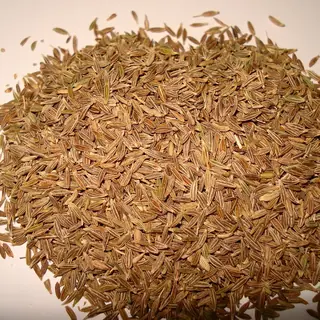
Cumin seed
2 shared dishes
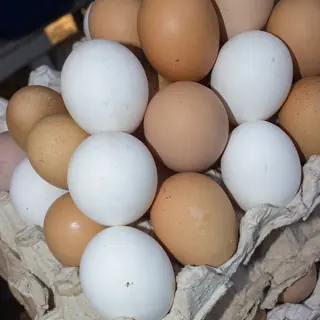
Egg
7 shared dishes
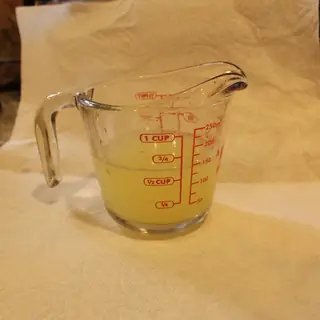
Lemon juice
2 shared dishes
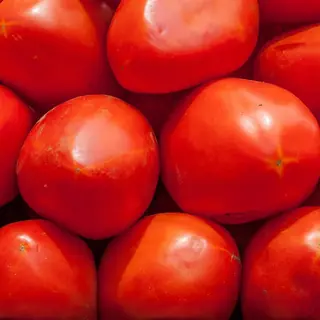
Tomato
4 shared dishes
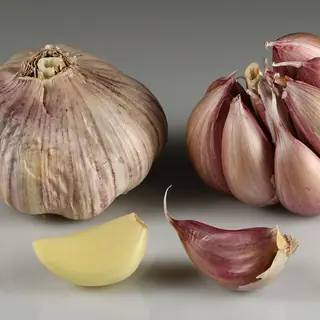
Garlic
8 shared dishes

Carrot
3 shared dishes
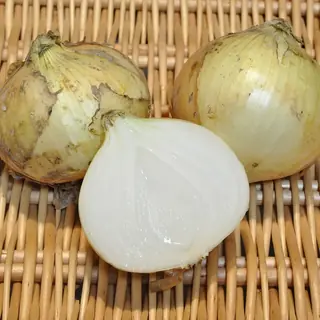
Onion
6 shared dishes
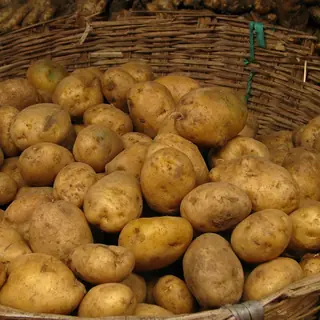
Potato
4 shared dishes
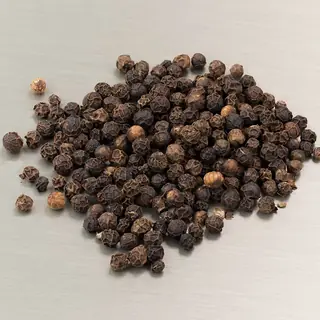
Black pepper
3 shared dishes

Bread
2 shared dishes
Photo credits for this page (10)
Cumin seed: Miansari66 · Public domain · Wikimedia Commons
Egg: Flixtey · CC BY-SA 4.0 · Wikimedia Commons
Lemon juice: Ovinus Real · CC BY-SA 4.0 · Wikimedia Commons
Garlic: Ivar Leidus · CC BY-SA 4.0 · Wikimedia Commons
Carrot: MOs810 · CC BY-SA 4.0 · Wikimedia Commons
Potato: McKay Savage from London, UK · CC BY 2.0 · Wikimedia Commons
Bread: Bake Across Europe · CC BY-SA 4.0 · Wikimedia Commons


Around the world
What parsley is called
Spanish
perejil · Petroselinum sativum
French
persil
Italian
prezzemolo · foglia di prezzemolo
Portuguese
salsa
German
Petersilie
Dutch
peterselie
Turkish
maydanoz
Russian
зелень петрушки · петрушка
Polish
pietruszka
Arabic
بقدونس · مقدونس
Hebrew
פטרוזיליה
Hindi
अजमोद
Show all 54 languages
Albanian
majdanoz
Aragonese
prexil
Armenian
մաղադանոս
Asturian
perexil
Azerbaijani
Cəfəri
Bangla
পার্সলি
Basque
perrexil
Belarusian (Taraskievica orthography)
бядрынец · пятрушка
Breton
perisilh
Bulgarian
магданоз
Catalan
julivert
Cebuano
perehil · peresil · persil
Chinese
香芹 · 洋香菜
Cornish
persil
Czech
listová petržel
Danish
persille
eml
parsémul
Esperanto
petroselo
Finnish
persilja
Galician
perexil · pirixel
Georgian
ოხრახუში
Hungarian
petrezselyem
Irish
peirsil
Japanese
パセリ
Kabyle
imẓi
Kinaray-a
perehil · perësil
Kurdish (Latin)
medenos · bexdenoz · bexdûnis
Macedonian
магдонос
Malay
pasli
Malayalam
പാർസ്ലെ
Maltese
tursin
Nepali
अजमोद
Norwegian Bokmål
persille
Norwegian Nynorsk
persille
Occitan
jolverd
Pampanga
perehil
Piedmontese
pnansëmmo
Romanian
pătrunjel
Slovenian
peteršilj
Swedish
persilja
Traditional Chinese
香芹 · 巴西里 · 洋香菜
Traditional Chinese (Taiwan)
香芹 · 洋香菜
Ukrainian
Петрушка
Welsh
persli
Sources and credits
Data
- GlobeCooks editorial: descriptions, kitchen notes and classification, written by GlobeCooks from checked sources
- USDA FoodData Central (Foundation, SR Legacy): nutrition values (Public domain (US government work, CC0))
- Wikidata: names, classification and dishes (CC0 1.0)
- Wikimedia Commons: photos
- Wikipedia (English) (CC BY-SA 4.0)
Wikidata item: Q65522500
Photos
Photo: Bi-frie ( talk ) · CC BY 3.0 · Wikimedia Commons