Tomato
Solanum lycopersicumAlso called love apple
Tomato is a fruit that cooks treat as a vegetable. It is sold fresh and can be grilled, preserved, or eaten raw.
- Plant-based
- Gluten-free
- No listed allergens
About the plain ingredient, not packaged products; general information, not medical advice. Details
- Category
- Vegetables
- Part used
- Fruit
- Family
- Solanaceae
- Cooked most in
- Asia, The Americas, Europe
- Top country
- Indonesia
- Dishes
- 57 in the catalogue
- Energy
- 18 kcal per 100 g


In the kitchen
How to use tomato
Typical ways to cook or use it
- Grill
- Preserve
- Raw
Shopping
Choosing and storing tomato
Keeping it
- Counter · whole
- Sold as
- Fresh
Nutrition
What 100 g of tomato holds
Protein 18%Fat 4%Carbohydrate 78%of the macronutrients by weight
| Energy | 18 kcal · 74 kJ |
|---|---|
| Protein | 0.88 g |
| Fat | 0.2 g |
| of which saturated | 0.03 g |
| Carbohydrate | 3.9 g |
| of which sugars | 2.6 g |
| Fibre | 1.2 g |
| Sodium | 5 mg |
| Cholesterol | 0 mg |
| Potassium | 237 mg |
|---|---|
| Calcium | 10 mg |
| Iron | 0.27 mg |
| Magnesium | 11 mg |
| Zinc | 0.17 mg |
| Vitamin C | 14 mg |
| Vitamin A (RAE) | 42 µg |
| Folate | 15 µg |
Dried
Protein 19%Fat 4%Carbohydrate 77%of the macronutrients by weight
| Energy | 258 kcal · 1,079 kJ |
|---|---|
| Protein | 14 g |
| Fat | 3 g |
| of which saturated | 0.43 g |
| Carbohydrate | 56 g |
| of which sugars | 38 g |
| Fibre | 12 g |
| Sodium | 107 mg |
| Cholesterol | 0 mg |
| Potassium | 3,427 mg |
|---|---|
| Calcium | 110 mg |
| Iron | 9.1 mg |
| Magnesium | 194 mg |
| Zinc | 2 mg |
| Vitamin C | 39 mg |
| Vitamin A (RAE) | 44 µg |
| Folate | 68 µg |
Source: USDA FoodData Central (foods 170457, 168567), public domain. Minerals and vitamins are listed only where USDA measured a non-zero amount.
Around the world
Where tomato is cooked
Dishes by continent
Origins
- Native to
- South America
500 BCE · Mexico
Tomatoes were cultivated in southern Mexico by 500 BCE.
The 1500s · China
Tomatoes reached China in the 16th century.
The 1540s · Europe
Tomatoes were cultivated in Europe by the 1540s.
On the table
Dishes made with tomato
Caluk noodles
Indonesia
Hallaca
Venezuela
Pan-bagnat
France
Arròs al forn
Spain
Crawfish Monica
United States
Hamburger
Germany, United States
Zibdieh
Calulu and Funge
Angola
Dagga
Jambalaya
Djenkoume
Togo
Poqui poqui
Philippines
Sarma
Greece
Frita
Algeria
Galayet bandora
Jordan
Huevos rancheros
Mexico
Kikomando
Uganda
Pizza quattro stagioni
Italy
Port sausage
Iran
Strapatsada
Greece
Chakalaka
South Africa
Quanta firfir
Ethiopia
Tava
Armenia
Kağıt kebabı
Türkiye
MOS Burger
Japan
Soto Betawi
Indonesia
Amtrak Natural Angus Burger
United States
Esqueixada
Spain
Mexican rice
Mexico
Tongseng
Indonesia
Shrimp Creole
United States
Palourdes marinières
Spain
Selat Solo
Indonesia
Alligator po' boy
United States
Maranggi satay
Indonesia
Club sandwich
United States
Beberuk terong
Indonesia
South American
United States
Sambal tuktuk
Indonesia
Rice Jamblang
Indonesia
Sayur besan
Indonesia
Sinonggi
Indonesia
Mustofa Potatoes
Indonesia
Tegal satay
Indonesia
Thalassery chicken biriyani
Fideos con caballa
Tomate crevette
Stuffed tomatoes
Dish lists come from Wikidata; a dish counts when its recorded ingredients include tomato.
Good to know
Diet and allergens: tomato in detail
- Allergens
- None of the 15 listed allergens foundChecked and not found: soy, eggs, fish, milk, lupin, wheat, celery, sesame, mustard, peanuts, molluscs, sulphites, tree nuts, crustaceans, gluten cereals.
- Animal origin
- No animal ingredients foundChecked and not found: egg, fish, meat, dairy, honey, insect, gelatin, poultry, bone char, shellfish, other animal, animal fining, animal rennet.
- Gluten
- None
- Alcohol
- None
- Caffeine
- None
- Pork
- None
Family
Related forms
- Made from it
- tomato juice (extracted), tomato paste (concentrated)
Cooked together
Often cooked with tomato
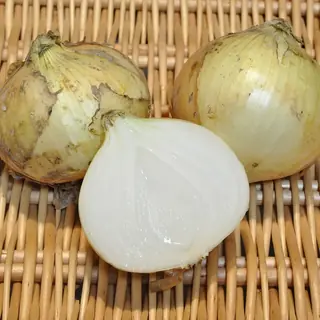
Onion
26 shared dishes
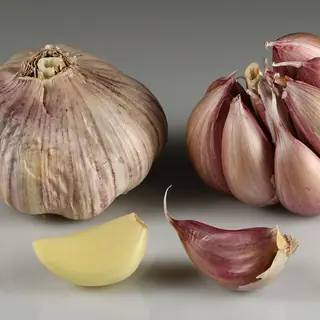
Garlic
22 shared dishes

Olive oil
8 shared dishes
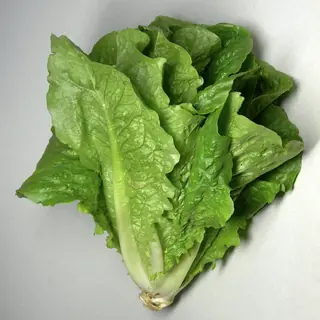
Lettuce
4 shared dishes
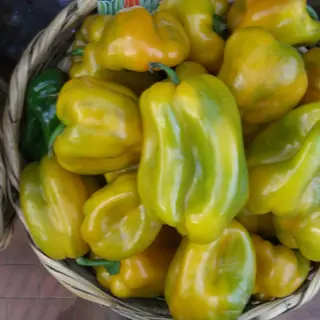
Bell pepper
4 shared dishes
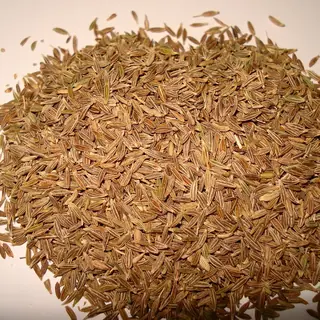
Cumin seed
3 shared dishes
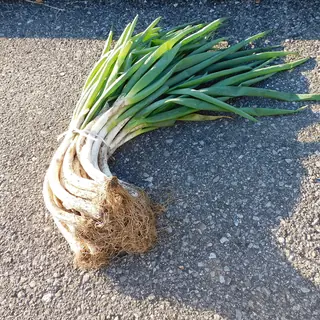
Welsh onion
3 shared dishes
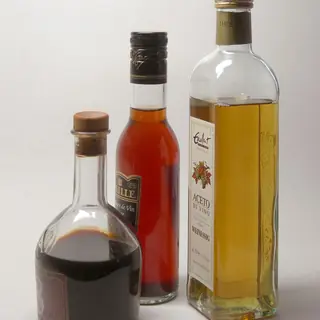
Vinegar
4 shared dishes
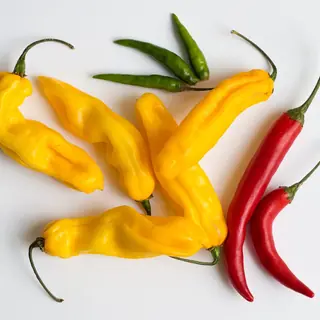
Chili pepper
12 shared dishes
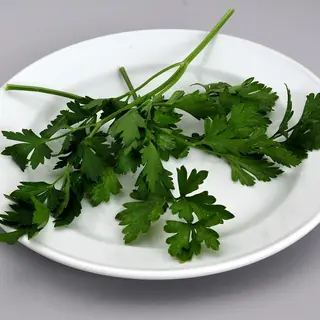
Parsley
4 shared dishes
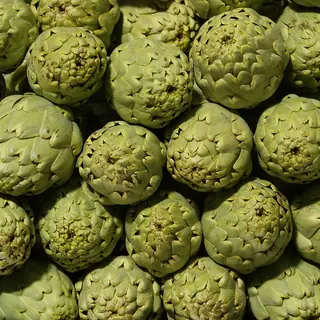
Globe artichoke
2 shared dishes
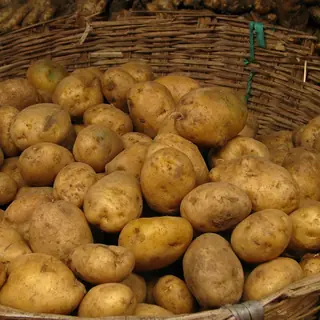
Potato
8 shared dishes
Photo credits for this page (12)
Garlic: Ivar Leidus · CC BY-SA 4.0 · Wikimedia Commons
Olive oil: Jacek Halicki · CC BY-SA 4.0 · Wikimedia Commons
Lettuce: Rainer Zenz · CC BY-SA 3.0 · Wikimedia Commons
Bell pepper: Ssilvestori at English Wikipedia · CC BY-SA 3.0 · Wikimedia Commons
Cumin seed: Miansari66 · Public domain · Wikimedia Commons
Welsh onion: Miyuki Meinaka · CC BY-SA 4.0 · Wikimedia Commons
Vinegar: Rainer Zenz · CC BY-SA 3.0 · Wikimedia Commons
Chili pepper: Takeaway · CC BY-SA 4.0 · Wikimedia Commons
Parsley: Bi-frie ( talk ) · CC BY 3.0 · Wikimedia Commons
Globe artichoke: Hans Hillewaert · CC BY-SA 3.0 · Wikimedia Commons
Potato: McKay Savage from London, UK · CC BY 2.0 · Wikimedia Commons


Around the world
What tomato is called
Spanish
tomate · jitomate
French
tomate · tomates
Italian
pomodoro
Portuguese
tomate
German
Tomate
Dutch
tomaat · tomaten
Turkish
domates · kızanak
Russian
помидор · помидоры · помидор (овощ) · томат
Polish
pomidor · pomidory
Arabic
طماطم
Hebrew
עגבנייה
Hindi
टमाटर
Show all 117 languages
Abkhazian
атомат
Albanian
domate
Amharic
ቲማቲም
Aragonese
tomate
Armenian
լոլիկ
Aromanian
dumatâ
Asturian
tomate
Austrian German
Paradeiser · Tomate
Azerbaijani
pomidor
Bangla
টমেটো
Banjar
balinjan
Basque
tomate
Belarusian
памідор
Belarusian (Taraskievica orthography)
памідор
Bhojpuri
टमाटर
Brazilian Portuguese
tomate
Breton
tomatez
Burmese
ခရမ်းချဉ်သီး
Cantonese
番茄
Catalan
tomàquet · tomaca · tomata
Central Kurdish
تەماتە
Cherokee
ᏔᎹᏟ
Chinese
番茄 · 西红柿 · 西紅柿
Cornish
aval kerensa
Czech
rajče · rajčata
dag
kamantoonsi
Danish
tomat · tomatbær
dga
toose · kɔmbie · nɔmmo bommanna
Divehi
ވިލާތު ބަށި
Egyptian Arabic
طماطم · اوطة
eml
pómdòr
Esperanto
tomato
Estonian
tomat · tomatid
Extremaduran
tomati
Finnish
tomaatti
Frafra
kamantua
Galician
tomate
Gan Chinese
番茄
Gan Chinese (Simplified)
西红柿
Georgian
პომიდორი
Guarani
tomate
Haitian Creole
tomat
Hausa
tumatur
Hawaiian
ʻōhiʻa lomi
Hungarian
paradicsom
Igbo
otuboala
Indonesian
tomat
Interlingua
tomato
Inuktitut
ᒥᓗᑦᓱᑳᒐᖅ
Irish
tráta
Japanese
トマト · トマトの実
Kara-Kalpak
pomidor
Kinyarwanda
Inyanya
Korean
토마토 · 토마토 열매
kus
tamantoos · tomato · ntoos · kamantoos
Ladino
tomat
lbe
помидор
Ligurian
tomata
Lingala
tomáti
Lithuanian
pomidoras
Low Saxon
tomate
Macedonian
домат
Malagasy
voatabia
Malayalam
തക്കാളി · ടൊമാറ്റോ
Maltese
tadam
Moksha
помидор
Moroccan Arabic
ماطيشة
nah
xihtomatl
Neapolitan
pummarola
Nepali
टमाटर
Norwegian Bokmål
tomat
Norwegian Nynorsk
tomat
Occitan
tomata
Odia
ଟମାଟ · ଟୋମାଟୋ
Old English
Heortæppel
Piedmontese
tomatica
Romanian
tomată · roșie
Romany
paradajka
Rundi
tomati
Sanskrit
वार्तकी
Santali
ᱠᱩᱲᱪᱟᱹ · ᱵᱤᱞᱟᱹᱛᱤ
Sardinian
tamata
Scots
tomato
Shan
မၢၵ်ႇၶိူဝ်သူမ်ႈ
Shona
madomasi
Sicilian
pumadoru
Silesian
tůmata
Simplified Chinese
西红柿
Simplified Chinese (China)
西红柿
Simplified Chinese (Malaysia)
番茄
Simplified Chinese (Singapore)
番茄
Slovak
paradajky · paradajka
Slovenian
paradižnik
Somali
yaanyo
Swedish
tomat
Tajik
гуҷафарангӣ
Tajik (Latin)
gucafarangī
Tamil
தக்காளி
Tatar
помидор
Tatar (Cyrillic)
памидур
tay
warang
Thai
มะเขือเทศ
Tibetan
ལྡུམ་སྒོང་།
Traditional Chinese
番茄 · 西紅柿
Traditional Chinese (Hong Kong SAR China)
番茄
Traditional Chinese (Macao SAR China)
番茄
Traditional Chinese (Taiwan)
番茄
Tumbuka
mpwetekele
Tunisian Arabic (Arabic)
كعبة طماطم
Tuvinian
помидор
Udmurt
помидор
Ukrainian
помідор
Upper Sorbian
tomata · tomaty
Uyghur
پەمىدۇر
Waray
kamatis
Western Mari
помидор
Yiddish
פּאַמידאָר
Zhuang
makyungz
Zulu
utamatisi
Sources and credits
Data
- GlobeCooks editorial: descriptions, kitchen notes and classification, written by GlobeCooks from checked sources
- USDA FoodData Central (Foundation, SR Legacy): nutrition values (Public domain (US government work, CC0))
- Wikidata: names, classification and dishes (CC0 1.0)
- Wikimedia Commons: photos
- Wikipedia (English) (CC BY-SA 4.0)
Wikidata item: Q20638126