Globe artichoke
Also called artichoke and artichokes
Globe artichoke is treated as a vegetable, and cooks use its buds, leaves, and stems. It has a tender texture and can be eaten raw or baked, boiled, simmered, sautéed, steamed, deep-fried, or stuffed. It pairs with olive oil and lamb.
- Plant-based
About the plain ingredient, not packaged products; general information, not medical advice. Details
- Category
- Vegetables
- Part used
- Bud, leaf, stem
- Texture
- Tender
- Top country
- France
- Dishes
- 5 in the catalogue
- Energy
- 47 kcal per 100 g

Photo: Hans Hillewaert · CC BY-SA 3.0 · Wikimedia Commons

In the kitchen
How to use globe artichoke
Typical ways to cook or use it
- Bake
- Boil simmer
- Deep fry
- Raw
- Saute
- Steam
- Stuff
Preparing it
Trim the tips of the scales to remove thorns. Remove and discard the inedible choke before eating the heart. Put cut artichokes in water with a little lemon juice or vinegar to limit browning.
Flavour
Taste and texture
Texture
- Tender
Shopping
Choosing and storing globe artichoke
- Sold as
- Canned, Frozen
Nutrition
What 100 g of globe artichoke holds
Protein 23%Fat 1%Carbohydrate 75%of the macronutrients by weight
| Energy | 47 kcal · 197 kJ |
|---|---|
| Protein | 3.3 g |
| Fat | 0.15 g |
| of which saturated | 0.04 g |
| Carbohydrate | 11 g |
| of which sugars | 0.99 g |
| Fibre | 5.4 g |
| Sodium | 94 mg |
| Cholesterol | 0 mg |
| Potassium | 370 mg |
|---|---|
| Calcium | 44 mg |
| Iron | 1.3 mg |
| Magnesium | 60 mg |
| Zinc | 0.49 mg |
| Vitamin C | 12 mg |
| Vitamin A (RAE) | 1 µg |
| Folate | 68 µg |
Source: USDA FoodData Central (food 169205), public domain. Minerals and vitamins are listed only where USDA measured a non-zero amount.
Around the world
Where globe artichoke is cooked
Origins
1466 · Italy
An improved artichoke was carried from Naples to Florence.
The 1800s · United States
French and Spanish immigrants brought artichokes to Louisiana and California, respectively.
On the table
Dishes made with globe artichoke
Pan-bagnat
France
Pizza quattro stagioni
Italy
Stuffed Artichoke
Morocco
Niçard salad
France
Spinach and artichoke dip
Dish lists come from Wikidata; a dish counts when its recorded ingredients include globe artichoke.
Good to know
Diet and allergens: globe artichoke in detail
- Allergens
- None of the 15 listed allergens foundChecked and not found: eggs, fish, milk, molluscs, sulphites, crustaceans.
- Animal origin
- No animal ingredients foundChecked and not found: egg, fish, meat, dairy, honey, insect, gelatin, poultry, bone char, shellfish, other animal, animal fining, animal rennet.
- Alcohol
- None
- Pork
- None
Cooked together
Often cooked with globe artichoke
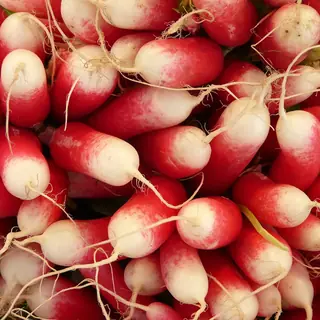
Radish
2 shared dishes
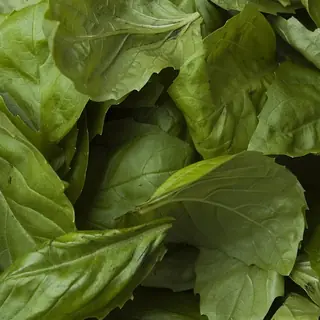
Basil
2 shared dishes
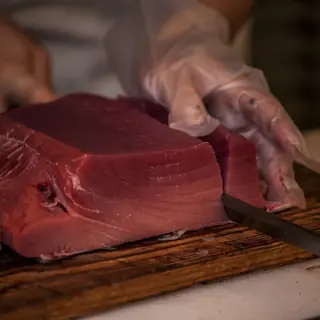
Tuna
2 shared dishes
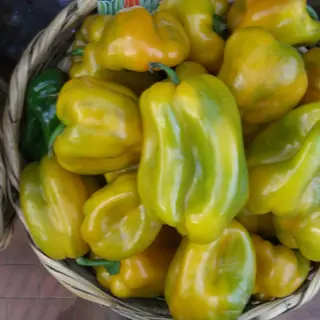
Bell pepper
2 shared dishes
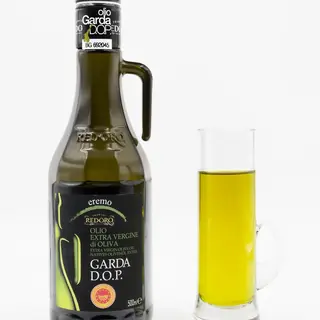
Olive oil
2 shared dishes
Tomato
2 shared dishes
Photo credits for this page (6)
Radish: Hans Braxmeier · CC0 1.0 · Wikimedia Commons
Basil: Paul Goyette · CC BY-SA 2.0 · Wikimedia Commons
Tuna: George Alexander Ishida Newman from Japan · CC BY 2.0 · Wikimedia Commons
Bell pepper: Ssilvestori at English Wikipedia · CC BY-SA 3.0 · Wikimedia Commons
Olive oil: Jacek Halicki · CC BY-SA 4.0 · Wikimedia Commons


Around the world
What globe artichoke is called
Spanish
alcachofa
French
artichaut · artichaut violet · artichaut poivrade · artichaut breton
Italian
carciofo
Portuguese
alcachofra
German
Artischocke
Dutch
artisjok
Greek
αγκινάρα
Turkish
enginar
Russian
артишок
Polish
karczoch
Arabic
خرشوف
Persian
کنگر فرنگی
Show all 88 languages
Albanian
angjinare · Angjinarja
Aragonese
garchofa
Armenian
արտիճուկ
Asturian
Cynara scolymus
Azerbaijani
Əkilən ənginar
Bangla
আর্টিচোক
Basque
Orburu
Belarusian (Taraskievica orthography)
артышок звычайны
Bosnian
Artičoka
Breton
artichaod
Bulgarian
артишок · Cynara cardunculus
Burmese
အာတီချုပ်ပင်
Cantonese
雅枝竹
Catalan
carxofera
Cebuano
Cynara scolymus
Central Kurdish
ئارتیشوو
Chinese
朝鲜蓟
Corsican
artichjoccu
Czech
artyčok
Danish
Artiskok
Egyptian Arabic
خرشوف
eml
articiòc
Esperanto
Artiŝoko
Estonian
artišokk
Filipino
Cynara scolymus
Finnish
latva-artisokka
Galician
alcachofa
Georgian
არტიშოკი
Haitian Creole
aticho
Hebrew
ארטישוק · קינרס · חורשף
Hindi
आर्टीचोक
Hungarian
articsóka
Ido
Artichoko
Indonesian
articok · artichoke
Irish
bliosán
Japanese
アーティチョーク
Javanese
Artichoke
Kannada
ಆರ್ಟಿಚೋಕ್
Kazakh
Бөрікгүл
Kinyarwanda
Aritisho
Korean
아티초크
Kurdish
Artîşok
Latin
articoctus · Cynara cardunculus grex scolymus
Latvian
artišoks
Lithuanian
Tikrasis artišokas
Luxembourgish
Artichaut · Artischock
Macedonian
Артичока
Malay
Articok
Malayalam
ഗ്ലോബ് ആർട്ടികോക്ക്
Mongolian
Артишок (Органик хүнсний ногоо тариалах)
Navajo
Azeeʼ hókániitsoh
Nepali
आर्टीचोक
Norwegian Bokmål
artisjokk
Norwegian Nynorsk
artisjokk
Picard
àrtichoe
Piedmontese
articiòch
Romanian
anghinare · anghinare globulară
Sardinian
Cynara scolymus
Serbian
Артичока
Serbian (Latin)
Artičoka
Sicilian
Cynara scolymus
Sinhala
ආටිචෝක්
Slovak
artičoka
Slovenian
artičoka
Swedish
kronärtskocka
Tamil
முள் முட்டைக்கோசு
Thai
อาร์ทิโชก
Tibetan
ཁོ་རེ་ཡའི་ཤིང་ཞིག
Tunisian Arabic (Arabic)
قنّاريّة
Tunisian Arabic (Latin)
gannèriyya
Turkmen
Artokok
Ukrainian
Артишок іспанський
Uyghur
كەنگەر
Uzbek
Artishok
Vietnamese
Atisô
Waray
Cynara scolymus
Wu Chinese
菜蓟
Sources and credits
Data
- GlobeCooks editorial: descriptions, kitchen notes and classification, written by GlobeCooks from checked sources
- USDA FoodData Central (Foundation, SR Legacy): nutrition values (Public domain (US government work, CC0))
- Wikidata: names, classification and dishes (CC0 1.0)
- Wikimedia Commons: photos
- Wikipedia (English) (CC BY-SA 4.0)
Wikidata item: Q23041430
Photos
Photo: Hans Hillewaert · CC BY-SA 3.0 · Wikimedia Commons