Onion
Allium cepa
An onion is a vegetable whose bulb is used in cooking. Cooks use it raw or as a garnish, or bake, boil, simmer, braise, grill, pickle, roast, or sauté it.
- Plant-based
- Gluten-free
- No listed allergens
About the plain ingredient, not packaged products; general information, not medical advice. Details
- Category
- Vegetables
- Part used
- Bulb
- Family
- Amaryllidaceae
- Top country
- Nigeria
- Dishes
- 176 in the catalogue
- Energy
- 40 kcal per 100 g


In the kitchen
How to use onion
Typical ways to cook or use it
- Bake
- Boil simmer
- Braise
- Garnish
- Grill
- Pickle
- Raw
- Roast
- Saute
Preparing it
To reduce eye irritation, cut onions under running water or underwater. Leave the root end intact while cutting to reduce irritation.
Cooking with it
Yellow onions become dark brown and sweet when caramelised. White onions develop a particularly sweet flavour when sautéed.
Shopping
Choosing and storing onion
Keeping it
- Cool dark · whole
Nutrition
What 100 g of onion holds
Protein 10%Fat 1%Carbohydrate 89%of the macronutrients by weight
| Energy | 40 kcal · 166 kJ |
|---|---|
| Protein | 1.1 g |
| Fat | 0.1 g |
| of which saturated | 0.04 g |
| Carbohydrate | 9.3 g |
| of which sugars | 4.2 g |
| Fibre | 1.7 g |
| Sodium | 4 mg |
| Cholesterol | 0 mg |
| Potassium | 146 mg |
|---|---|
| Calcium | 23 mg |
| Iron | 0.21 mg |
| Magnesium | 10 mg |
| Zinc | 0.17 mg |
| Vitamin C | 7.4 mg |
| Folate | 19 µg |
Frozen
Protein 10%Fat 1%Carbohydrate 90%of the macronutrients by weight
| Energy | 28 kcal · 118 kJ |
|---|---|
| Protein | 0.71 g |
| Fat | 0.05 g |
| of which saturated | 0.01 g |
| Carbohydrate | 6.7 g |
| of which sugars | 2.9 g |
| Fibre | 1.4 g |
| Sodium | 8 mg |
| Cholesterol | 0 mg |
| Potassium | 101 mg |
|---|---|
| Calcium | 27 mg |
| Iron | 0.34 mg |
| Magnesium | 8 mg |
| Zinc | 0.09 mg |
| Vitamin C | 5.1 mg |
| Folate | 13 µg |
Source: USDA FoodData Central (foods 170000, 170413), public domain. Minerals and vitamins are listed only where USDA measured a non-zero amount.
Around the world
Where onion is cooked
Dishes by continent
- Africa40
- Europe39
- Asia38
- The Americas16
- Oceania1
Countries whose dishes use it most
- Nigeria 26
- Indonesia 20
- Spain 8
- United States 6
- Germany 5
- Italy 5
- Armenia 4
- Russia 4
- Algeria 3
- France 3
- Iran 3
- Kyrgyzstan 3
- Mexico 3
- Türkiye 3
Counts are catalogued dishes from each country that list onion among their ingredients.
On the table
Dishes made with onion
Hallaca
Venezuela
Arsik
Indonesia
Goulash
Batiburrillo
Paraguay
Thiebou Yapp
Senegal
Bauernfrühstück
Germany
Kaspressknödel
Austria
Crawfish Monica
United States
Fideuà
Spain
Olivier salad
Russia
Martino
Belgium
Ofe Oha
Nigeria
Dressed herring
Gonré
Burkina Faso
Malarrabia
Peru
Sorrel soup
Eastern Europe
Jambalaya
Lula kebab
Central Asia, Armenia, Azerbaijan
Spanakorizo
Greece
Zlyvana kasha
Ukraine
Bigos
Poland
Dambu
Niger, Nigeria
Djenkoume
Togo
Fenkata
Malta
Kashk e badamjan
Iran
Oromo
Kyrgyzstan
Poqui poqui
Philippines
Sarma
Greece
Tajine el bey
Tunisia
Wasawasa
Ghana
Amiwô
Benin
Düğün çorbası
Türkiye
Ekpang Nkwukwo
Cameroon, Nigeria
Enchilada potosina
Mexico
Fried rice
China
Frita
Algeria
Galayet bandora
Jordan
Kikomando
Uganda
Mshosh
Armenia
Shark chutney
Seychelles
Chakalaka
South Africa
Chashushuli
Georgia
Csülök pékné módra
Hungary
Harşo
Ifisashi
Zambia
Mariscal
Chile
Pissaladière
France, Italy
Tfaya
Morocco
Dish lists come from Wikidata; a dish counts when its recorded ingredients include onion.
Good to know
Diet and allergens: onion in detail
- Allergens
- None of the 15 listed allergens foundChecked and not found: soy, eggs, fish, milk, lupin, wheat, celery, sesame, mustard, peanuts, molluscs, sulphites, tree nuts, crustaceans, gluten cereals.
- Animal origin
- No animal ingredients foundChecked and not found: egg, fish, meat, dairy, honey, insect, gelatin, poultry, bone char, shellfish, other animal, animal fining, animal rennet.
- Gluten
- None
- Alcohol
- None
- Caffeine
- None
- Pork
- None
Family
Related forms
- Made from it
- fried onion
Cooked together
Often cooked with onion
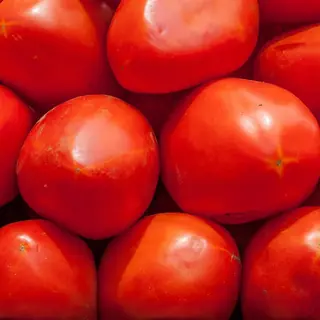
Tomato
26 shared dishes
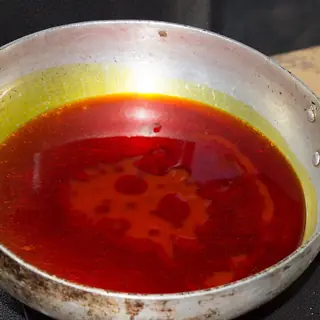
Palm oil
20 shared dishes
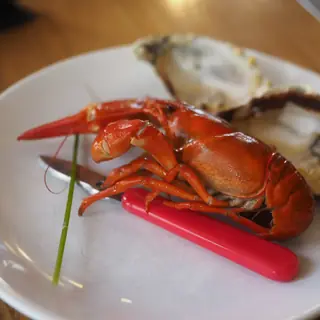
Crayfish
12 shared dishes
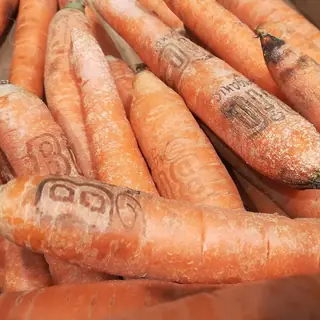
Carrot
17 shared dishes
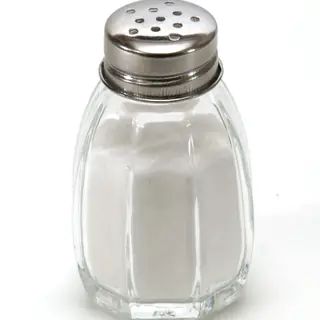
Table salt
49 shared dishes
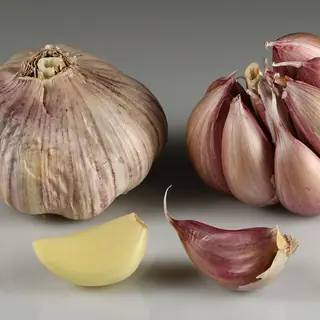
Garlic
39 shared dishes
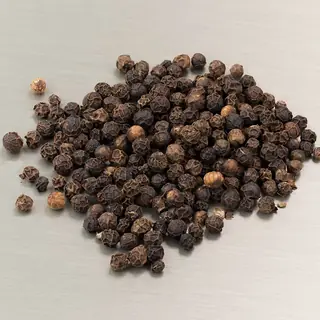
Black pepper
16 shared dishes
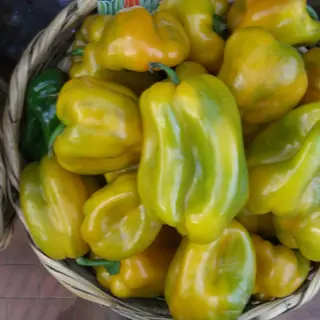
Bell pepper
7 shared dishes
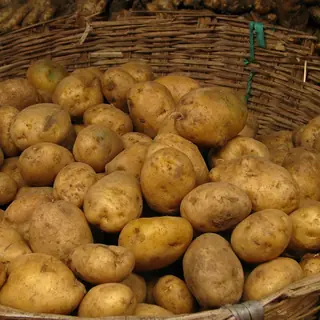
Potato
19 shared dishes
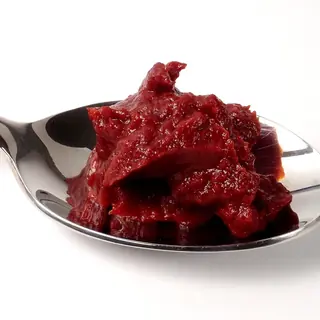
Tomato paste
4 shared dishes
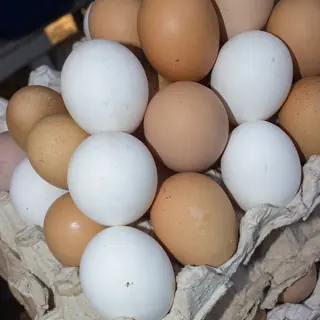
Egg
25 shared dishes
Photo credits for this page (11)
Palm oil: DromoTetteh · CC BY-SA 4.0 · Wikimedia Commons
Crayfish: JIP · CC BY-SA 4.0 · Wikimedia Commons
Carrot: MOs810 · CC BY-SA 4.0 · Wikimedia Commons
Table salt: Dubravko Sorić SoraZG on Flickr · CC BY 2.0 · Wikimedia Commons
Garlic: Ivar Leidus · CC BY-SA 4.0 · Wikimedia Commons
Bell pepper: Ssilvestori at English Wikipedia · CC BY-SA 3.0 · Wikimedia Commons
Potato: McKay Savage from London, UK · CC BY 2.0 · Wikimedia Commons
Tomato paste: SKopp · CC BY-SA 3.0 · Wikimedia Commons
Egg: Flixtey · CC BY-SA 4.0 · Wikimedia Commons


Around the world
What onion is called
Spanish
cebolla
French
oignon
Italian
cipolla
Portuguese
cebola
German
Speisezwiebel · Küchenzwiebel · Allium cepa · Zwiebel <Küchenzwiebel>
Dutch
ui · uien
Greek
κρεμμύδι
Turkish
soğan · soğanlar
Russian
лук
Polish
cebula
Arabic
بصل
Hebrew
בצל
Show all 79 languages
Albanian
qepë
Armenian
սոխ
Asturian
cebolla
Bangla
পিঁয়াজ
Basque
tipula
Belarusian
цыбуля
Burmese
ကြက်သွန်နီ
Catalan
ceba
Central Kurdish
پیاز
Chinese
洋葱 · 葱
Cornish
onyonen
Crimean Tatar (Romania)
sogan · baş-sogan
Czech
cibule
dag
alibalisa
Danish
kepa-løg · løg
Egyptian Arabic
بصل
Esperanto
cepo
Estonian
sibul
Finnish
sipuli · ruokasipuli
Frafra
alabasa · geene
Galician
cebola
guw
alùbasa
Hausa
albasa
Hindi
प्याज
Hungarian
hagyma
Ido
onyono
Inari Sami
siipuul
Indonesian
bawang
Irish
oinniún
Japanese
玉ねぎ · タマネギ · 玉葱 · たまねぎ
Kabyle
lebṣel
Kashmiri
گَنٛڈٕ
kus
gabʋ · alabasa · gɛɛn · gabvaand
Kyrgyz
пияз
Latin
Allii cepae bulbus
Latvian
sīpoli · sīpols · sīpols kā ēdiens
Lithuanian
svogūnai
Low German
Zibbel
Lule Sami
løhkka
Madurese
bhâbeng
Malay
bawang · bahan masakan bawang
Mossi
albasle · gɛba
N’Ko
ߖߊ߬ߓߊ
Navajo
tłʼohchin
Northern Sami
lávki
Norwegian Bokmål
løk
Norwegian Nynorsk
lauk
Odia
ପିଆଜ
Romanian
ceapă
Santali
ᱯᱮᱭᱟᱸᱡᱽ
Shan
ႁူဝ်မီႇလႅင် · မီႇလႅင် · ၽၵ်းမူဝ်ႇ · ႁူဝ်မီႇမူဝ်ႇ
sje
löhkka
Skolt Sami
luukk
skr
وسل
Slovak
cibuľa
Slovenian
čebula · luk · čebulica
Southern Sami
lööke
Swedish
lök
Tatar
суган
Tunisian Arabic (Arabic)
راس بصل
Ukrainian
цибуля
Upper Sorbian
cybla · cyble
Venetian
séola
Vietnamese
hành tây
Welsh
nionyn · nionod · winwnsyn · winwns
Western Panjabi
گنڈھا
Yiddish
ציבעלע
Sources and credits
Data
- GlobeCooks editorial: descriptions, kitchen notes and classification, written by GlobeCooks from checked sources
- USDA FoodData Central (Foundation, SR Legacy): nutrition values (Public domain (US government work, CC0))
- Wikidata: names, classification and dishes (CC0 1.0)
- Wikimedia Commons: photos
- Wikipedia (English) (CC BY-SA 4.0)
Wikidata item: Q3406628