Egg
Aves, Gallus gallus domesticus
Eggs are eaten cooked or raw. Cooks use them in baking, boil or simmer them, and pickle or preserve them.
- Vegetarian
- Egg
- Gluten-free
- Allergen: egg
About the plain ingredient, not packaged products; general information, not medical advice. Details
- Category
- Dairy & eggs
- Part used
- Egg
- Family
- Phasianidae
- Top country
- Indonesia
- Dishes
- 170 in the catalogue
- Energy
- 143 kcal per 100 g

Photo: Flixtey · CC BY-SA 4.0 · Wikimedia Commons

In the kitchen
How to use egg
Typical ways to cook or use it
- Bake
- Boil simmer
- Pickle
- Preserve
- Raw
Cooking with it
The yolk and white set at different temperatures, and temperature affects how long setting takes. Overcooking a boiled egg can produce a greenish ring around its yolk. Starting eggs in boiling water makes them easier to peel after cooking than starting them in cold water.
Shopping
Choosing and storing egg
Choosing a good one
A small air cell is a sign of a very fresh egg.
Keeping it
- Fridge · whole
Nutrition
What 100 g of egg holds
Protein 55%Fat 42%Carbohydrate 3%of the macronutrients by weight
| Energy | 143 kcal · 599 kJ |
|---|---|
| Protein | 13 g |
| Fat | 9.5 g |
| of which saturated | 3.1 g |
| Carbohydrate | 0.72 g |
| of which sugars | 0.37 g |
| Fibre | 0 g |
| Sodium | 142 mg |
| Cholesterol | 372 mg |
| Potassium | 138 mg |
|---|---|
| Calcium | 56 mg |
| Iron | 1.8 mg |
| Magnesium | 12 mg |
| Zinc | 1.3 mg |
| Vitamin A (RAE) | 160 µg |
| Folate | 47 µg |
| Vitamin B12 | 0.89 µg |
Other forms
Protein 53%Fat 43%Carbohydrate 4%of the macronutrients by weight
| Energy | 148 kcal · 617 kJ |
|---|---|
| Protein | 12 g |
| Fat | 10 g |
| of which saturated | 3.2 g |
| Carbohydrate | 0.96 g |
| of which sugars | 0.2 g |
| Fibre | 0 g |
| Sodium | 129 mg |
| Cholesterol | 411 mg |
| Potassium | 132 mg |
|---|---|
| Calcium | 48 mg |
| Iron | 1.7 mg |
| Magnesium | 11 mg |
| Zinc | 1.2 mg |
| Vitamin A (RAE) | 180 µg |
| Folate | 71 µg |
| Vitamin B12 | 1 µg |
Source: USDA FoodData Central (foods 171287, 748967), public domain. Minerals and vitamins are listed only where USDA measured a non-zero amount.
Around the world
Where egg is cooked
Dishes by continent
- Asia79
- Europe35
- Africa10
- The Americas6
Origins
About 1,500 BCE · South-eastern Asia
People began collecting chicken eggs for food in Southeast Asia around this time.
The 1600s · France
Eggs scrambled with acidic fruit juice were popular in France.
1878 · United States
A St. Louis company began drying egg yolks and whites into a meal-like product.
On the table
Dishes made with egg
Otak-otak
Indonesia
Laksa
Iran
Bauernfrühstück
Germany
Kaspressknödel
Austria
Olivier salad
Russia
Tarta de Santiago
Spain
Lemon ricotta pancakes
United States
Danwake
Nigeria
Dressed herring
Sorrel soup
Eastern Europe
Äggakaka
Sweden
Capoun
France
Zlyvana kasha
Ukraine
Adjidjat
Algeria
Banana Breakfast Cookies
Africa
Kotlet schabowy
Poland
Poqui poqui
Philippines
Spätzle
Tajine el bey
Tunisia
Bibimbap
Fried rice
China
Huevos rancheros
Mexico
Kolkata biryani
Rakott krumpli
Hungary
Strapatsada
Greece
Tarana
North Macedonia
Harşo
Rufioi
Italy
Bobotie
South Africa
Chebakia
Fetîr
Türkiye
Filet américain
Belgium
Gâteau Basque
Milanesa
Mish-mash
Bulgaria
Ovdukh
Azerbaijan
Chả trứng
Vietnam
Komplet lepinja
Serbia
Smaženice
Chawanmushi
Japan
Gado-gado
Indonesia
Eiernockerl
Austria
Mimosa salad
Saffron pancake
Sweden
Saumagen
Germany
Carbonara
Italy, United States
Hojas de parra
Spain
Pancake
Nigeria
Dish lists come from Wikidata; a dish counts when its recorded ingredients include egg.
Good to know
Diet and allergens: egg in detail
- Allergens
- Contains: eggsChecked and not found: soy, fish, milk, lupin, wheat, celery, sesame, mustard, peanuts, molluscs, sulphites, tree nuts, crustaceans, gluten cereals.
- Animal origin
- From: eggChecked and not found: fish, meat, dairy, honey, insect, gelatin, poultry, bone char, shellfish, other animal, animal fining, animal rennet.
- Gluten
- None
- Alcohol
- None
- Caffeine
- None
- Pork
- None
Cooked together
Often cooked with egg
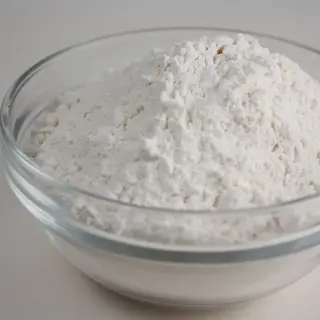
Wheat flour
30 shared dishes
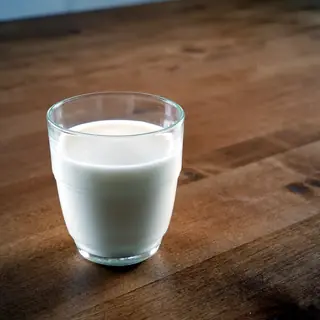
Milk
21 shared dishes
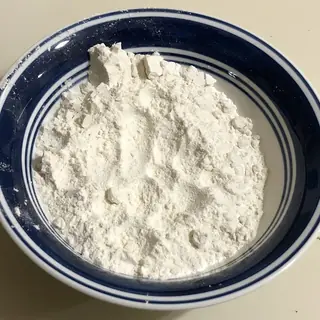
Flour
24 shared dishes
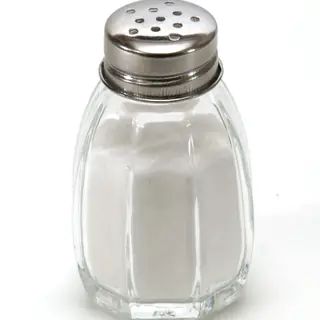
Table salt
51 shared dishes
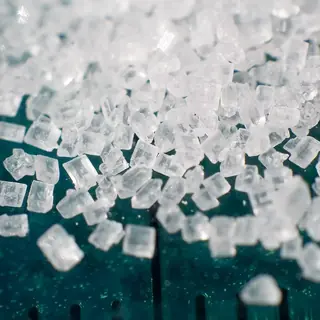
Sugar
34 shared dishes
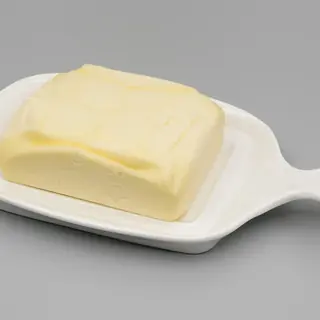
Butter
16 shared dishes
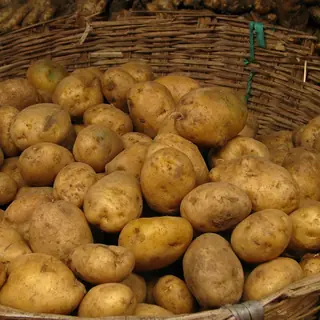
Potato
19 shared dishes
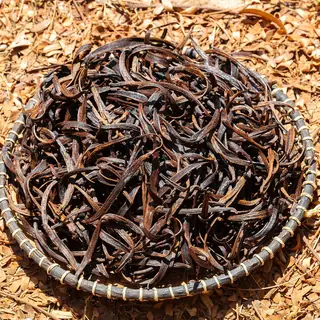
Vanilla
10 shared dishes
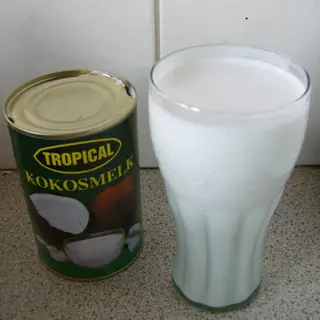
Coconut milk
25 shared dishes
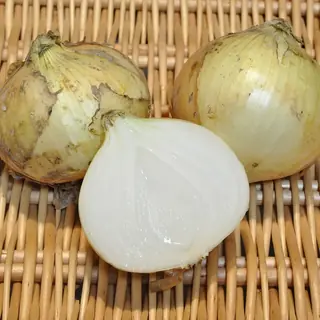
Onion
25 shared dishes
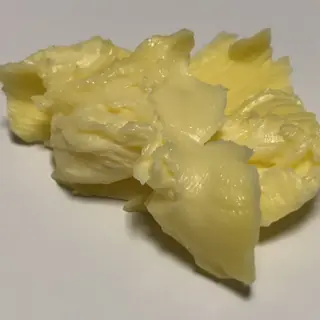
Margarine
8 shared dishes
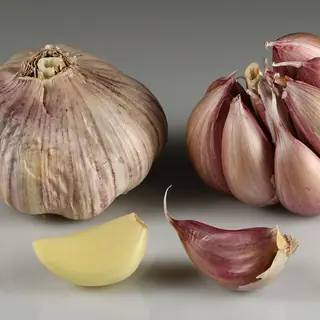
Garlic
28 shared dishes
Photo credits for this page (12)
Wheat flour: Veganbaking.net from USA · CC BY-SA 2.0 · Wikimedia Commons
Milk: Santeri Viinamäki · CC BY-SA 4.0 · Wikimedia Commons
Flour: Famartin · CC BY-SA 4.0 · Wikimedia Commons
Table salt: Dubravko Sorić SoraZG on Flickr · CC BY 2.0 · Wikimedia Commons
Sugar: Lauri Andler (Phantom) · CC BY-SA 3.0 · Wikimedia Commons
Butter: Jacek Halicki · CC BY-SA 4.0 · Wikimedia Commons
Potato: McKay Savage from London, UK · CC BY 2.0 · Wikimedia Commons
Vanilla: Diego Delso · CC BY-SA 4.0 · Wikimedia Commons
Coconut milk: Meursault2004 · CC BY-SA 3.0 · Wikimedia Commons
Margarine: Famartin · CC BY-SA 4.0 · Wikimedia Commons
Garlic: Ivar Leidus · CC BY-SA 4.0 · Wikimedia Commons


Around the world
What egg is called
Spanish
huevo
French
œuf · œufs
Italian
uovo · uova
Portuguese
ovo como alimento · ovo · ovos · ovos como alimento
German
Ei
Dutch
ei
Greek
αυγό · αβγό (τρόφιμο)
Turkish
yumurta · Tavuksal fırlatgaç
Russian
яйцо
Polish
jajko · jajo
Arabic
بيض · بيضة
Persian
تخممرغ · بیضه · تخم مرغ
Show all 177 languages
Afrikaans
eier
Aghem
eghum
Akan
kosua
Albanian
vezë · vë
Algerian Arabic
بيض
Amharic
እንቁላል
Aramaic
ܒܝܥܬܐ · ܒܥܬܐ
Armenian
ձու
Asturian
güevu
azb
یومورتا
Azerbaijani
yumurta
bag
igaá
Bambara
Syɛfan
Bamun
tam pum
Bangla
ডিম
Basaa
li tjè
Bashkir
Йомортҡа
Basque
arrautza
Belarusian
яйка
Belarusian (Taraskievica orthography)
яйка
Betawi
Telor
Bikol
Sugok bilang kakanon
bkc
pàpala
bkh
diki rí kúp
Bosnian
jaje
Breton
Vi
Bulgarian
Яйце
Cantonese
蛋 · 春 · 膥
Catalan
ou
cdo
lâung
Central Kurdish
ھێلکە · هێلکە
Chinese
蛋 · 蛋品
Chuvash
Çăмарта
Croatian
jaje
Czech
vejce · vajíčko
Danish
æg
Duala
mweny
Erzya
ал
Esperanto
ovo · ovo kiel manĝaĵo
Estonian
muna
eto
ècìí é kú
etu
ejíì ŋ́kɔk
Ewe
koklozi
Ewondo
aki kúb
Filipino
itlog
Finnish
muna · muna ruokana
fmp
pǒmngāp
Frafra
Gele/zele
Galician
ovo
Gbaya
kui-kora
gcr
Dizé
Georgian
კვერცხი
Ghomala
pəm · pÉ™m
Guarani
Ryguasu rupi'a
Hakka Chinese
Lón
Hausa
Kwai
Hebrew
ביצה
Hindi
अण्डा · अंडा
Hungarian
tojás
Ibibio
nsen unen · Nkwa unen
Icelandic
egg · Eggjakast · Fullt hús matar
Ido
ovo
Igbo
ákwá
Inari Sami
mane
Indonesian
telur
Interlingua
Ovo
Irish
ubh
isu
íghûm
Japanese
卵 · 玉子 · 食用卵
Javanese
Endhog minangka panganan
Kabyle
tamellalt
Kashmiri
ٹھوٗل
Kashubian
jôjkò
ker
kәccәki
kge
Hatolui
Kinyarwanda
Igi · Amagi
Kom
iwum
Korean
알 · 새알 · 에그 · 식란
Kurdish
hêk
Kurdish (Latin)
hêk
Kwasio
kí
Kyrgyz
Жумуртка
Latgalian
ūla
Latin
ovum
Latvian
ola
lem
yɔɔ́nɔ́
Limburgish
Ei
Lithuanian
kiaušinis
lns
kiŋgom
Lombard
oeuv
Low Saxon
aai
Lule Sami
månne
Luxembourgish
Ee · Eeër
Macedonian
јајце
Malay
telur
Malay (Arabic)
تلور
Malayalam
മുട്ട
Maltese
bajd
Manchu
ᡠᠮᡥᠠᠨ
Manx
Ooh
Marathi
अंडी
Mazanderani
مرغانه
mcn
zìnà
mcp
”dǝk"
Medumba
bumngab · bum
Min Nan Chinese
Nn̄g · Nuī
Min Nan Chinese (Traditional)
卵
Mingrelian
მარქვალი
Moksha
Ал
Mossi
Gelle
Mundang
pãare
N’Ko
ߞߊ߬ ߞߟߌ ߞߍ߫ ߓߊߟߏ ߘߌ߫ · ߞߟߌ · ߝߊ߲
nah
tōtoltetl · Tōtōtetl
Nepali
फुल
Ngiemboon
lepum
Northern Sami
monni · manni
Northern Sotho
Mae bjalo ka dijo
Norwegian Bokmål
egg · mategg
Norwegian Nynorsk
egg
Occitan
uòu · ueu · uou
Odia
ଅଣ୍ଡା
olo
Jäiččy
Pashto
چرګې هګۍ
Pennsylvania German
Oi · Egg
Piedmontese
Euv (aliment)
Pontic
οβόν
Punjabi
ਆਂਡਾ · ਅੰਡਾ
rmf
kaȟjako jaaro
Romanian
ou
Serbian
Јаје · јаје као храна
Serbian (Latin)
Jaje
Shan
ၶႆႇတၢင်းၵိၼ်
Sicilian
uòvu
Silesian
jajco
Simplified Chinese
蛋
Simplified Chinese (China)
蛋
Simplified Chinese (Singapore)
蛋
Sinhala
බිත්තරය
sjd
маннҍ
Skolt Sami
mââʹnn
Slovak
vajce · vajíčko · vajcia
Slovenian
jajce · jajca · jajček · jajčka
Somali
Ukun
Southern Sami
munnie
Swedish
ägg · ägg som mat
szy
ti'kuk
Tachelhit
Taglayt
Tamil
முட்டை ஓா் உணவு
Tatar
йомырка · күкәй · тавык йомыркасы
Tatar (Cyrillic)
йомырка · күкәй · тавык йомыркасы
Telugu
గుడ్డు
Thai
ไข่
Toki Pona
sike mama moku · moku la sike mama
Traditional Chinese
蛋
Traditional Chinese (Hong Kong SAR China)
蛋
Traditional Chinese (Taiwan)
蛋
Tunisian Arabic (Arabic)
عضمة
tvu
yɔnɔ́
Ukrainian
яйце
Upper Sorbian
jejo · jejko · jeja · jejka
Urdu
انڈا · انڈہ
Venetian
ovo
Vietnamese
trứng · Trứng gà
vut
vuuŋ
Walloon
Oû
Waray
bunay · Bonay
Welsh
ŵy fel bwyd · Wy
wes
egg
Western Mari
Мыны
Wu Chinese
蛋
Yangben
nikɛɛ́
yas
ɛgɛɛ́
yat
Nɛbom
Yemba
lepo ŋ́gáp
Zaza
Hak
Zulu
Amaqanda
Sources and credits
Data
- GlobeCooks editorial: descriptions, kitchen notes and classification, written by GlobeCooks from checked sources
- USDA FoodData Central (Foundation, SR Legacy): nutrition values (Public domain (US government work, CC0))
- Wikidata: names, classification and dishes (CC0 1.0)
- Wikimedia Commons: photos
- Wikipedia (English) (CC BY-SA 4.0)
Wikidata item: Q93189
Photos
Photo: Flixtey · CC BY-SA 4.0 · Wikimedia Commons