Almond
Prunus amygdalus
The almond is a seed that cooks treat as a nut, with a soft texture. It is sold whole and used raw, in baking, as a garnish, and to thicken dishes.
- Plant-based
- Gluten-free
- Allergen: tree nuts
About the plain ingredient, not packaged products; general information, not medical advice. Details
- Category
- Nuts & seeds
- Part used
- Seed
- Family
- Rosaceae
- Texture
- Soft
- Cooked most in
- Europe, Africa, The Americas
- Top country
- Spain
- Dishes
- 20 in the catalogue
- Energy
- 626 kcal per 100 g

Photo: Ivar Leidus · CC BY-SA 4.0 · Wikimedia Commons

In the kitchen
How to use almond
Typical ways to cook or use it
- Bake
- Garnish
- Raw
- Thicken
Preparing it
Remove the shell to reach the seed. For blanched almonds, use hot water to loosen the skin, then remove it.
Flavour
Taste and texture
Texture
- Soft
Shopping
Choosing and storing almond
- Sold as
- Whole
Nutrition
What 100 g of almond holds
Protein 23%Fat 55%Carbohydrate 22%of the macronutrients by weight
| Energy | 626 kcal |
|---|---|
| Protein | 21 g |
| Fat | 51 g |
| of which saturated | 3.8 g |
| Carbohydrate | 20 g |
| Fibre | 11 g |
| Sodium | 0 mg |
| Potassium | 733 mg |
|---|---|
| Calcium | 254 mg |
| Iron | 3.7 mg |
| Magnesium | 258 mg |
| Zinc | 2.9 mg |
Other forms
Protein 23%Fat 54%Carbohydrate 23%of the macronutrients by weight
| Energy | 579 kcal · 2,423 kJ |
|---|---|
| Protein | 21 g |
| Fat | 50 g |
| of which saturated | 3.8 g |
| Carbohydrate | 22 g |
| of which sugars | 4.4 g |
| Fibre | 13 g |
| Sodium | 1 mg |
| Cholesterol | 0 mg |
| Potassium | 733 mg |
|---|---|
| Calcium | 269 mg |
| Iron | 3.7 mg |
| Magnesium | 270 mg |
| Zinc | 3.1 mg |
| Folate | 44 µg |
Source: USDA FoodData Central (foods 2346393, 170567), public domain. Minerals and vitamins are listed only where USDA measured a non-zero amount.
Around the world
Where almond is cooked
Dishes by continent
Countries whose dishes use it most
Counts are catalogued dishes from each country that list almond among their ingredients.
Origins
- Native to
- Western Asia
- First cultivated
- in Western Asia
On the table
Dishes made with almond
Hallaca
Venezuela
Klappertaart
Indonesia
Tarta de Santiago
Spain
Baklava
Saffron pancake
Sweden
Mrouzia
Morocco
Kalbûnî
Rabbit with chocolate
Spain
Seffa
Almond chicken
Dish lists come from Wikidata; a dish counts when its recorded ingredients include almond.
Good to know
Diet and allergens: almond in detail
- Allergens
- Contains: tree nutsChecked and not found: soy, eggs, fish, milk, lupin, wheat, celery, sesame, mustard, peanuts, molluscs, sulphites, crustaceans, gluten cereals.
- Animal origin
- No animal ingredients foundChecked and not found: egg, fish, meat, dairy, honey, insect, gelatin, poultry, bone char, shellfish, other animal, animal fining, animal rennet.
- Gluten
- None
- Alcohol
- None
- Caffeine
- None
- Pork
- None
Family
Related forms
- A kind of
- nut
- Made from it
- almond flour (ground)
Cooked together
Often cooked with almond
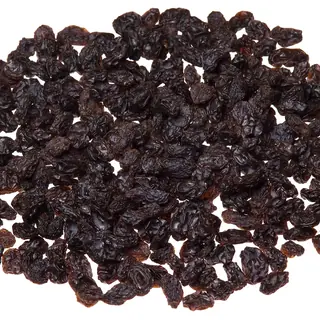
Raisin
4 shared dishes
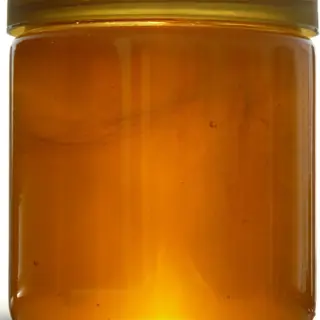
Honey
4 shared dishes
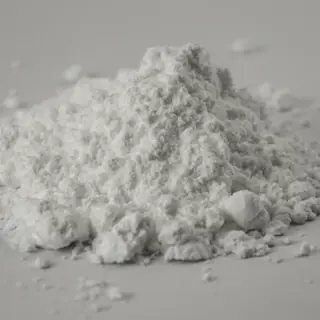
Powdered sugar
2 shared dishes
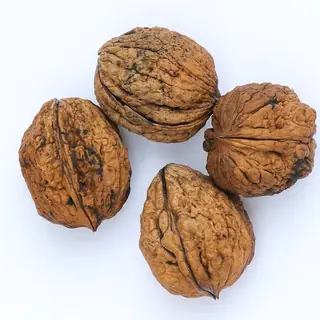
Walnut
2 shared dishes
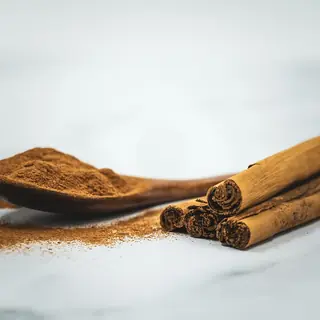
Cinnamon
4 shared dishes
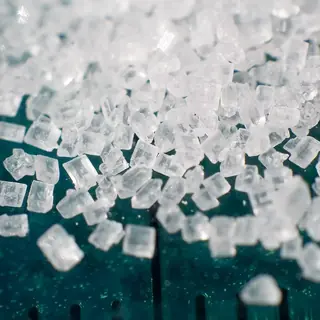
Sugar
8 shared dishes
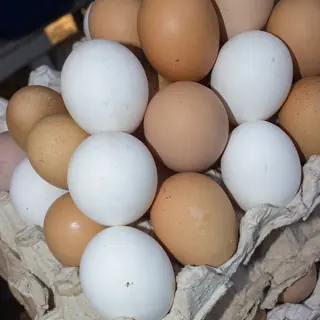
Egg
4 shared dishes
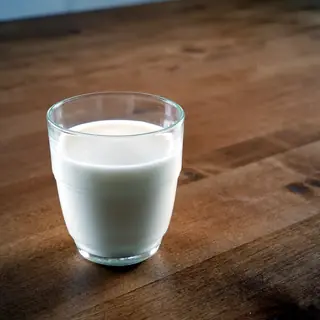
Milk
2 shared dishes
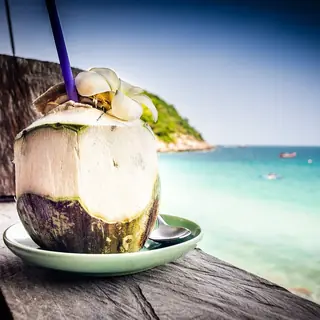
Coconut
2 shared dishes
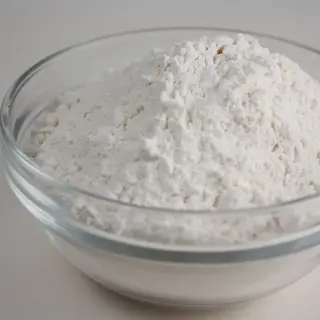
Wheat flour
2 shared dishes
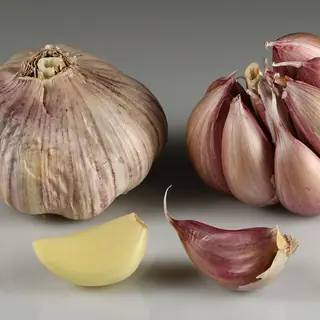
Garlic
3 shared dishes
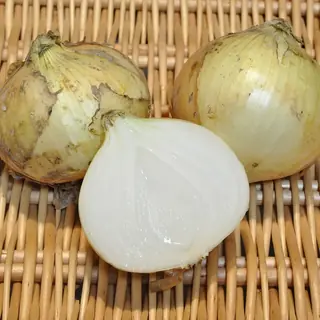
Onion
2 shared dishes
Photo credits for this page (12)
Powdered sugar: Ɱ · CC BY-SA 4.0 · Wikimedia Commons
Walnut: Lmbuga (Luis Miguel Bugallo Sánchez) · CC BY-SA 4.0 · Wikimedia Commons
Cinnamon: formulatehealth · CC BY 2.0 · Wikimedia Commons
Sugar: Lauri Andler (Phantom) · CC BY-SA 3.0 · Wikimedia Commons
Egg: Flixtey · CC BY-SA 4.0 · Wikimedia Commons
Milk: Santeri Viinamäki · CC BY-SA 4.0 · Wikimedia Commons
Coconut: Tom Ek · CC BY-SA 2.0 · Wikimedia Commons
Wheat flour: Veganbaking.net from USA · CC BY-SA 2.0 · Wikimedia Commons
Garlic: Ivar Leidus · CC BY-SA 4.0 · Wikimedia Commons


Around the world
What almond is called
Spanish
almendra
French
amande
Italian
mandorla
Portuguese
amêndoa
German
Mandel
Dutch
amandel · amandelen
Greek
Αμύγδαλο
Russian
миндаль · миндальный орех · орех миндаля · мигдаль
Polish
migdał · migdały
Arabic
لوز
Hebrew
שקד
Chinese
大杏仁
Show all 54 languages
Albanian
Bajamet
Amharic
አልመንድ
Asturian
Almendra
Basque
arbendol · almendra
Belarusian
міндаль · міндальна арэх · мігдаль
Belarusian (Taraskievica orthography)
мігдал
Cantonese
大杏仁
Catalan
ametlla
Corsican
Amandula
Czech
mandle
Danish
mandel
Egyptian Arabic
لوز
Esperanto
migdalo
Estonian
Mandel · Mandlid (kokandus)
Extremaduran
Cascavel
Finnish
manteli
Galician
améndoa
Interlingua
amandola
Japanese
アーモンド · 生アーモンド
Kashmiri
بادام
Kazakh
Бадам жаңғағы
Latvian
mandeļe (rieksts) · mandeļrieksts · mandeļrieksti
Luxembourgish
Mandel
Nigerian Pidgin
ebelebö
Norwegian Bokmål
mandel
Norwegian Nynorsk
mandel
Occitan
Almendra
Odia
ବାଦାମ
Picard
Aminte
Romanian
migdală
Scots
Awmond
Sicilian
Mènnula
Slovak
Mandľa
Slovenian
mandelj
Swedish
mandel
Tatar
бәдәм җимеше
Traditional Chinese
杏仁
Tumbuka
mlozi
Ukrainian
мигдаль · мигдаль (горіх)
Venetian
Màndoła
Welsh
almon
Western Frisian
Mangel
Wu Chinese
扁桃仁
Zhuang
Makgai
Sources and credits
Data
- GlobeCooks editorial: descriptions, kitchen notes and classification, written by GlobeCooks from checked sources
- USDA FoodData Central (Foundation, SR Legacy): nutrition values (Public domain (US government work, CC0))
- Wikidata: names, classification and dishes (CC0 1.0)
- Wikimedia Commons: photos
- Wikipedia (English) (CC BY-SA 4.0)
Wikidata item: Q184357
Photos
Photo: Ivar Leidus · CC BY-SA 4.0 · Wikimedia Commons