Honey
Also called Mel
Honey is a sweetener that can have a grainy texture and citrus, floral, fruity, grassy, or nutty aromas. Cooks use it in baking and fermentation, and to sweeten foods.
- Category
- Sugars & sweeteners
- Texture
- Grainy
- Top country
- Morocco
- Dishes
- 11 in the catalogue
- Energy
- 304 kcal per 100 g


In the kitchen
How to use honey
Typical ways to cook or use it
- Bake
- Ferment
- Sweeten
Preparing it
Warm crystallized honey to make it liquid again.
Cooking with it
Honey darkens and caramelizes with enough heat, and can eventually burn. Heat crystallized honey evenly to avoid caramelizing spots. Limit heating time and temperature to help preserve flavor and aroma.
Flavour
Taste and texture
Aroma
- Citrus
- Floral
- Fruity
- Green grassy
- Nutty
Texture
- Grainy
Shopping
Choosing and storing honey
Choosing a good one
Fresh honey in a jar should look uniform rather than separated into layers.
Nutrition
What 100 g of honey holds
Protein 0%Fat 0%Carbohydrate 100%of the macronutrients by weight
| Energy | 304 kcal · 1,272 kJ |
|---|---|
| Protein | 0.3 g |
| Fat | 0 g |
| of which saturated | 0 g |
| Carbohydrate | 82 g |
| of which sugars | 82 g |
| Fibre | 0.2 g |
| Sodium | 4 mg |
| Cholesterol | 0 mg |
| Potassium | 52 mg |
|---|---|
| Calcium | 6 mg |
| Iron | 0.42 mg |
| Magnesium | 2 mg |
| Zinc | 0.22 mg |
| Vitamin C | 0.5 mg |
| Folate | 2 µg |
Source: USDA FoodData Central (food 169640), public domain. Minerals and vitamins are listed only where USDA measured a non-zero amount.
Around the world
Where honey is cooked
On the table
Dishes made with honey
Thiebou Yapp
Senegal
Pepernoot
Varena
Ukraine
Zhent
Central Asia
Mrouzia
Morocco
Chebakia
Tfaya
Morocco
Dish lists come from Wikidata; a dish counts when its recorded ingredients include honey.
Cooked together
Often cooked with honey
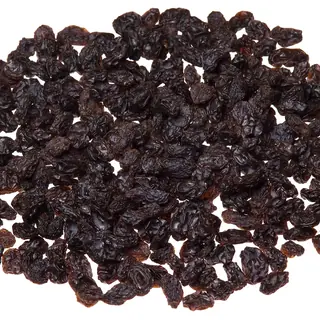
Raisin
3 shared dishes
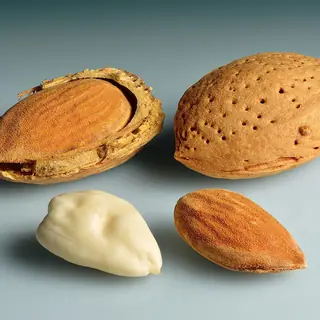
Almond
4 shared dishes
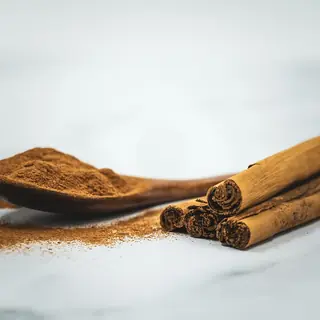
Cinnamon
3 shared dishes
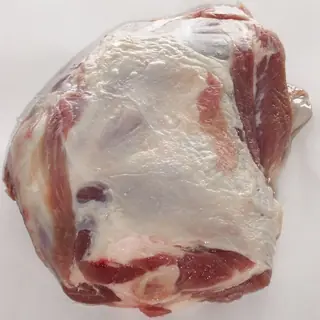
Lamb meat
2 shared dishes
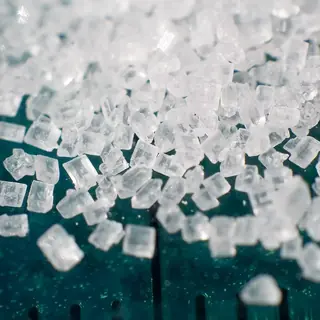
Sugar
3 shared dishes
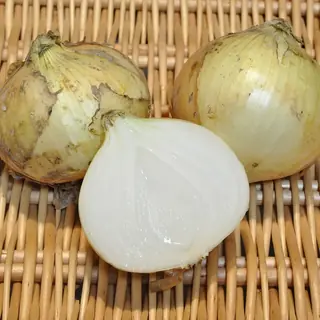
Onion
2 shared dishes
Photo credits for this page (6)
Almond: Ivar Leidus · CC BY-SA 4.0 · Wikimedia Commons
Cinnamon: formulatehealth · CC BY 2.0 · Wikimedia Commons
Lamb meat: Pujanak · Public domain · Wikimedia Commons
Sugar: Lauri Andler (Phantom) · CC BY-SA 3.0 · Wikimedia Commons


Around the world
What honey is called
Spanish
miel · miel de abejas
French
miel
Italian
miele
Portuguese
mel
German
Honig · Bienenhonig
Dutch
honing
Greek
μέλι
Turkish
bal
Russian
мёд · мед · пчелиный мёд
Polish
miód
Arabic
عسل · عسل النحل
Persian
عسل
Show all 233 languages
Abkhazian
ацха
Afrikaans
heuning
Akan
ɛwo
Albanian
mjalti
Amharic
ማር
Ancient Greek
μέλι
Aragonese
miel
Aramaic
ܕܒܫܐ
Armenian
մեղր
Aromanian
ñiari
Asturian
miel
Aymara
misk'i
azb
بال · عسل
Azerbaijani
bal
Balinese
madu
Bangla
মধু
Bashkir
бал
Basque
ezti
Bavarian
Heng
Belarusian
мёд
Belarusian (Taraskievica orthography)
мёд
Bhojpuri
मधु
Bikol
tangguli
Bosnian
med
Brazilian Portuguese
mel
Breton
mel
Bulgarian
пчелен мед
Buriat
бал
Burmese
ပျားရည်
Cantonese
蜜糖
Catalan
mel
Cebuano
Dugos
Central Atlas Tamazight
ⵜⴰⵎⵎⵏⵜ
Central Kurdish
ھەنگوین
Chechen
moz
Cherokee
ᏩᏚᎵᏏ
Cheyenne
háhnomápano'êhasëö
Chinese
蜂蜜
Church Slavic
мєдъ
Chuvash
пыл
Cornish
mel
Corsican
mele
Crimean Tatar
bal
Crimean Tatar (Latin)
bal
Croatian
med
Czech
med
dag
shiri
Danish
honning
Divehi
މާމުއި
Egyptian Arabic
عسل
Erzya
медь
Esperanto
mielo
Estonian
mesi
Ewe
anyitsi
Extremaduran
miel
Faroese
hunangur · hunang
Fiji Hindi
madh
Filipino
pulot
Finnish
hunaja
Frafra
seero
Friulian
mîl
Gagauz
bal
Galician
mel
Georgian
თაფლი
Goan Konkani
म्होंव
Gothic
𐌼𐌹𐌻𐌹𐌸
Guarani
eirete · eíra
Gujarati
મધુ
Haitian Creole
siwo
Hakka Chinese
phûng-thòng
Hausa
zuma · ƙudan zuma
Hawaiian
meli
Hebrew
דבש
Hindi
मधु
Hungarian
méz
hyw
մեղր
Iban
madu
Icelandic
hunang
Ido
mielo
Igbo
mmanụ anwụ
Iloko
diro
Indonesian
madu
Ingush
модз
Interlingua
melle
Interlingue
miel
Inuktitut
missuuttagaq
Irish
mil
isv
Мед
Japanese
蜂蜜
Javanese
madu
Kabyle
tamment
Kannada
ಜೇನು
Kanuri
kuri kǝman
Karachay-Balkar
бал
Kashmiri
ماچھ · تُلٕرِ ماچھ
Kazakh
ара балы
kge
modu
Khmer
ទឹកឃ្មុំ
Kinyarwanda
ubuki
Korean
벌꿀 · 꿀
Kurdish
hingiv
Kyrgyz
бал
Ladino
myél
Lao
ມະທຸ · ນ້ຳເຜີ້ງ
Latgalian
mads
Latin
mel
Latvian
medus
Lezghian
бирт
Ligurian
amê
Limburgish
honing
Lingala
mafúta ma nzói
Lingua Franca Nova
miel
Literary Chinese
蜂蜜
Lithuanian
medus
Lombard
mel
Low German
Honnig
Low Saxon
hoening · hunnig
Lower Sorbian
mjod
Luxembourgish
Hunneg
Macedonian
мед
Madurese
maddhu
Malagasy
tantely
Malay
madu
Malayalam
തേൻ
Maltese
għasel
Manchu
ᡥᡳᠪᠰᡠ
Manx
mill
Māori
honi · mīere
Marathi
मध
Mari
мӱй
mcn
múl yùm
Min Nan Chinese
phang-bi̍t
Minangkabau
madu · manisan labah
Mingrelian
თოფური
Moksha
медь
Mongolian
зөгийн бал
Mossi
siido
N’Ko
ߟߌ
nah
neuctli
Navajo
tsísʼná bitłʼizh
Neapolitan
mmiele
Nepali
मह
Newari
कस्ति
Nigerian Pidgin
oyin · honey
Northern Frisian
hönang
Northern Sami
miehta · honnet
Norwegian Bokmål
honning
Norwegian Nynorsk
honning
nrm
mié
Occitan
mèl
Odia
ମହୁ
Old English
hunig · huniȝ
olo
mezi
Oromo
damma
Ossetic
муд · мыд
Pashto
گبين
Piedmontese
amel
Punjabi
ਸ਼ਹਿਦ
Quechua
lachiwa misk'i
Romanian
miere · miere de albine
Romansh
mel
rsk
мед
Rundi
ubuki
ruq
m'ari
Rusyn
мед
Samogitian
medos
Sanskrit
मधु · मधु(मकरन्दः)
Sardinian
meli
Saterland Frisian
Huunich
Scots
hinnie
Scottish Gaelic
mil
Serbian
мед
Serbian (Cyrillic)
мед
Serbian (Latin)
med
Serbian (Latin)
med
Shona
huchi
Sicilian
meli
Silesian
miōd
Simplified Chinese
蜂蜜
Simplified Chinese (China)
蜂蜜
Sindhi
ماکي
Sinhala
මී පැණි
skr
ماکھی
Slovak
med
Slovenian
med
Somali
malab
Southern Sotho
cheso
Sranan Tongo
oni
Sundanese
madu
Swahili
asali
Swedish
honung
Swiss German
Honig
Swiss High German
Honig
Tachelhit
tammnt
Tajik
асал
Talysh
angivin
Tamil
தேன்
Tatar
бал
Telugu
తేనె
Tetum
bani-been
Thai
น้ำผึ้ง
Toki Pona
ko suwi pipi
Traditional Chinese
蜂蜜
Tulu
ಚೀಯೊ/ತಿಗ
Tumbuka
uchi
Turkmen
bal
Tyap
tong
Udmurt
чечы
Ukrainian
мед · мід · цукровий мед · зцукрення
Upper Sorbian
měd
Urdu
شہد · عسل · ماکھی
Uyghur
ھەسەل
Uzbek
asal
Venetian
miel
Veps
mezi
Vietnamese
mật ong
Volapük
miel
Walloon
låme
Waray
dugos
Welsh
mêl
West Flemish
zêem
Western Frisian
huning
Western Mari
mӱ
Western Panjabi
ماکھی · شہد
Wolof
lem
Wu Chinese
蜂蜜
Yakut
мүөт
Yiddish
האניג
Yoruba
oyin
Zaza
hıngımên
Zhuang
dangzrwi
Sources and credits
Data
- GlobeCooks editorial: descriptions, kitchen notes and classification, written by GlobeCooks from checked sources
- USDA FoodData Central (Foundation, SR Legacy): nutrition values (Public domain (US government work, CC0))
- Wikidata: names, classification and dishes (CC0 1.0)
- Wikimedia Commons: photos
Wikidata item: Q10987