Coconut
Cocos nuciferaAlso called cocoanut and coco nut
Coconut is a fruit sold whole. Its seed is soft and gelatinous when raw and can be eaten raw or used in baking.
- Plant-based
- Gluten-free
- No listed allergens
About the plain ingredient, not packaged products; general information, not medical advice. Details
- Category
- Fruit
- Part used
- Seed
- Family
- Arecaceae
- Texture
- Gelatinous, soft
- Top country
- Indonesia
- Dishes
- 61 in the catalogue
- Energy
- 354 kcal per 100 g

Photo: Tom Ek · CC BY-SA 2.0 · Wikimedia Commons

In the kitchen
How to use coconut
Typical ways to cook or use it
- Bake
- Raw
Preparing it
Mature coconut meat is tough; it can be grated and dried before use.
Flavour
Taste and texture
Texture, raw
- Gelatinous
- Soft
Shopping
Choosing and storing coconut
Keeping it
- Fridge · whole
- Counter · whole
- Sold as
- Whole
Nutrition
What 100 g of coconut holds
Protein 6%Fat 64%Carbohydrate 29%of the macronutrients by weight
| Energy | 354 kcal · 1,481 kJ |
|---|---|
| Protein | 3.3 g |
| Fat | 33 g |
| of which saturated | 30 g |
| Carbohydrate | 15 g |
| of which sugars | 6.2 g |
| Fibre | 9 g |
| Sodium | 20 mg |
| Cholesterol | 0 mg |
| Potassium | 356 mg |
|---|---|
| Calcium | 14 mg |
| Iron | 2.4 mg |
| Magnesium | 32 mg |
| Zinc | 1.1 mg |
| Vitamin C | 3.3 mg |
| Folate | 26 µg |
Source: USDA FoodData Central (food 170169), public domain. Minerals and vitamins are listed only where USDA measured a non-zero amount.
Around the world
Where coconut is cooked
Countries whose dishes use it most
- Indonesia 55
- Brunei 1
- India 1
- Madagascar 1
- Maldives 1
- Nigeria 1
- Palau 1
Counts are catalogued dishes from each country that list coconut among their ingredients.
Origins
- Native to
- Indonesia, Papua New Guinea, Philippines, Australia, Samoa, Solomon Islands, Tokelau, Tonga, Vanuatu
The 1500s · Mexico
Pacific coconuts reached Mexico on Manila galleons beginning in the 16th century.
The 1500s · Western Africa, Caribbean and Brazil
Portuguese ships carried Indo-Atlantic coconuts to West Africa, then the Caribbean and Brazil, beginning in the 16th century.
On the table
Dishes made with coconut
Kuwah Pliëk U
Indonesia
Maskurolhi
Maldives
Undhiyu
India
Bobozee
Nigeria
Koba
Madagascar
Fruit Bat Soup
Palau
Kuah beulangong
Indonesia
Spicy porridge
Indonesia
Timphan
Indonesia
Bika Ambon
Indonesia
Urap
Indonesia
Klappertaart
Indonesia
Manuk Napinadar
Indonesia
Boh puniaram
Indonesia
Kuwah eungkôt yèe
Indonesia
Manuk labakh
Indonesia
Dadar gulung
Indonesia
Balungan hayam
Indonesia
Nagasari
Indonesia
Pais
Indonesia
Putri noong
Indonesia
Serundeng
Indonesia
Botok
Indonesia
Cenil
Indonesia
Ketan sarikaya
Indonesia
Lentho
Indonesia
Onde-onde
Indonesia
Pukis
Indonesia
Tasak telu
Indonesia
Tetal
Indonesia
Buah jingah
Indonesia
Es doger
Indonesia
Katirisala
Indonesia
Lapek sagan
Indonesia
Lupis
Indonesia
Ampas Tarigu
Indonesia
Boiled jengkol
Indonesia
Buffalo satay, kudus
Indonesia
Jaring beras
Indonesia
Amparan tatak
Indonesia
Bika
Indonesia
Garigit
Indonesia
Getas
Indonesia
Kakicak
Indonesia
Lapek bugih
Indonesia
Ongol-ongol
Indonesia
Pohulpohul
Indonesia
Putu ambung
Indonesia
Dish lists come from Wikidata; a dish counts when its recorded ingredients include coconut.
Good to know
Diet and allergens: coconut in detail
- Allergens
- None of the 15 listed allergens foundChecked and not found: soy, eggs, fish, milk, lupin, wheat, celery, sesame, mustard, peanuts, molluscs, sulphites, tree nuts, crustaceans, gluten cereals.
- Animal origin
- No animal ingredients foundChecked and not found: egg, fish, meat, dairy, honey, insect, gelatin, poultry, bone char, shellfish, other animal, animal fining, animal rennet.
- Gluten
- None
- Alcohol
- None
- Caffeine
- None
- Pork
- None
Family
Related forms
- A kind of
- fruit
- Made from it
- coconut milk (extracted), coconut oil (extracted)
Cooked together
Often cooked with coconut
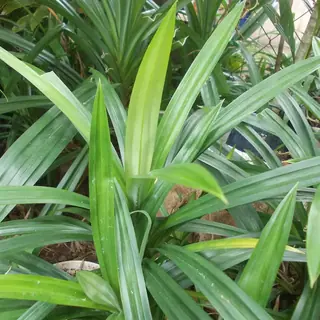
Pandan leaf
14 shared dishes

Palm sugar
18 shared dishes
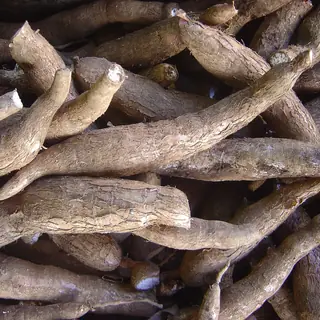
Cassava root
10 shared dishes
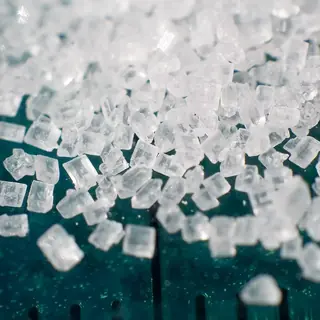
Sugar
21 shared dishes

Table salt
30 shared dishes
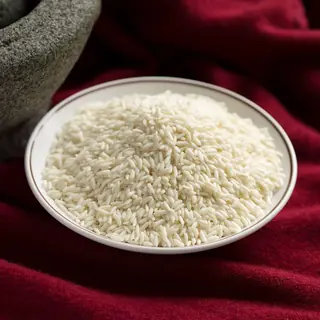
Glutinous rice
9 shared dishes
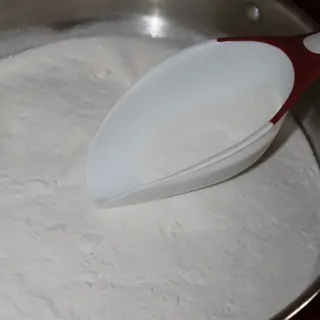
Rice flour
11 shared dishes
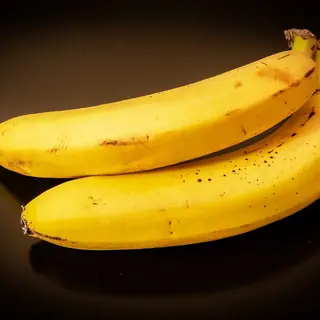
Banana
6 shared dishes
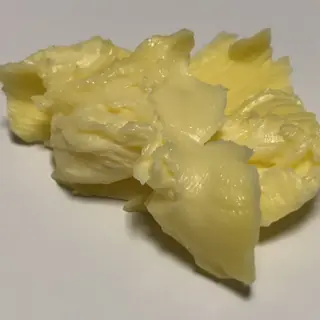
Margarine
5 shared dishes
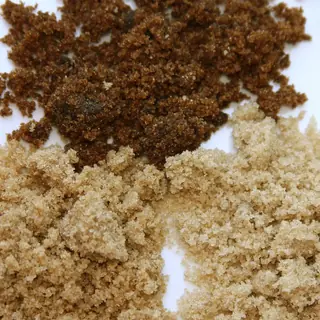
Brown sugar
5 shared dishes
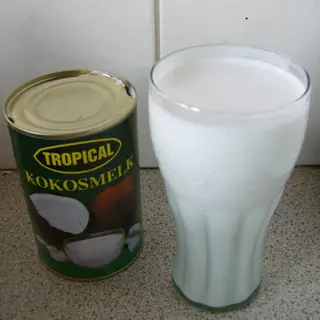
Coconut milk
13 shared dishes
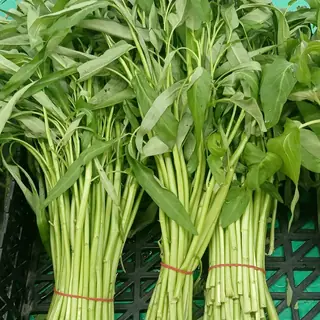
Water spinach
3 shared dishes
Photo credits for this page (12)
Cassava root: David Monniaux · CC BY-SA 3.0 · Wikimedia Commons
Sugar: Lauri Andler (Phantom) · CC BY-SA 3.0 · Wikimedia Commons
Table salt: Dubravko Sorić SoraZG on Flickr · CC BY 2.0 · Wikimedia Commons
Glutinous rice: Takeaway · CC BY-SA 4.0 · Wikimedia Commons
Rice flour: Nithyasrm · CC BY-SA 4.0 · Wikimedia Commons
Banana: Krzysztof Golik · CC BY-SA 4.0 · Wikimedia Commons
Margarine: Famartin · CC BY-SA 4.0 · Wikimedia Commons
Brown sugar: Moe Rubenzahl · CC BY-SA 4.0 · Wikimedia Commons
Coconut milk: Meursault2004 · CC BY-SA 3.0 · Wikimedia Commons
Water spinach: Fumikas Sagisavas · CC0 1.0 · Wikimedia Commons


Around the world
What coconut is called
Spanish
coco · coco (nuez) · nuez de coco · fruto del cocotero
French
noix de coco · fruit du cocotier · noix de coco générique
Italian
noce di cocco · cocco
Portuguese
coco · fruto do coqueiro
German
Kokosnuss · Kokos · Cocos
Dutch
kokosnoot · Klapperwater
Turkish
hindistan cevizi
Russian
кокос · кокосовый орех · кокос (орех)
Polish
orzech kokosowy · kokos
Arabic
جوزة الهند · جوز الهند · نارجيل
Hebrew
קוקוס
Hindi
नारियल
Show all 82 languages
Akan
kube
Albanian
arrë kokosi
Aragonese
coco
Armenian
կոկոս
Assamese
নাৰিকল
Asturian
cocu
Azerbaijani
kokos
Bangla
নারকেল
Basque
koko
Belarusian (Taraskievica orthography)
какос
Brazilian Portuguese
coco · fruto do coqueiro · coco da bahia
Breton
kraoñ-kokoz
Bulgarian
кокосов орех
Burmese
အုန်းပင်
Catalan
coco
Cebuano
lubi
Central Dusun
piasau
Chinese
椰子
Czech
kokosový ořech · kokos
dag
kpaakpa
Danish
kokosnød
Egyptian Arabic
جوزهند
Esperanto
kokosnukso · kokoso
Estonian
kookospähkel · kookospähklid
Ewe
eneh
Filipino
Coconut
Finnish
kookospähkinä
Fon
agɔnkɛ
Galician
coco · coco (drupa)
Gan Chinese (Simplified)
椰子
Georgian
ქოქოსი
Hausa
kwa-kwa
Hungarian
kókuszdió · kókusz
Indonesian
kelapa
Irish
cnó cócó
Japanese
ココナッツ · ココナツ
Javanese
klapa · krambil
Kannada
ತೆಂಗಿನಕಾಯಿ · ತೆಂಗಿನಕಾಯಿ ಹಣ್ಣು
Kashmiri
کھوٗپرٕ
Kazakh
кокос
Korean
코코넛
Lithuanian
kokosas · kokoso riešutas
Lojban
rutrkoko
Macedonian
кокосов орев
Maithili
नारियल · नारियर
Malagasy
voaniho · vanio · voanio
Malay
kelapa · nyiur · buah kelapa · buah nyiur
Malayalam
തേങ്ങ · ഞൊങ്ങ് · നാളികേരം
Māori
kokonati · kokonata
Minangkabau
kalapo · karambia · kambia · karambie
Nepali
नरिवल
Nias
banio · sekhula
Northern Sami
kokos
Norwegian Bokmål
kokosnøtt
Norwegian Nynorsk
kokosnøtt
Obolo
Ichip ebeke
Occitan
còco
Odia
ନଡ଼ିଆ · ନଡ଼ିଆ ଫଳ
Romanian
nucă de cocos
Scottish Gaelic
cnò-chòco
Simplified Chinese
椰子
Simplified Chinese (China)
椰子
Skolt Sami
kookos
Slovenian
kokosov oreh · kokos
Swahili
nazi
Swedish
kokosnöt
Tajik
Норгил
Tamil
தேங்காய்
Traditional Chinese
椰子
Traditional Chinese (Taiwan)
椰子
Tulu
ಬೊಂಡ · ತಾರಾಯಿ
Ukrainian
кокос
Vietnamese
quả dừa · dừa · trái dừa
Welsh
cneuen goco
Zhuang
makyehswj
Sources and credits
Data
- GlobeCooks editorial: descriptions, kitchen notes and classification, written by GlobeCooks from checked sources
- USDA FoodData Central (Foundation, SR Legacy): nutrition values (Public domain (US government work, CC0))
- Wikidata: names, classification and dishes (CC0 1.0)
- Wikimedia Commons: photos
- Wikipedia (English) (CC BY-SA 4.0)
Wikidata item: Q3342808
Photos
Photo: Tom Ek · CC BY-SA 2.0 · Wikimedia Commons