Dough
Bread dough is made with flour and can include water, yeast, milk, salt, eggs, sugar, baking powder, or baking soda. Cooks bake, boil, simmer, steam, or stuff it.
- May contain egg
- May contain dairy
- May contain milk
About the plain ingredient, not packaged products; general information, not medical advice. Details
- Category
- Breads & baking
- Top country
- Türkiye
- Dishes
- 22 in the catalogue


In the kitchen
How to use dough
Typical ways to cook or use it
- Bake
- Boil simmer
- Steam
- Stuff
Made from
- flour
- water (sometimes)
- yeast (sometimes)
- milk (sometimes)
- table salt (sometimes)
- egg (sometimes)
- sugar (sometimes)
- baking powder (sometimes)
- sodium bicarbonate (sometimes)
Cooking with it
Yeast needs a suitable temperature to develop; rising for too short or too long also affects the result.
Around the world
Where dough is cooked
Dishes by continent
On the table
Dishes made with dough
Oromo
Kyrgyzstan
Achma
Georgia
Babuko
Türkiye
Salteña
Bolivia
Acewwaḍ
Algeria
Mandrykas
Ukraine
Obwarzanek krakowski
Poland
Torpedo dessert
Bulgaria, Türkiye
Kvrguša
Bosnia and Herzegovina
Lokma
Egypt, Greece, Iraq, Syria, Türkiye
Darnitsa bread
Russia, Ukraine
Mandu
Sütlü Nuriye
Türkiye
Lashka
Kibinai
Lahmacun
Ginger cake
Dish lists come from Wikidata; a dish counts when its recorded ingredients include dough.
Good to know
Diet and allergens: dough in detail
- Allergens
- Sometimes eggs (only when the optional ingredient is used)Sometimes milk (only when the optional ingredient is used)
- Animal origin
- Sometimes egg (only when the optional ingredient is used)Sometimes dairy (only when the optional ingredient is used)
Cooked together
Often cooked with dough
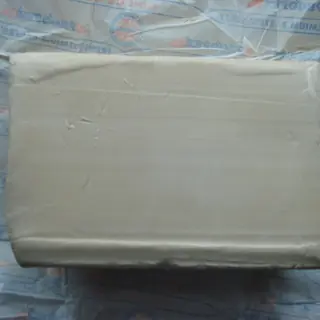
Baker's yeast
2 shared dishes
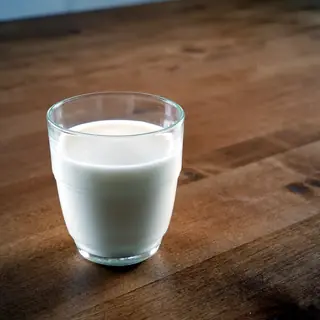
Milk
3 shared dishes
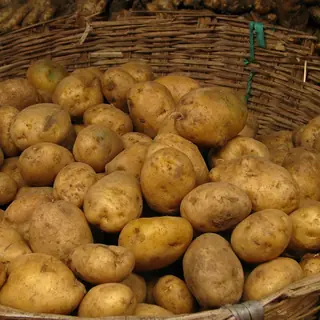
Potato
3 shared dishes
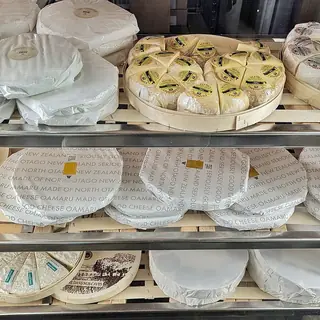
Cheese
2 shared dishes
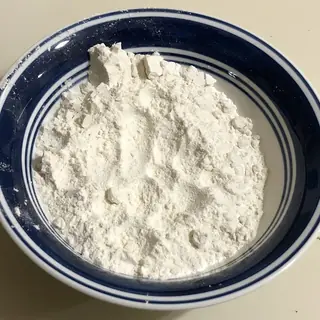
Flour
2 shared dishes
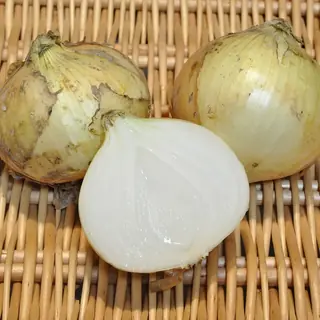
Onion
2 shared dishes
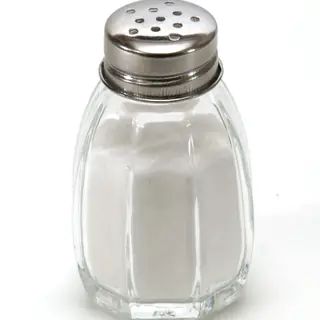
Table salt
2 shared dishes
Photo credits for this page (7)
Baker's yeast: ElinorD · CC BY-SA 3.0 · Wikimedia Commons
Milk: Santeri Viinamäki · CC BY-SA 4.0 · Wikimedia Commons
Potato: McKay Savage from London, UK · CC BY 2.0 · Wikimedia Commons
Flour: Famartin · CC BY-SA 4.0 · Wikimedia Commons
Table salt: Dubravko Sorić SoraZG on Flickr · CC BY 2.0 · Wikimedia Commons


Around the world
What dough is called
Spanish
masa · pasta de pan
French
pâte · pâte levée · pate · pâtes
Italian
impasto · pasta
Portuguese
massa
German
Teig
Dutch
deeg · deegwaar
Greek
ζύμη
Turkish
hamur
Russian
тесто
Polish
ciasto
Arabic
عجينة خبز · عجين · عجينه خبز · عجينة
Persian
خمیر
Show all 91 languages
Akan
mori
Albanian
brumi
Aragonese
Masa (alimento)
Armenian
խմոր
Asturian
masa
Azerbaijani
xəmir
Bangla
মাখা ময়দার তাল · ময়দার তাল · ময়দার লেচি · ময়দার লেই
Bashkir
ҡамыр
Basque
ore
Bavarian
Doag · Teig
Belarusian
цеста
Belarusian (Taraskievica orthography)
цеста
Betawi
adonan
Breton
toaz
Bulgarian
тесто
Cantonese
麪團
Catalan
massa
Chechen
bod · Бод
Chinese
麵團 · 麵粉團 · 面团 · 麵糰
Chuvash
чуста
Cornish
toos
Croatian
tijesto
Czech
těsto
Danish
dej · mørdej · linsedej · wienerbrødsdej
Esperanto
pasto
Estonian
taigen
Ewe
ayma
Filipino
tapay
Finnish
taikina
Galician
masa
Georgian
ცომი
Haitian Creole
pat
Hebrew
בצק
Hungarian
nyers tészta · tészta
hyw
Խմոր
Icelandic
deig
Ido
pasto
Indonesian
adonan
Irish
taos
Japanese
パン生地 · 麺生地 · ドウ · 生地
Javanese
adhonan
Kannada
ಕಣಕ
Kazakh
қамыр
Kazakh (Arabic)
قامىر
Kazakh (China)
قامىر
Kazakh (Cyrillic)
қамыр
Kazakh (Kazakhstan)
қамыр
Kazakh (Latin)
qamır
Kazakh (Türkiye)
qamır
Kikuyu
Mũkinyai
Korean
반죽
Kurdish
hevîr
Kurdish (Latin)
hevîr
Kyrgyz
Камыр
Latgalian
meikle
Latvian
mīkla
Lithuanian
tešla
Low German
Deeg
Luxembourgish
Deeg
Macedonian
тесто
Malay
doh
Min Nan Chinese
Mī-chhè · Mī-chhòe
Nepali
आटा
Norwegian Bokmål
deig
Norwegian Nynorsk
deig
Quechua
sankhu · aanku
rmf
deȟȟos
Romanian
blat
Romanian
aluat · cocă
Samogitian
tešla
Serbian
тесто
Simplified Chinese
生面团
Simplified Chinese (China)
生面团
Simplified Chinese (Singapore)
生面团
Slovak
cesto
Slovenian
testo
Swahili
kinyunga
Swedish
deg
Tajik
хамир
Tajik (Latin)
xamir
Tamil
பிசைந்த மாவு
Tatar
камыр
Tatar (Cyrillic)
камыр
Thai
โด
Traditional Chinese
麵團
Traditional Chinese (Hong Kong SAR China)
生麵團
Traditional Chinese (Taiwan)
生麵團
Ukrainian
тісто
Urdu
گوندها ہوا آٹا
Uzbek
xamir
Vietnamese
bột nhão
Walloon
påsse · mwairon · bolot
Welsh
toes
Wu Chinese
生面团
Yiddish
טייג
Sources and credits
Data
- GlobeCooks editorial: descriptions, kitchen notes and classification, written by GlobeCooks from checked sources
- Wikidata: names, classification and dishes (CC0 1.0)
- Wikimedia Commons: photos
Wikidata item: Q178024