Yeast
Yeast is a leavener sold dried or fresh. Cooks use it to ferment, leaven, and season foods.
- Category
- Breads & baking
- Top country
- Indonesia
- Dishes
- 5 in the catalogue

Photo: Shliphmash · Public domain · Wikimedia Commons
In the kitchen
How to use yeast
Typical ways to cook or use it
- Ferment
- Leaven
- Season
Preparing it
Test yeast viability using a weak sugar-water solution.
Cooking with it
Baking kills the yeast as the gas pockets in the dough set. Avoid letting dough rise too long initially, or it may not rise later.
Shopping
Choosing and storing yeast
- Sold as
- Dried, Fresh
Around the world
Where yeast is cooked
Countries whose dishes use it most
Counts are catalogued dishes from each country that list yeast among their ingredients.
Origins
1825
A method was developed to make solid yeast blocks by removing liquid.
On the table
Dishes made with yeast
Eiernockerl
Austria
Brussels waffle
Belgium
Topi waja
Indonesia
Tapai singkong
Indonesia
Tempe Gembus
Indonesia
Dish lists come from Wikidata; a dish counts when its recorded ingredients include yeast.
Family
Related forms
- Kinds
- baker's yeast
Cooked together
Often cooked with yeast
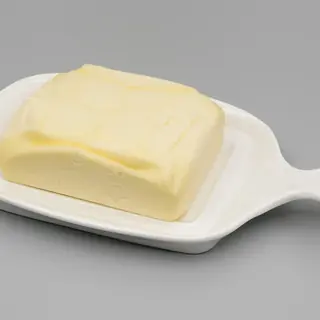
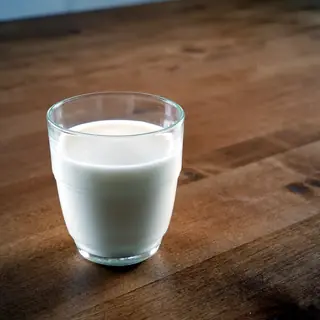
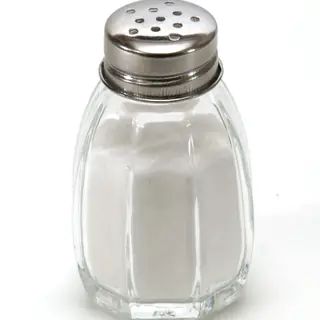
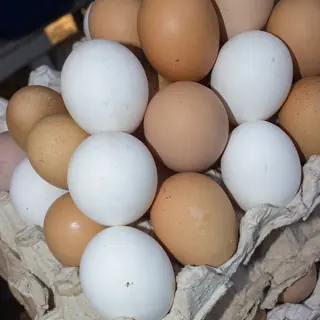

Photo credits for this page (4)
Butter: Jacek Halicki · CC BY-SA 4.0 · Wikimedia Commons
Milk: Santeri Viinamäki · CC BY-SA 4.0 · Wikimedia Commons
Table salt: Dubravko Sorić SoraZG on Flickr · CC BY 2.0 · Wikimedia Commons
Egg: Flixtey · CC BY-SA 4.0 · Wikimedia Commons


Around the world
What yeast is called
Spanish
levadura · levaduras
French
levure · levures
Italian
lievito · Lieviti · lievitazione
Portuguese
levedura · fermento de padeiro · levedo de cerveja · fermento
German
Hefen · Hefezelle · Hefepilz · Sprosspilz
Dutch
gist · Gistcellen
Greek
ζυμομύκητες · βλαστομύκητες · ζύμες · μαγιά
Turkish
maya · Maya mantarı
Russian
дрожжи · хересные дрожжи · дрожжевые грибы
Polish
drożdże
Arabic
خميرة · الخميرة · خميره
Persian
مخمر · خمیر ترش · خمیرترش
Show all 118 languages
Afrikaans
gis
Albanian
Majaja
Amharic
እርሾ
Aragonese
levaduras
Armenian
խմորասնկեր
Asturian
lleldu · llevadura · formientu
Awadhi
खमीर
Azerbaijani
maya göbələyi
Bangla
ঈস্ট
Basaa
bɛɖɛɛ̀-dyaíǹ-ɖɛ̀
Bashkir
сүпрә бәшмәктәре
Basque
legamia · legami
Bavarian
Germ · Hefe · Geam · Hepfa
Belarusian
дрожджы
Belarusian (Taraskievica orthography)
дрожджы
Bikol
Yeast
Bosnian
kvasci
Brazilian Portuguese
levedura
Breton
goell
Bulgarian
дрожди · Хлебна мая · Квасна гъбичка
Burmese
တဆေး
Cantonese
依士 · 酵母菌 · 酒餅 · 酵母
Catalan
rent · llevat natural · llevats · llevat
Central Kurdish
ترشێنە
Chechen
совсорг
Chinese
酵母 · 酵母菌 · 酵
Chuvash
çĕпре
Croatian
kvasac · Kvaščeve gljivice · Kvasci
Czech
kvasinky · kvasinka
Danish
gærsvamp · Gær · Gærsvampe · Saccharomyces cerevisiae
Egyptian Arabic
خميره
Erzya
Оргат
Esperanto
gisto
Estonian
pärmseened · Pärmid · Pärmseen
Extremaduran
lua · Lúdia · Leua · Ludia
Finnish
hiiva · hiivasieni · hiivat
Galician
lévedo · Fermento
Georgian
საფუარები
Hausa
Yis
Hebrew
שמרים · שמר
Hindi
खमीर · प्रकिण्व · ईस्ट · यीस्ट
Hungarian
élesztő
Icelandic
ger
Ido
hefo
Inari Sami
hijvá
Indonesian
khamir · Yeast
Interlingua
Levatura
Irish
giosta
Japanese
酵母 · コウボ · イースト菌 · 酵母菌
Javanese
khamir
Kabyle
tamtunt
Kannada
ಯೀಸ್ಟ್
Kazakh
ашытқылар
Korean
효모 · 효모균 · 뜸팡이
Kurdish
meya
Kyrgyz
ачыткы козу карындар
Latgalian
mīlis
Latin
levadura
Latvian
raugs
Lingua Franca Nova
fermento
Lithuanian
mielės
Lombard
leàt · Levaa
Lule Sami
jiessta
Macedonian
квасец · квасеци
Malay
Yis · Ragi
Malayalam
യീസ്റ്റ് · Yeast
Marathi
किण्व
Min Nan Chinese
Kàⁿ-bú
Minangkabau
ragi
Nepali
मर्चा
Northern Sami
jeasta · jiesta
Norwegian Bokmål
gjær · Saccharomycetes · Gjærsopp
Norwegian Nynorsk
gjær · Gjæra · Jest · Jester
Occitan
levadura
Oromo
Raacitii
Punjabi
ਖ਼ਮੀਰ
Quechua
qunchu · Levadura
Romanian
drojdie · drojdiile de bere · drojdii
rsk
Квас
Scots
baurm
Scottish Gaelic
beirm
Serbian
квасац
Serbian (Latin)
kvasac
Shan
ၸိူဝ်ႉပႅင်ႈ · ပႅင်ႈ
Shona
mbiriso
Sicilian
lèvitu · Criscenti
Sindhi
خميري اٽو
Skolt Sami
jäʹstt
Slovak
kvasinky · kvasinka
Slovenian
kvas · Kvasovka · Kvasovke
Southern Sami
jeestere
Swahili
hamira
Swedish
jäst · torrjäst · jästsvampar
Tamil
மதுவம்
Tatar
чүпрә · ачыткы
Thai
ยีสต์ · ส่าเหล้า · ยีสท์
Traditional Chinese (Taiwan)
酵母
Tumbuka
cotupiska
Tunisian Arabic (Arabic)
خميرة
Tunisian Arabic (Latin)
5mira
Ukrainian
дріжджі
Urdu
خمیر
Uyghur
ئېچىتقۇ
Vietnamese
nấm men · Men
Walloon
yesse · Leye · Levure · Yesses
Waray
libadura
Welsh
burum
Western Frisian
gêst
Wu Chinese
酵母
Yiddish
הייוון · ייסט · יעסט · יוסט
Sources and credits
Data
- GlobeCooks editorial: descriptions, kitchen notes and classification, written by GlobeCooks from checked sources
- Wikidata: names, classification and dishes (CC0 1.0)
- Wikimedia Commons: photos
- Wikipedia (English) (CC BY-SA 4.0)
Wikidata item: Q45422
Photos
Photo: Shliphmash · Public domain · Wikimedia Commons