Olive
Olea europaea
An olive is a fruit that tastes bitter when raw. Cooks cure or ferment olives.
- Plant-based
- Gluten-free
- No listed allergens
About the plain ingredient, not packaged products; general information, not medical advice. Details
- Category
- Fruit
- Part used
- Fruit
- Family
- Oleaceae
- Cooked most in
- Europe, The Americas, Asia
- Top country
- France
- Dishes
- 11 in the catalogue
- Energy
- 116 kcal per 100 g

Photo: Juan Emilio Prades Bel · CC BY 4.0 · Wikimedia Commons

In the kitchen
How to use olive
Typical ways to cook or use it
- Cure
- Ferment
Preparing it
Cure and ferment raw olives to reduce their bitterness. Curing options include lye, brine and packing in salt.
Flavour
Taste and texture
Taste, raw profile of olive
Nutrition
What 100 g of olive holds
Protein 5%Fat 61%Carbohydrate 34%of the macronutrients by weight
| Energy | 116 kcal · 485 kJ |
|---|---|
| Protein | 0.84 g |
| Fat | 11 g |
| of which saturated | 2.3 g |
| Carbohydrate | 6 g |
| of which sugars | 0 g |
| Fibre | 1.6 g |
| Sodium | 735 mg |
| Cholesterol | 0 mg |
| Potassium | 8 mg |
|---|---|
| Calcium | 88 mg |
| Iron | 6.3 mg |
| Magnesium | 4 mg |
| Zinc | 0.22 mg |
| Vitamin C | 0.9 mg |
| Vitamin A (RAE) | 17 µg |
Source: USDA FoodData Central (food 169094), public domain. Minerals and vitamins are listed only where USDA measured a non-zero amount.
Around the world
Where olive is cooked
Dishes by continent
Countries whose dishes use it most
- France 2
- Italy 2
- Argentina 1
- Iran 1
- Spain 1
- Venezuela 1
Counts are catalogued dishes from each country that list olive among their ingredients.
Origins
- First cultivated
- -6000/-4000
The 1700s · Americas
Spanish colonists introduced the olive to the Americas.
1908 · Japan
Olive trees were introduced to Shodo Island in Japan.
On the table
Dishes made with olive
Hallaca
Venezuela
Sardenaira
Italy
Esqueixada
Spain
Gilda
Petatou
France
Argentinian pizza
Argentina
Zeytoon parvardeh
Iran
Pizzarello
Italy
Dish lists come from Wikidata; a dish counts when its recorded ingredients include olive.
Good to know
Diet and allergens: olive in detail
- Allergens
- None of the 15 listed allergens foundChecked and not found: soy, eggs, fish, milk, lupin, wheat, celery, sesame, mustard, peanuts, molluscs, sulphites, tree nuts, crustaceans, gluten cereals.
- Animal origin
- No animal ingredients foundChecked and not found: egg, fish, meat, dairy, honey, insect, gelatin, poultry, bone char, shellfish, other animal, animal fining, animal rennet.
- Gluten
- None
- Alcohol
- None
- Caffeine
- None
- Pork
- None
Family
Related forms
- Made from it
- olive oil (extracted, pressed)
Cooked together
Often cooked with olive
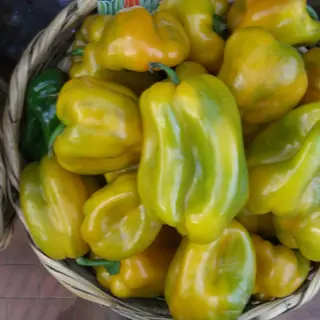
Bell pepper
2 shared dishes
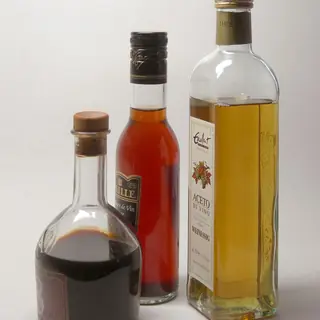
Vinegar
2 shared dishes
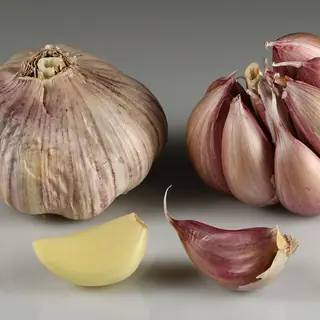
Garlic
5 shared dishes
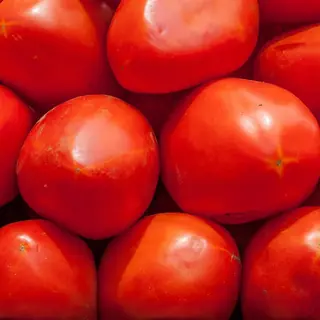
Tomato
2 shared dishes
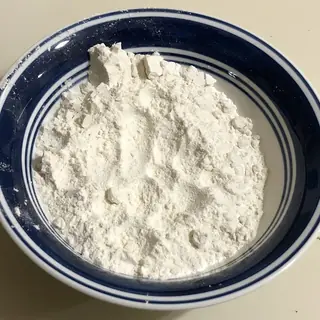
Flour
2 shared dishes
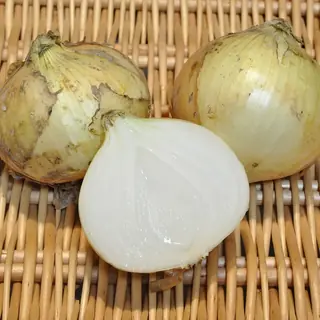
Onion
3 shared dishes
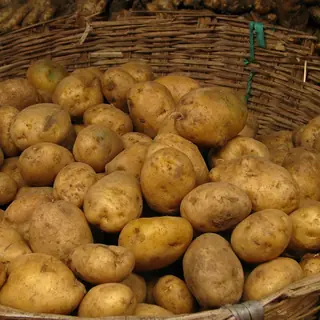
Potato
2 shared dishes
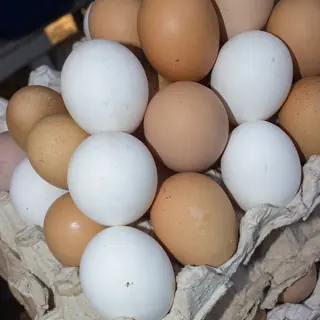
Egg
2 shared dishes
Photo credits for this page (8)
Bell pepper: Ssilvestori at English Wikipedia · CC BY-SA 3.0 · Wikimedia Commons
Vinegar: Rainer Zenz · CC BY-SA 3.0 · Wikimedia Commons
Garlic: Ivar Leidus · CC BY-SA 4.0 · Wikimedia Commons
Flour: Famartin · CC BY-SA 4.0 · Wikimedia Commons
Potato: McKay Savage from London, UK · CC BY 2.0 · Wikimedia Commons
Egg: Flixtey · CC BY-SA 4.0 · Wikimedia Commons


Around the world
What olive is called
Spanish
oliva · aceituna
French
olive · olives
Italian
oliva · Olive nere · Olive
Portuguese
azeitona · Azeitonas de Sal
German
Olive
Dutch
olijf
Greek
καρπός ελιάς
Turkish
zeytin
Russian
оливка · оливки · маслина
Polish
oliwka
Arabic
زيتون
Persian
زیتون
Show all 62 languages
Albanian
ulli
Aragonese
Oliva
Asturian
aceituna
Bangla
জয়তুন · যয়তুন
Basque
oliba
Breton
olivez
Bulgarian
маслина
Catalan
oliva · Olives
Chinese
橄榄 · 橄榄果 · 齐墩果
Czech
oliva · olivy
Egyptian Arabic
زتون
Esperanto
olivo
Estonian
Oliiv
Extremaduran
Azituna
Finnish
oliivi
Galician
oliva
Guarani
Tarumaite'a
Haitian Creole
zoliv
Hebrew
זית · פרי הזית
Hungarian
olajbogyó · olívabogyó · olíva gyümölcs · olíva
Interlingua
Oliva
Irish
ológ
Japanese
オリーブ · オリーブの実
Kabyle
Azemmur
Korean
올리브
Latvian
olīvas · olīves
Lingala
Olive
Macedonian
маслинка
Maltese
żebbuġa
Manchu
ᡶᡳᡴᠠ
Māori
ōriwa
nah
Chiyāhualōtl
Neapolitan
Auliva
Norwegian Bokmål
oliven
Norwegian Nynorsk
oliven · olivenfrukt
Occitan
Oliva
Quechua
Asitunas · Aceitunas · Aceituna · Asituna
Romanian
măslină
Rusyn
Олива
Sicilian
Aliva · Oliva
Simplified Chinese
橄榄
Slovak
oliva · olivy
Slovenian
oljka · oliva · maslina
Swahili
Zeituni
Swedish
oliv · oliver
Tatar
зәйтүн
Tatar (Cyrillic)
зәйтүн
Tibetan
རྒྱ་ཨར།
Traditional Chinese
橄欖
Tunisian Arabic (Arabic)
زيتون
Ukrainian
маслина (плід)
Upper Sorbian
oliwa · oliwy · wolijowka
Võro
Oliiv
Sources and credits
Data
- GlobeCooks editorial: descriptions, kitchen notes and classification, written by GlobeCooks from checked sources
- USDA FoodData Central (Foundation, SR Legacy): nutrition values (Public domain (US government work, CC0))
- Wikidata: names, classification and dishes (CC0 1.0)
- Wikimedia Commons: photos
- Wikipedia (English) (CC BY-SA 4.0)
Wikidata item: Q1621080
Photos
Photo: Juan Emilio Prades Bel · CC BY 4.0 · Wikimedia Commons