Chives
Allium schoenoprasumAlso called allium schoenoprasum, cives and Spanish garlic
Chives are a soft herb sold fresh. Cooks use the buds, flowers, leaves and stems to season or garnish dishes, and pair them with cream cheese or quark.
- Plant-based
- Gluten-free
- No listed allergens
About the plain ingredient, not packaged products; general information, not medical advice. Details
- Category
- Herbs & spices
- Part used
- Bud, flower, leaf, stem
- Family
- Amaryllidaceae
- Texture
- Soft
- Top country
- Indonesia
- Dishes
- 5 in the catalogue
- Energy
- 30 kcal per 100 g

Photo: Anna (bc anna) · CC BY 2.0 · Wikimedia Commons

In the kitchen
How to use chives
Typical ways to cook or use it
- Garnish
- Season
Preparing it
Dice the scapes and unopened flower buds for use in dishes.
Goes well with
- cream cheese
- quark
Flavour
Taste and texture
Texture
- Soft
Shopping
Choosing and storing chives
- Sold as
- Fresh
Nutrition
What 100 g of chives holds
Protein 39%Fat 9%Carbohydrate 52%of the macronutrients by weight
| Energy | 30 kcal · 126 kJ |
|---|---|
| Protein | 3.3 g |
| Fat | 0.73 g |
| of which saturated | 0.15 g |
| Carbohydrate | 4.4 g |
| of which sugars | 1.9 g |
| Fibre | 2.5 g |
| Sodium | 3 mg |
| Cholesterol | 0 mg |
| Potassium | 296 mg |
|---|---|
| Calcium | 92 mg |
| Iron | 1.6 mg |
| Magnesium | 42 mg |
| Zinc | 0.56 mg |
| Vitamin C | 58 mg |
| Vitamin A (RAE) | 218 µg |
| Folate | 105 µg |
Dried
Protein 24%Fat 4%Carbohydrate 72%of the macronutrients by weight
| Energy | 311 kcal · 1,301 kJ |
|---|---|
| Protein | 21 g |
| Fat | 3.5 g |
| of which saturated | 0.59 g |
| Carbohydrate | 64 g |
| Fibre | 26 g |
| Sodium | 70 mg |
| Cholesterol | 0 mg |
| Potassium | 2,960 mg |
|---|---|
| Calcium | 813 mg |
| Iron | 20 mg |
| Magnesium | 640 mg |
| Zinc | 5.1 mg |
| Vitamin C | 660 mg |
| Vitamin A (RAE) | 3,415 µg |
| Folate | 108 µg |
Source: USDA FoodData Central (foods 169994, 170075), public domain. Minerals and vitamins are listed only where USDA measured a non-zero amount.
Around the world
Where chives is cooked
Countries whose dishes use it most
Counts are catalogued dishes from each country that list chives among their ingredients.
Origins
- Native to
- Europe, Asia, Northern America, Russia, Japan, China, Afghanistan, Iran, Iraq, Pakistan, India, Canada, United States
On the table
Dishes made with chives
Arsik
Indonesia
Bauernfrühstück
Germany
Eiernockerl
Austria
Asinan Bogor
Indonesia
Dish lists come from Wikidata; a dish counts when its recorded ingredients include chives.
Good to know
Diet and allergens: chives in detail
- Allergens
- None of the 15 listed allergens foundChecked and not found: soy, eggs, fish, milk, lupin, wheat, celery, sesame, mustard, peanuts, molluscs, sulphites, tree nuts, crustaceans, gluten cereals.
- Animal origin
- No animal ingredients foundChecked and not found: egg, fish, meat, dairy, honey, insect, gelatin, poultry, bone char, shellfish, other animal, animal fining, animal rennet.
- Gluten
- None
- Alcohol
- None
- Caffeine
- None
- Pork
- None
Cooked together
Often cooked with chives
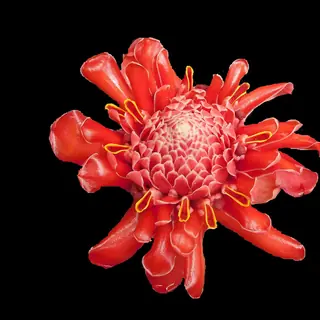
Torch ginger
2 shared dishes
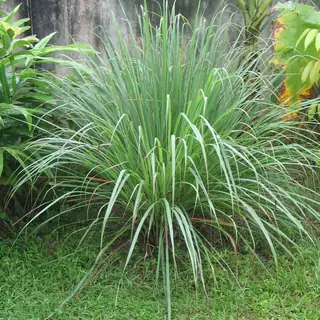
Lemongrass
2 shared dishes
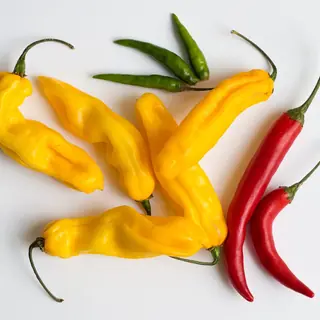
Chili pepper
2 shared dishes
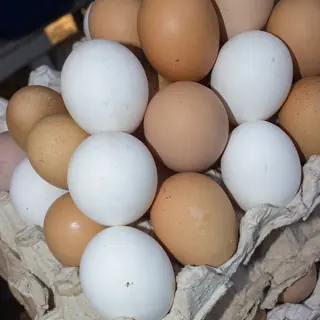
Egg
2 shared dishes
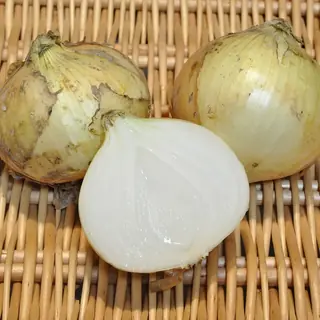
Onion
2 shared dishes
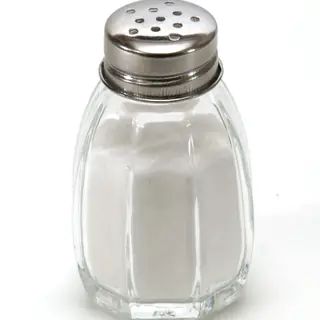
Table salt
2 shared dishes
Photo credits for this page (6)
Torch ginger: Filo gèn' · CC BY-SA 4.0 · Wikimedia Commons
Lemongrass: Unknown photographer · CC BY 2.0 · Wikimedia Commons
Chili pepper: Takeaway · CC BY-SA 4.0 · Wikimedia Commons
Egg: Flixtey · CC BY-SA 4.0 · Wikimedia Commons
Table salt: Dubravko Sorić SoraZG on Flickr · CC BY 2.0 · Wikimedia Commons


Around the world
What chives is called
Spanish
Allium schoenoprasum · cebolla aromática · cebollino · cebolla de hoja
French
Ciboulette · ciboulette
Italian
Allium schoenoprasum · erba cipollina
Portuguese
Allium schoenoprasum · cebolinha · cebolinha verde
German
Schnittlauch · Allium schoenoprasum
Dutch
bieslook
Greek
Άλλιον το σχοινόπρασον
Turkish
Yaprak soğanı
Russian
Лук скорода · шнитт-лук · лук-резанец · лук-сибулет
Polish
czosnek szczypiorek · szczypiorek · szczypior
Arabic
ثوم معمر
Persian
پیاز کوهی
Show all 93 languages
Afrikaans
Sprietui
Albanian
Allium schoenoprasum
Amharic
ቀጭን ሽንኩርት
Aragonese
Allium schoenoprasum
Asturian
Cebollín
azb
داغ سوغانی
Azerbaijani
Mala soğanı
Basque
Tipulin
Belarusian
Цыбуля скарада · цыбуля рэзанец · трыбулька
Belarusian (Taraskievica orthography)
цыбуля скарада · цыбуля рэзанец
Bosnian
Vlasac
Brazilian Portuguese
Allium schoenoprasum · cebolinha · cebolinha verde
Bulgarian
Сибирски лук · Allium schoenoprasum
Cantonese
細香蔥
Catalan
Allium schoenoprasum · cibulet
Cebuano
Allium schoenoprasum
Chinese
蝦夷蔥 · 北葱 · 大蒜 · 香葱
Corsican
Allium schoenoprasum
Croatian
Vlasac
Czech
pažitka pobřežní
Danish
Purløg
Egyptian Arabic
ثوم معمر
Esperanto
Ŝenoprazo
Estonian
murulauk
Extremaduran
Allium schoenoprasum
Finnish
ruohosipuli · Allium schoenoprasum · ruoholaukka
Galician
Allium schoenoprasum · Ceboliño
Haitian Creole
Siv
Hebrew
שום העירית
Hungarian
metélőhagyma · Allium schoenoprasum · snidling
Icelandic
Graslaukur
Ido
Allium schoenoprasum
Indonesian
Lokio · Bawang batak
Interlingua
Allium schoenoprasum
Interlingue
Allium schoenoprasum
Irish
síobhas
Japanese
チャイブ · エゾネギ · セイヨウアサツキ
Javanese
Lokio
Kannada
ಈರುಳ್ಳಿ ಸೊಪ್ಪಿನ ಗಿಡ
Kashubian
Łëczk
Kazakh
Шалғын жуа
Korean
차이브
Latin
Allium schoenoprasum
Latvian
maurloki
Limburgish
Bieslouk
Lithuanian
Laiškinis česnakas
Low Saxon
bieslook
Lower Sorbian
Cybulinka
Luxembourgish
Bratzel · Allium schoenoprasum
Macedonian
власец · Allium schoenoprasum
Malagasy
Tongolo raviny
Malayalam
ചൈവ്സ്
Manx
Shoushan
Northern Frisian
Gäärslook
Norwegian Bokmål
grasløk
Norwegian Nynorsk
graslauk · Allium schoenoprasum
Occitan
Ceboleta
Old English
Secglēac
Pampanga
Chives
Picard
Chiboléte
Piedmontese
Allium schoenoprasum
Romanian
Arpagic
Scots
chives
Serbian
Влашац
Silesian
Szńitloch
Simplified Chinese
蝦夷蔥
Simplified Chinese (China)
蝦夷蔥
Slovak
cesnak pažítkový
Slovenian
Allium schoenoprasum · drobnjak
Sundanese
Bawang batak
Swedish
gräslök
Swiss High German
Schnittlauch
Tamil
இனப்பூண்டு
Thai
กุยช่ายฝรั่ง · หอมจีน
Tibetan
ཀེའུ།
Traditional Chinese
蝦夷蔥
Traditional Chinese (Taiwan)
細香蔥
Udmurt
Кыр сугон
Ukrainian
Цибуля-різанець
Upper Sorbian
Słódny kobołk
Urdu
ثوم معمر
Venetian
Ajo de bisi
Vietnamese
Hành tăm
Volapük
Allium schoenoprasum
Walloon
Brele
Waray
Allium schoenoprasum
Welsh
Cenhinen syfi
Wu Chinese
北葱
Sources and credits
Data
- GlobeCooks editorial: descriptions, kitchen notes and classification, written by GlobeCooks from checked sources
- USDA FoodData Central (Foundation, SR Legacy): nutrition values (Public domain (US government work, CC0))
- Wikidata: names, classification and dishes (CC0 1.0)
- Wikimedia Commons: photos
- Wikipedia (English) (CC BY-SA 4.0)
Wikidata item: Q51148
Photos
Photo: Anna (bc anna) · CC BY 2.0 · Wikimedia Commons