Clove
Syzygium aromaticumAlso called Caryophylli Flos
Clove is a spice made from a bud. Cooks use it in marinades and to season dishes, pairing it with ingredients such as cinnamon, allspice, and red wine.
- Plant-based
- Gluten-free
- No listed allergens
About the plain ingredient, not packaged products; general information, not medical advice. Details
- Category
- Herbs & spices
- Part used
- Bud
- Family
- Myrtaceae
- Cooked most in
- Asia
- Top country
- Indonesia
- Dishes
- 9 in the catalogue
- Energy
- 274 kcal per 100 g

Photo: Jorge Barrios · Public domain · Wikimedia Commons

In the kitchen
How to use clove
Typical ways to cook or use it
- Marinade
- Season
Goes well with
Nutrition
What 100 g of clove holds
Protein 7%Fat 15%Carbohydrate 78%of the macronutrients by weight
| Energy | 274 kcal · 1,145 kJ |
|---|---|
| Protein | 6 g |
| Fat | 13 g |
| of which saturated | 4 g |
| Carbohydrate | 66 g |
| of which sugars | 2.4 g |
| Fibre | 34 g |
| Sodium | 277 mg |
| Cholesterol | 0 mg |
| Potassium | 1,020 mg |
|---|---|
| Calcium | 632 mg |
| Iron | 12 mg |
| Magnesium | 259 mg |
| Zinc | 2.3 mg |
| Vitamin C | 0.2 mg |
| Vitamin A (RAE) | 8 µg |
| Folate | 25 µg |
Source: USDA FoodData Central (food 171321), public domain. Minerals and vitamins are listed only where USDA measured a non-zero amount.
Around the world
Where clove is cooked
On the table
Dishes made with clove
Matang satay
Indonesia
Pepernoot
Klatak Satay
Indonesia
Kanji rumbi
Indonesia
Bir pletok
Indonesia
Beef gulai
Indonesia
Jengkol stew
Indonesia
Gulai Balak
Dish lists come from Wikidata; a dish counts when its recorded ingredients include clove.
Good to know
Diet and allergens: clove in detail
- Allergens
- None of the 15 listed allergens foundChecked and not found: soy, eggs, fish, milk, lupin, wheat, celery, sesame, mustard, peanuts, molluscs, sulphites, tree nuts, crustaceans, gluten cereals.
- Animal origin
- No animal ingredients foundChecked and not found: egg, fish, meat, dairy, honey, insect, gelatin, poultry, bone char, shellfish, other animal, animal fining, animal rennet.
- Gluten
- None
- Alcohol
- None
- Caffeine
- None
- Pork
- None
Cooked together
Often cooked with clove
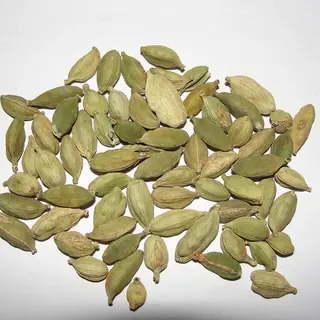
Cardamom
5 shared dishes
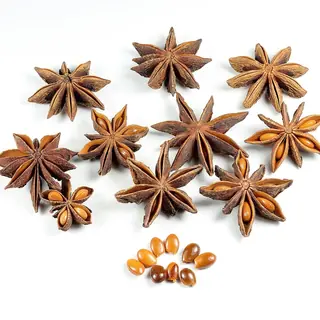
Star anise
5 shared dishes
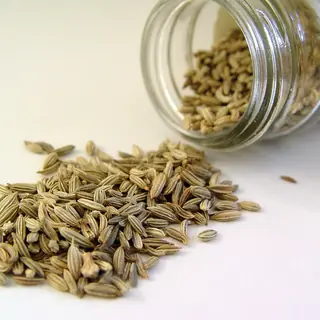
Fennel fruit
2 shared dishes
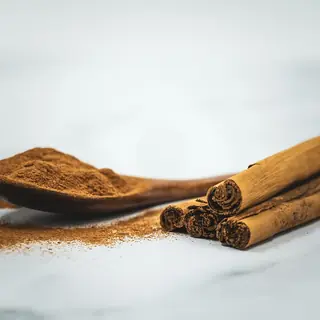
Cinnamon
7 shared dishes
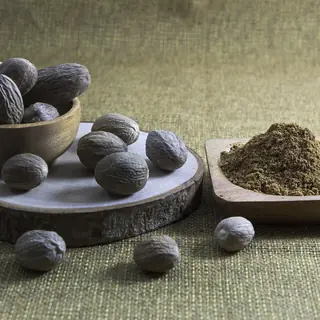
Nutmeg
4 shared dishes
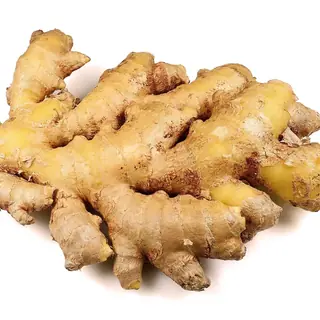
Ginger
6 shared dishes
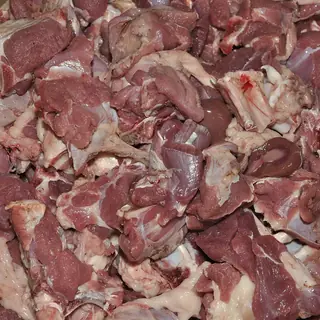
Goat meat
3 shared dishes
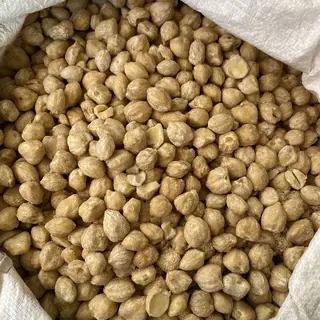
Candlenut
4 shared dishes
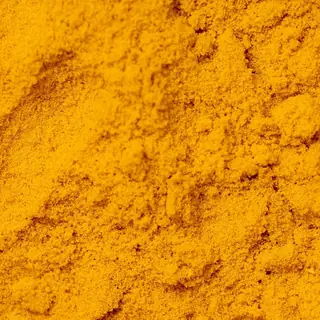
Turmeric
3 shared dishes
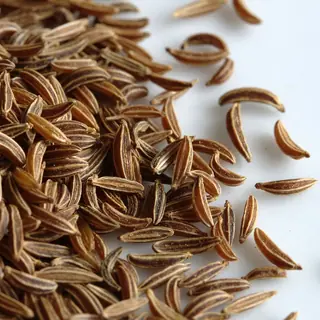
Caraway seeds
2 shared dishes
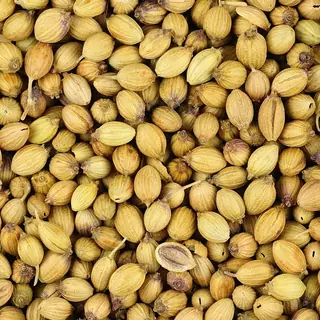
Coriander seed
3 shared dishes
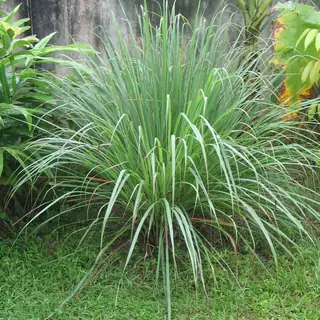
Lemongrass
4 shared dishes
Photo credits for this page (12)
Cardamom: Thamizhpparithi Maari · CC BY-SA 3.0 · Wikimedia Commons
Star anise: Sanjay Acharya · CC BY-SA 4.0 · Wikimedia Commons
Fennel fruit: Holly Cheng · CC BY-SA 3.0 · Wikimedia Commons
Cinnamon: formulatehealth · CC BY 2.0 · Wikimedia Commons
Nutmeg: Herusutimbul · CC BY-SA 4.0 · Wikimedia Commons
Ginger: Sanjay Acharya · CC BY-SA 4.0 · Wikimedia Commons
Goat meat: Biswarup Ganguly · CC BY-SA 3.0 · Wikimedia Commons
Turmeric: Ajay Suresh from New York, NY, USA · CC BY 2.0 · Wikimedia Commons
Coriander seed: Sanjay Acharya · CC BY-SA 4.0 · Wikimedia Commons
Lemongrass: Unknown photographer · CC BY 2.0 · Wikimedia Commons


Around the world
What clove is called
Spanish
clavos de olor
French
girofle
Italian
chiodo di garofano
Portuguese
cravo · cravo-da-índia · cravo-da-índia-aromático
German
Nelke · Nelken
Dutch
kruidnagel
Greek
γαρίφαλο
Russian
гвоздика · гвоздика (пряность)
Polish
goździki
Arabic
قرنفل · عويدي · العويدي · مسمار عويدي
Hebrew
ניצן ציפורן
Chinese
丁香
Show all 36 languages
Basque
iltze
Belarusian
Гваздзік, прыправа
Belarusian (Taraskievica orthography)
гвазьдзік · гвазьдзікі
Brazilian Portuguese
cravo · cravo-da-índia · cravo-da-índia-aromático
Breton
Tach-jenofl
Burmese
လေးညင်း
Catalan
clavell d'espècia · clau d'espècia · girofle · clau d'olor
Chechen
Алзам (чамбийриг)
Czech
hřebíček
dag
kanafori
Danish
kryddernellike
Estonian
Nelk (vürts)
Finnish
mausteneilikka
Hausa
Kanumfari
Indonesian
cengkih · cengkeh · Syzygium aromaticum · buah cengkih
Japanese
丁子 · チョウジ
Javanese
cengkeh
Khmer
ផ្កាក្លាំងពូ ឬ ក្លាំភូ
Latin
Caryophylii flos
Latvian
krustnagliņas · krustnagliņa (garšviela)
Ossetic
даричин
Shan
မွၵ်ႇလေးၺၢင်း
Slovenian
nageljnova žbica · žbica
Swahili
Karafuu
Swedish
kryddnejlika
Ukrainian
гвоздика
Sources and credits
Data
- GlobeCooks editorial: descriptions, kitchen notes and classification, written by GlobeCooks from checked sources
- USDA FoodData Central (Foundation, SR Legacy): nutrition values (Public domain (US government work, CC0))
- Wikidata: names, classification and dishes (CC0 1.0)
- Wikimedia Commons: photos
- Wikipedia (English) (CC BY-SA 4.0)
Wikidata item: Q15622897
Photos
Photo: Jorge Barrios · Public domain · Wikimedia Commons