Candlenut
Aleurites moluccanusAlso called Aleurites moluccana, Indian walnut, candleberry and kemiri
Cooks use the soft kernel of candlenut as a nut. They dry-toast or roast it, or blend it into a paste.
- Plant-based
- Gluten-free
About the plain ingredient, not packaged products; general information, not medical advice. Details
- Category
- Nuts & seeds
- Part used
- Kernel
- Family
- Euphorbiaceae
- Texture
- Soft
- Cooked most in
- Asia
- Top country
- Indonesia
- Dishes
- 45 in the catalogue


In the kitchen
How to use candlenut
Typical ways to cook or use it
- Dry toast
- Paste blend
- Roast
Flavour
Taste and texture
Texture
- Soft
Around the world
Where candlenut is cooked
Dishes by continent
- Asia44
Countries whose dishes use it most
Counts are catalogued dishes from each country that list candlenut among their ingredients.
Origins
- First cultivated
- in South-eastern Asia
On the table
Dishes made with candlenut
Coto makassar
Indonesia
Caluk noodles
Indonesia
Matang satay
Indonesia
Klatak Satay
Indonesia
Kuah beulangong
Indonesia
Otak-otak
Indonesia
Arsik
Indonesia
Lontong kikil
Indonesia
Nasi gandul
Indonesia
Kikil satay
Indonesia
Snail satay
Indonesia
Dengke Mas Naniura
Indonesia
Gabus pucung
Indonesia
Jepara grilled opor
Indonesia
Panada
Indonesia
Rendang lokan
Indonesia
Tambunsu curry
Indonesia
Beef gulai
Indonesia
Empal gepuk
Indonesia
Sate lilit
Indonesia
Sop saudara
Indonesia
Empal gentong
Indonesia
Manuk Napinadar
Indonesia
Natinombur
Indonesia
Rendang
Indonesia
Soto Kudus
Indonesia
Ayam goreng
Indonesia
Boh puniaram
Indonesia
Jengkol stew
Indonesia
Komoh
Indonesia
Konro Soup
Indonesia
Sambal tuktuk
Indonesia
Ambal satay
Indonesia
Gudeg
Indonesia
Mageli
Indonesia
Pallu kacci
Indonesia
Burgo
Indonesia
Katupat balamak
Indonesia
Sambal shrimp
Indonesia
Bakso Balungan
Indonesia
Ponorogo satay
Dish lists come from Wikidata; a dish counts when its recorded ingredients include candlenut.
Good to know
Diet and allergens: candlenut in detail
- Allergens
- None of the 15 listed allergens foundChecked and not found: soy, eggs, fish, milk, lupin, wheat, celery, sesame, mustard, peanuts, molluscs, sulphites, crustaceans, gluten cereals.
- Animal origin
- No animal ingredients foundChecked and not found: egg, fish, meat, dairy, honey, insect, gelatin, poultry, bone char, shellfish, other animal, animal fining, animal rennet.
- Gluten
- None
- Alcohol
- None
- Caffeine
- None
- Pork
- None
Cooked together
Often cooked with candlenut
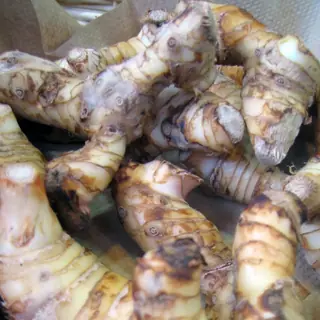
Galangal
32 shared dishes
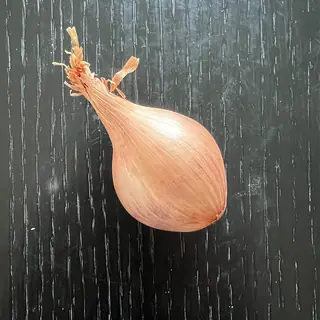
Shallot
35 shared dishes
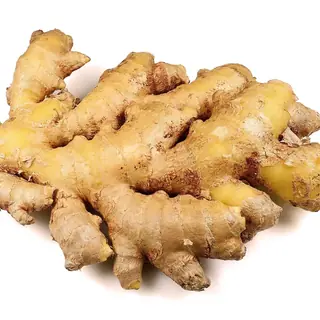
Ginger
25 shared dishes
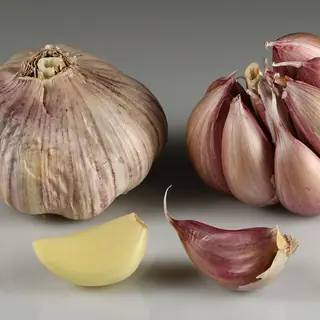
Garlic
43 shared dishes
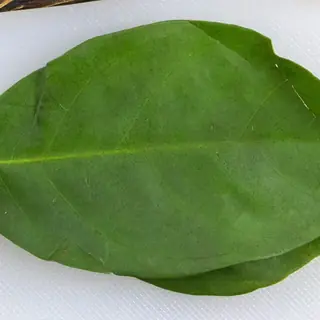
Indonesian bay leaf
19 shared dishes
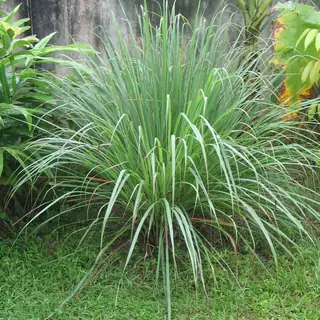
Lemongrass
23 shared dishes
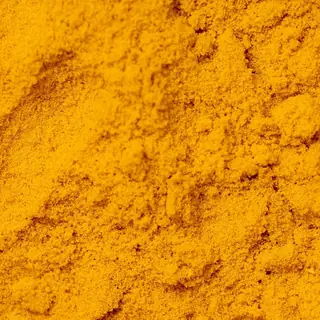
Turmeric
14 shared dishes
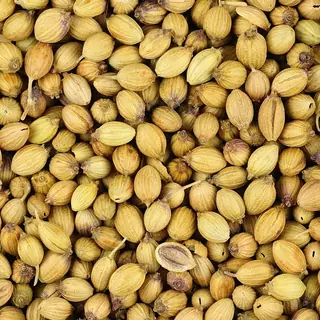
Coriander seed
14 shared dishes
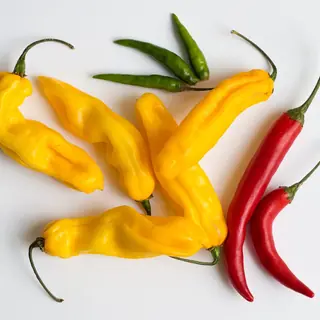
Chili pepper
22 shared dishes

Table salt
36 shared dishes
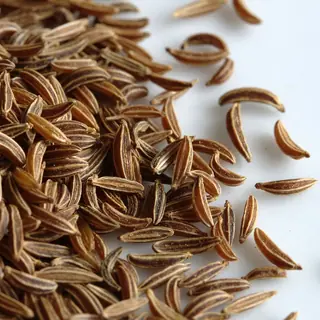
Caraway seeds
7 shared dishes
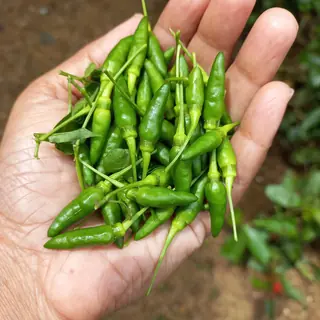
Bird's eye chili
9 shared dishes
Photo credits for this page (12)
Galangal: Ruth Hartnup from Vancouver, Canada · CC BY 2.0 · Wikimedia Commons
Shallot: HaJunkiyada · CC BY-SA 4.0 · Wikimedia Commons
Ginger: Sanjay Acharya · CC BY-SA 4.0 · Wikimedia Commons
Garlic: Ivar Leidus · CC BY-SA 4.0 · Wikimedia Commons
Indonesian bay leaf: Herusutimbul · CC BY-SA 4.0 · Wikimedia Commons
Lemongrass: Unknown photographer · CC BY 2.0 · Wikimedia Commons
Turmeric: Ajay Suresh from New York, NY, USA · CC BY 2.0 · Wikimedia Commons
Coriander seed: Sanjay Acharya · CC BY-SA 4.0 · Wikimedia Commons
Chili pepper: Takeaway · CC BY-SA 4.0 · Wikimedia Commons
Table salt: Dubravko Sorić SoraZG on Flickr · CC BY 2.0 · Wikimedia Commons
Bird's eye chili: Daizy John · CC BY-SA 4.0 · Wikimedia Commons


Around the world
What candlenut is called
Spanish
Aleurites moluccanus · Manihot moluccana · Aleurites lobata · Aleurites ambinux
French
Aleurites moluccana · Noyer de Bancoule · Bancoule · Noyer des Moluques
Italian
Aleurites moluccana
Portuguese
Nogueira-de-iguape · Nogueira de iguape · Aleurites moluccana
German
Lichtnussbaum · Kemirinuss · Kukui · Aleurites moluccana
Dutch
Kemirinoot · Aleurites moluccana · kaarsnoot
Russian
Тунг молуккский · Aleurites moluccanus · Aleurites moluccana · Лумбанг
Polish
Tung molukański · Tungowiec · Kukui · Aleurites moluccanus
Arabic
ألوريت جزر الملوك
Persian
آلئوریتیس ملوکانوس
Hebrew
אגוז הודי
Chinese
石栗 · 油果 · 檢果 · 石慄
Show all 57 languages
Albanian
Aleurites moluccanus
Aragonese
Aleurites moluccanus
Asturian
Aleurites moluccanus
Azerbaijani
Aleurites moluccana · Aleurites remyi · Aleurites trilobus · Aleurites pentaphyllus
Balinese
Tingkih
Banjar
Kaminting
Basque
Aleurites moluccanus
Betawi
Kemèri
Brazilian Portuguese
Aleurites moluccanus
Bulgarian
Aleurites moluccanus · Aleurites moluccana
Burmese
တောသစ်ကြားပင်
Cantonese
石栗
Catalan
Aleurites moluccana
Cebuano
Aleurites moluccanus
Czech
tungovník molucký · moukeš molucký
Egyptian Arabic
الوريتس
Esperanto
Aleurites moluccanus
Estonian
Moluki tungpuu · küünlapähklipuu · küünlapuu
Extremaduran
Aleurites moluccanus
Filipino
Lumbang
Finnish
hopeatungpuu
Galician
Aleurites moluccanus
Ido
Aleurites moluccanus
Indonesian
Kemiri · Aleurites moluccanus
Interlingua
Aleurites moluccanus
Interlingue
Aleurites moluccanus
Irish
Aleurites moluccanus
Japanese
ククイ · クミリ · ククイナッツオイル · ククイノキ
Javanese
Kemiri
Latin
Aleurites moluccana
Madurese
Komèrè · Kamèrè · Mèrè
Malay
Buah Keras · Pokok Buah Keras · Pokok Kemiri
Manchu
ᠸᡝᡥᡝᠩᡤᡝ ᡠᠰᡳᡥᠠ
Māori
Tuitui
Minangkabau
Kamiri · bukareh · dama · cegek
Occitan
Aleurites moluccanus
Romanian
Aleurites moluccanus
Simplified Chinese
石栗
Simplified Chinese (China)
石栗
Slovenian
Aleurites moluccanus
Sundanese
Muncang
Swedish
Aleurites moluccanus
Tahitian
Tiairi
Tongan
Tuitui · Aleurites moluccana
Traditional Chinese
石栗
Traditional Chinese (Hong Kong SAR China)
石栗
Traditional Chinese (Taiwan)
石栗
Ukrainian
Свічкове дерево
Vietnamese
Aleurites moluccana
Volapük
Aleurites moluccanus
Waray
Aleurites moluccanus
Sources and credits
Data
- GlobeCooks editorial: descriptions, kitchen notes and classification, written by GlobeCooks from checked sources
- Wikidata: names, classification and dishes (CC0 1.0)
- Wikimedia Commons: photos
- Wikipedia (English) (CC BY-SA 4.0)
Wikidata item: Q1160961