Lemon
Lemon is a fruit. Cooks use the fruit and skin for baking, garnishing, preserving, and seasoning.
- Plant-based
About the plain ingredient, not packaged products; general information, not medical advice. Details
- Category
- Fruit
- Part used
- Fruit, skin
- Family
- Rutaceae
- Top country
- Spain
- Dishes
- 6 in the catalogue
- Energy
- 47 kcal per 100 g

Photo: Ivar Leidus · CC BY-SA 4.0 · Wikimedia Commons
In the kitchen
How to use lemon
Typical ways to cook or use it
- Bake
- Garnish
- Preserve
- Season
Preparing it
Grate the outer peel to make zest.
Shopping
Choosing and storing lemon
- Availability
- Supermarkets
Nutrition
What 100 g of lemon holds
Protein 8%Fat 2%Carbohydrate 90%of the macronutrients by weight
| Energy | 47 kcal · 197 kJ |
|---|---|
| Protein | 1.5 g |
| Fat | 0.3 g |
| of which saturated | 0.04 g |
| Carbohydrate | 16 g |
| of which sugars | 4.2 g |
| Fibre | 11 g |
| Sodium | 6 mg |
| Cholesterol | 0 mg |
| Potassium | 160 mg |
|---|---|
| Calcium | 134 mg |
| Iron | 0.8 mg |
| Magnesium | 15 mg |
| Zinc | 0.25 mg |
| Vitamin C | 129 mg |
| Vitamin A (RAE) | 3 µg |
| Folate | 13 µg |
Source: USDA FoodData Central (food 167749), public domain. Minerals and vitamins are listed only where USDA measured a non-zero amount.
Around the world
Where lemon is cooked
Countries whose dishes use it most
Counts are catalogued dishes from each country that list lemon among their ingredients.
Origins
The 1400s · Italy
Substantial European cultivation began in Genoa in the 15th century.
1493 · Caribbean
Columbus brought lemon seeds to Hispaniola in 1493.
On the table
Dishes made with lemon
Panada
Indonesia
Tarta de Santiago
Spain
Spanakorizo
Greece
Dish lists come from Wikidata; a dish counts when its recorded ingredients include lemon.
Good to know
Diet and allergens: lemon in detail
- Allergens
- None of the 15 listed allergens foundChecked and not found: eggs, fish, milk, molluscs, sulphites, crustaceans.
- Animal origin
- No animal ingredients foundChecked and not found: egg, fish, meat, dairy, honey, insect, gelatin, poultry, bone char, shellfish, other animal, animal fining, animal rennet.
- Alcohol
- None
- Pork
- None
Family
Related forms
- Made from it
- lemon juice
Cooked together
Often cooked with lemon
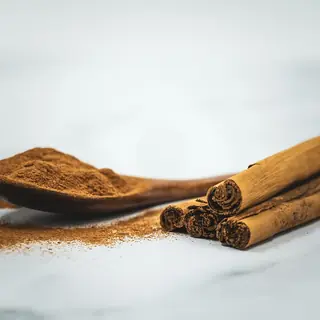
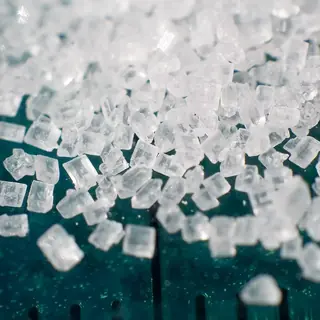
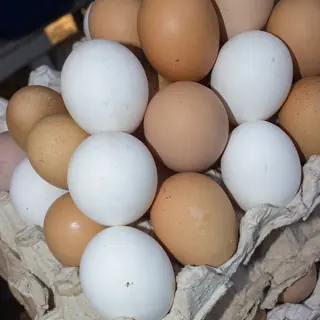
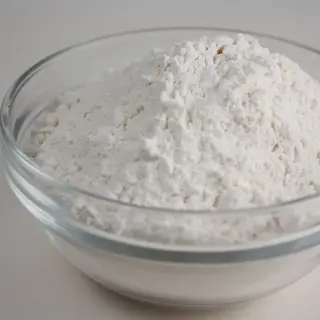

Photo credits for this page (4)
Cinnamon: formulatehealth · CC BY 2.0 · Wikimedia Commons
Sugar: Lauri Andler (Phantom) · CC BY-SA 3.0 · Wikimedia Commons
Egg: Flixtey · CC BY-SA 4.0 · Wikimedia Commons
Wheat flour: Veganbaking.net from USA · CC BY-SA 2.0 · Wikimedia Commons


Around the world
What lemon is called
Spanish
limón · limon
French
citron
Italian
limone · Citrus × limon
Portuguese
limão
German
Zitrone · Limone
Dutch
citroen
Greek
λεμόνι
Turkish
Limon
Russian
лимон · лимон (плод) · цитрон
Polish
cytryna
Arabic
ليمون
Hebrew
לימון
Show all 101 languages
Albanian
limon
Aragonese
limón
Armenian
լիմոն
Aromanian
Limońiu
Asturian
llimón · llimonal · Citrus limon
Azerbaijani
Limon
Bangla
লেবু
Basque
limoi
Belarusian
лімон
Bislama
Lemon
Breton
sitroñs · sitron
Bulgarian
лимон
Burmese
သံပယိုသီး
Catalan
llimona · llimon · llima
Chinese
檸檬 · 檸檬果
Crimean Tatar (Romania)
limon
Czech
citron
Danish
citron
eml
limon
Esperanto
citrono · limono
Estonian
sidrun
Finnish
sitruuna
Fon
Klé
Galician
limón · Citrus limon
Georgian
ლიმონი
Haitian Creole
sitron
Hindi
नींबू
Hungarian
citrom
Indonesian
lemon
Japanese
レモン · 檸檬 · 檸檬の実
Kashubian
cytróna
Kongo
Dilala ya ngayi
Korean
레몬
Kurdish (Latin)
lîmon
Ladino
limon
Latin
Citrus × limon
Ligurian
limon
Low German
Sitroon
Low Saxon
zitroun
Lower Sorbian
citrona
Macedonian
лимон
Malagasy
voasarimakirana · tsôha fôhy · voasary makirana · tsôha matsiko
Malayalam
ചെറുനാരങ്ങ · നാരങ്ങ
Maltese
lumija
Manipuri
ꯆꯝꯄ꯭ꯔꯥ
Māori
rēmana
Marathi
लिंबू
mcn
léémúlnà
Mongolian
нимбэг
Moroccan Arabic
حامض · سيطرون
Mossi
Lembur-miisga
Navajo
Chʼil łitsooí díkʼǫ́zhígíí
Neapolitan
limone
Nepali
कागती
Northern Frisian
Sitroon
Norwegian Bokmål
sitron · citron
Norwegian Nynorsk
sitron
Novial
limone
Occitan
citron
Odia
ଲେମ୍ବୂ
Pashto
ليمو
Picard
limon
Piedmontese
limon
Romanian
lămâie · lămîie
Rusyn
Цітрон
Sardinian
limone
Shan
မၢၵ်ႇဢိုၼ်ႈ
Sicilian
lumiuni · limuni
Silesian
cytrōna
Slovak
Citrón
Slovenian
limona · citrona
Swahili
Limau
Swedish
citron
syl
ꠟꠦꠝ꠆ꠛꠥ
Tajik
лимӯ
Talysh
Limo
Tatar
лимун · лимон
Tumbuka
Zobala
Tunisian Arabic (Arabic)
قارص
Tunisian Arabic (Latin)
9àrec
Udmurt
Лимон
Ukrainian
лимон
Upper Sorbian
citrona · citrony · limona · limony
Uzbek
Limon
Venetian
limon · Citrus × limon
Võro
Tsitron
Walloon
Limon
West Flemish
Citroen
Western Frisian
sitroen
Western Mari
Лимон
Zhuang
Makningzmungx
Sources and credits
Data
- GlobeCooks editorial: descriptions, kitchen notes and classification, written by GlobeCooks from checked sources
- USDA FoodData Central (Foundation, SR Legacy): nutrition values (Public domain (US government work, CC0))
- Wikidata: names, classification and dishes (CC0 1.0)
- Wikimedia Commons: photos
- Wikipedia (English) (CC BY-SA 4.0)
Wikidata item: Q1093742
Photos
Photo: Ivar Leidus · CC BY-SA 4.0 · Wikimedia Commons