Beef
Also called bovine meat, cow meat, bull meat and Bos taurus as food
Beef is meat from muscle and is sold dried. Cooks braise, cure, deep-fry, pickle, shallow-fry, smoke, stew, and stir-fry it, or use it raw.
- Meat
- Gluten-free
- No listed allergens
About the plain ingredient, not packaged products; general information, not medical advice. Details
- Category
- Meat & poultry
- Part used
- Muscle
- Cooked most in
- Asia, Africa, The Americas
- Top country
- Indonesia
- Dishes
- 97 in the catalogue
- Energy
- 215 kcal per 100 g

Photo: F ASTILY · CC BY-SA 4.0 · Wikimedia Commons

In the kitchen
How to use beef
Typical ways to cook or use it
- Braise
- Cure
- Deep fry
- Pickle
- Raw
- Shallow fry
- Smoke
- Stew
- Stir fry
Preparing it
Refrigerated aging can improve tenderness. Tougher cuts can be mechanically tenderized with small blades.
Cooking with it
Long, low-temperature moist cooking can soften the connective tissue in tougher cuts. Higher cooking temperatures can toughen meat as its proteins contract.
Shopping
Choosing and storing beef
- Sold as
- Dried
Nutrition
What 100 g of beef holds
Protein 58%Fat 42%Carbohydrate 0%of the macronutrients by weight
| Energy | 215 kcal · 902 kJ |
|---|---|
| Protein | 20 g |
| Fat | 14 g |
| of which saturated | 6 g |
| Carbohydrate | 0 g |
| Sodium | 52 mg |
| Cholesterol | 72 mg |
| Potassium | 283 mg |
|---|---|
| Calcium | 17 mg |
| Iron | 1.7 mg |
| Magnesium | 19 mg |
| Zinc | 4 mg |
| Vitamin A (RAE) | 2 µg |
| Folate | 8 µg |
| Vitamin B12 | 1.5 µg |
Dried
Protein 87%Fat 5%Carbohydrate 8%of the macronutrients by weight
| Energy | 153 kcal · 640 kJ |
|---|---|
| Protein | 31 g |
| Fat | 1.9 g |
| of which saturated | 0.95 g |
| Carbohydrate | 2.8 g |
| of which sugars | 2.7 g |
| Fibre | 0 g |
| Sodium | 2,790 mg |
| Cholesterol | 79 mg |
| Potassium | 235 mg |
|---|---|
| Calcium | 8 mg |
| Iron | 2.4 mg |
| Magnesium | 19 mg |
| Zinc | 4.9 mg |
| Folate | 10 µg |
| Vitamin B12 | 1.6 µg |
Source: USDA FoodData Central (foods 169483, 170604), public domain. Minerals and vitamins are listed only where USDA measured a non-zero amount.
Around the world
Where beef is cooked
Dishes by continent
Countries whose dishes use it most
- Indonesia 39
- Nigeria 13
- United States 4
- China 2
- France 2
- Mexico 2
- Algeria 1
- Belgium 1
- Bhutan 1
- Bolivia 1
- Brazil 1
- Bulgaria 1
- DR Congo 1
- Hungary 1
Counts are catalogued dishes from each country that list beef among their ingredients.
On the table
Dishes made with beef
Coto makassar
Indonesia
Ofe Oha
Nigeria
Amtrak Natural Angus Burger
United States
Kibbeh safarjaliyeh
Soup Kandia
Senegal
Romazava
Madagascar
Kilishi
Niger, Nigeria
Luwombo
Uganda
Mititei
Romania
Quesabirria
Mexico
Salteña
Bolivia
Tamale
Filet américain
Belgium
Gulyásleves
Hungary
Negimaki
Japan, United States
Shuizhu
China
Turli Tava
North Macedonia
Kebapche
Bulgaria
Carbonade
France
Roast beef
Taiwanese Steak
Taiwan
Matang satay
Indonesia
Egusi soup
Nigeria
Carne polaca
Mexico
Beef and broccoli
United States
Languette
France
Shanghai fried noodles
China
Nasi gandul
Indonesia
Banga rice
Nigeria
Salisbury steak
United States
Soto Betawi
Indonesia
Draw soup
Nigeria
Rujak soto
Indonesia
Edikang Ikong
Nigeria
Tongseng
Indonesia
Spicy cow foot
Nigeria
Sayur asem
Indonesia
Afang
Nigeria
Selat Solo
Indonesia
Suya
Nigeria
Beef gulai
Indonesia
Edo black soup
Nigeria
Dendeng
Indonesia
Ofe Owerri
Nigeria
Empal gepuk
Indonesia
Miyar zogale
Nigeria
Mi Kocok
Indonesia
Oil Bean Soup
Nigeria
Dish lists come from Wikidata; a dish counts when its recorded ingredients include beef.
Good to know
Diet and allergens: beef in detail
- Allergens
- None of the 15 listed allergens foundChecked and not found: soy, eggs, fish, milk, lupin, wheat, celery, sesame, mustard, peanuts, molluscs, sulphites, tree nuts, crustaceans, gluten cereals.
- Animal origin
- From: meatChecked and not found: egg, fish, dairy, honey, insect, gelatin, poultry, bone char, shellfish, other animal, animal fining, animal rennet.
- Gluten
- None
- Alcohol
- None
- Caffeine
- None
- Pork
- None
Family
Related forms
- A kind of
- meat
- Made from it
- ground beef (ground)
- Kinds
- ground beef
Cooked together
Often cooked with beef
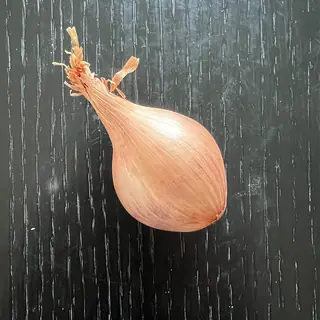
Shallot
21 shared dishes
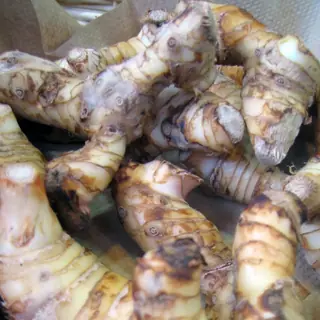
Galangal
16 shared dishes
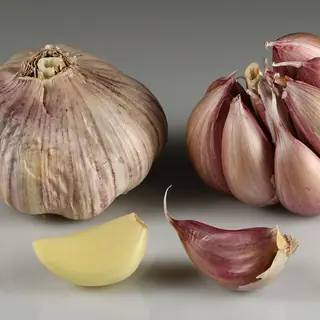
Garlic
27 shared dishes
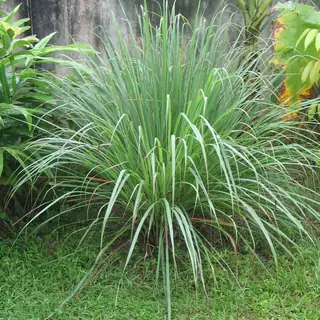
Lemongrass
15 shared dishes
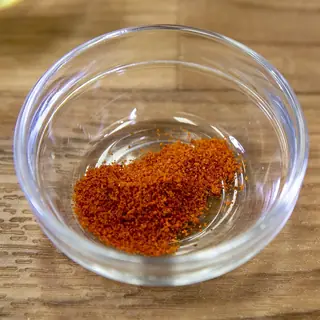
Cayenne pepper
4 shared dishes
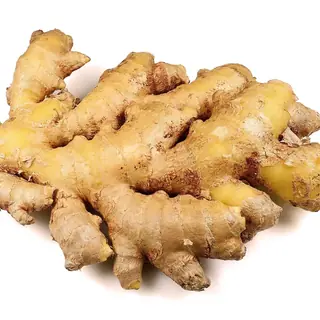
Ginger
13 shared dishes
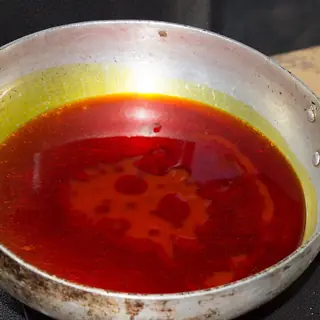
Palm oil
10 shared dishes
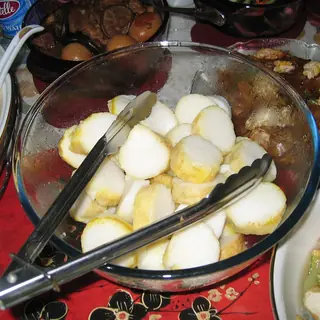
Lontong
5 shared dishes
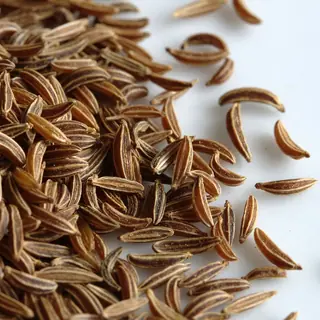
Caraway seeds
6 shared dishes
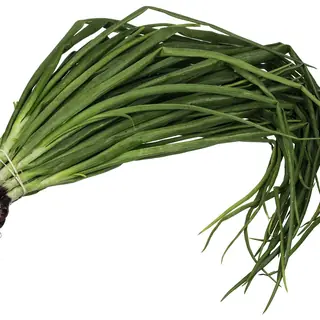
Scallion
9 shared dishes

Table salt
26 shared dishes
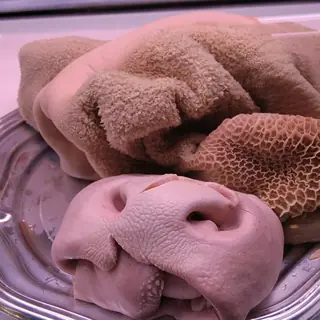
Tripe
3 shared dishes
Photo credits for this page (12)
Shallot: HaJunkiyada · CC BY-SA 4.0 · Wikimedia Commons
Galangal: Ruth Hartnup from Vancouver, Canada · CC BY 2.0 · Wikimedia Commons
Garlic: Ivar Leidus · CC BY-SA 4.0 · Wikimedia Commons
Lemongrass: Unknown photographer · CC BY 2.0 · Wikimedia Commons
Cayenne pepper: Alabama Extension · CC0 1.0 · Wikimedia Commons
Ginger: Sanjay Acharya · CC BY-SA 4.0 · Wikimedia Commons
Palm oil: DromoTetteh · CC BY-SA 4.0 · Wikimedia Commons
Scallion: Evan-Amos · Public domain · Wikimedia Commons
Table salt: Dubravko Sorić SoraZG on Flickr · CC BY 2.0 · Wikimedia Commons
Tripe: Biskuit from Atlanta, GA · CC BY-SA 2.0 · Wikimedia Commons


Around the world
What beef is called
Spanish
carne de res · carne bovina
French
viande bovine · viande de bœuf · viande de vache · viande de taureau
Italian
manzo · carne di manzo
Portuguese
carne bovina · carne de boi · carne de vaca
German
Rindfleisch · Rind
Dutch
rundvlees · runderlapje · rundsvlees
Greek
μοσχαρίσιο κρέας
Turkish
sığır eti
Russian
говядина · оковалок
Polish
wołowina · mięso wołowe
Arabic
لحم بقري · لحوم الأبقار
Persian
گوشت گاو · گوشت گوساله
Show all 141 languages
Afrikaans
beesvleis
Aghem
nyòm
Albanian
mish lope
Aragonese
carne de vacuno
Armenian
տավարի միս
Asturian
carne de vaca · carne de res · carne bovino · carne de xatu
bag
yɛnɛ́ yá ndwɛ́nɛ
Bangla
গরুর মাংস
Basaa
nyaga
Basque
behiki
Belarusian
ялавічына
Belarusian (Taraskievica orthography)
ялавічына · каровіна мяса
Bikol
karneng baka
bkc
sɔ ndàyì
bkh
tít nyaka
Bosnian
govedina
Brazilian Portuguese
carne bovina
Breton
kig bevin · kig-bevin
Bulgarian
говеждо месо
Burmese
အမဲသား
Cantonese
牛肉
Catalan
carn de bou · bou · vedella
Cebuano
Karne sa baka
Chechen
бежана жижиг
Cheyenne
vé'ho'éotóaho'évohkôtse
Chinese
牛肉 · 黄牛肉
Croatian
govedina
Czech
hovězí maso · hovězí
Danish
oksekød
Duala
nyama anyaka
Esperanto
bovaĵo
Estonian
veiseliha
eto
tíd ì nyàg
etu
nyam
Ewondo
tsíd nyag
Filipino
baka · baka (pagkain)
Finnish
naudanliha
fmp
mbαᾱ nənαʼ
Galician
carne bovina
Gan Chinese (Simplified)
牛肉
Gbaya
kpoo ndai
Georgian
ძროხის ხორცი
Ghomala
bap naʼ · bap naʼ
Hakka Chinese
ngiù-ngiuk
Hausa
naman shanu
Hebrew
בשר בקר
Hindi
गाय का मांस
Hungarian
marhahús
Icelandic
nautakjöt
Indonesian
daging sapi · daging
Interlingua
bove
Irish
mairteoil
isu
nyame mbɔŋ
Jamaican Creole English
Biif
Japanese
牛肉 · 牛食 · みすじ · 国産牛
Javanese
pérangan daging sapi
Kashmiri
بَڈماز · گٲوماز
ker
kusuki bә si
kge
daging sapi
Khmer
សាច់គោ
Kom
njwò nyàm va mbòloʼ
Korean
쇠고기 · 소고기 · 우육
Kwasio
tsĭr nyāgā
Kyrgyz
уй эти
Lao
ຊີ້ນງົວ
Latin
būbula
Latvian
liellopa gaļa · vērša gaļa
lem
onyiké ú káwɔ
Literary Chinese
牛肉
Lithuanian
jautiena
lns
nyam kunnyam
Macedonian
говедско · телешко · јунешко
Malagasy
henan'omby · hena
Malay
daging lembu
Malay (Arabic)
داݢيڠ لمبو
Malayalam
മാട്ടിറച്ചി
Maltese
ċanga
Manx
feill vart
Māori
mīti kau · pīwhi
mcp
biɛ̀n bə sanəa
Medumba
mbαb mvɔ
Min Nan Chinese
gû-bah
Min Nan Chinese (Traditional)
牛肉
Minangkabau
dagiang jawi
Mongolian
үхрийн
Moroccan Arabic
بڭري · لحم بڭري
Mundang
nəə dəə
N’Ko
ߡߌ߬ߛߌ߫ ߛߓߏ
Navajo
béégashii bitsįʼ
Ngiemboon
mbab fòŋ
nla
kôh
Norwegian Bokmål
storfekjøtt · kalvekjøtt · oksekjøtt
Norwegian Nynorsk
storfekjøt · storfe · oksekjøt
Occitan
buòu
Odia
ଗାଇ ମାଂସ
Piedmontese
carn bovin-a
pih
biif
Punjabi
ਗਊ ਦਾ ਮੀਟ
Quechua
waka aycha
Romanian
vită
Romansh
charn-bov
Samogitian
jautė̄na
Santali
ᱰᱟ.ᱝᱨᱤ ᱡᱤᱞ
Scottish Gaelic
mairtfheòil
Serbian
говедина · говеђе месо
Serbian (Cyrillic)
говедина
Serbian (Latin)
говедина
Serbian (Latin)
govedina
Shan
ၼိူဝ်ႉဝူဝ်း · ၽၵ်းလႅင်
Simplified Chinese
牛肉
Simplified Chinese (China)
牛肉
Simplified Chinese (Singapore)
牛肉
Skolt Sami
kuuzzvueʹǯǯ
Slovak
hovädzie mäso · hovädzina
Slovenian
govedina
Swahili
nyama ya ng'ombe
Swedish
nötkött · Oxkött
Swiss High German
Rindfleisch
Tamil
மாட்டிறைச்சி · மாட்டுக் கறி
Tatar
сыер ите
Telugu
గోమాంసం
Thai
เนื้อวัว
Traditional Chinese
牛肉
Traditional Chinese (Hong Kong SAR China)
牛肉
Traditional Chinese (Macao SAR China)
牛肉
Traditional Chinese (Taiwan)
牛肉
tvu
ɛfɔŋɔ
Ukrainian
яловичина
Uyghur
كالا گۆشى · Kala göshi
Venetian
manzo
Vietnamese
thịt bò
Volapük
bubamit
vut
fè ndèèìn
Waray
karne han baka
Welsh
cig eidion
wes
cow meat
Wu Chinese
牛肉
Yangben
inyaka
yas
busugé bá gúlúge
yat
onám ó káwoʼ
Yemba
mbap efɔŋ
Yoruba
ẹran
Zaza
goştê naxıri
Sources and credits
Data
- GlobeCooks editorial: descriptions, kitchen notes and classification, written by GlobeCooks from checked sources
- USDA FoodData Central (Foundation, SR Legacy): nutrition values (Public domain (US government work, CC0))
- Wikidata: names, classification and dishes (CC0 1.0)
- Wikimedia Commons: photos
Wikidata item: Q192628
Photos
Photo: F ASTILY · CC BY-SA 4.0 · Wikimedia Commons