Taro
Colocasia esculenta, ColocasiaAlso called colocasia
Taro is a root vegetable with a starchy corm. Cooks boil, steam, roast, or deep-fry it, use it to thicken dishes, and pair it with ingredients such as coconut milk, pork, and shrimp.
- Plant-based
- Gluten-free
- No listed allergens
About the plain ingredient, not packaged products; general information, not medical advice. Details
- Category
- Vegetables
- Part used
- Corm
- Family
- Araceae
- Texture
- Starchy
- Top country
- Indonesia
- Dishes
- 6 in the catalogue
- Energy
- 112 kcal per 100 g

Photo: Susan Slater · CC BY-SA 4.0 · Wikimedia Commons
In the kitchen
How to use taro
Typical ways to cook or use it
- Bake
- Boil simmer
- Braise
- Deep fry
- Roast
- Saute
- Steam
- Stew
- Stir fry
- Thicken
Preparing it
For some preparations, peel the corms before boiling them. Alternatively, boil or steam taro before peeling it. Slice the corms thinly for chips.
Cooking with it
Cooking reduces the toxin in taro and makes it palatable.
Goes well with
If you don’t have taro
- radish · Works in a pinch, for cooked
Used in sinigang when taro is unavailable.
Flavour
Taste and texture
Texture
- Starchy
Shopping
Choosing and storing taro
Choosing a good one
Choose firm corms without decay, excess soil, bruises or deep cuts. Look for round corms without major deformities.
Keeping it
- Fridge · whole
- Sold as
- Canned, Fresh, Frozen
- Availability
- Specialty stores (01M6Z353CQ7FW3NKYJBJ50WRHK); Specialty stores (01M6Z352THTQS2JKSGGCM8MVNT)
Nutrition
What 100 g of taro holds
Protein 5%Fat 1%Carbohydrate 94%of the macronutrients by weight
| Energy | 112 kcal · 469 kJ |
|---|---|
| Protein | 1.5 g |
| Fat | 0.2 g |
| of which saturated | 0.04 g |
| Carbohydrate | 26 g |
| of which sugars | 0.4 g |
| Fibre | 4.1 g |
| Sodium | 11 mg |
| Cholesterol | 0 mg |
| Potassium | 591 mg |
|---|---|
| Calcium | 43 mg |
| Iron | 0.55 mg |
| Magnesium | 33 mg |
| Zinc | 0.23 mg |
| Vitamin C | 4.5 mg |
| Vitamin A (RAE) | 4 µg |
| Folate | 22 µg |
Source: USDA FoodData Central (food 169308), public domain. Minerals and vitamins are listed only where USDA measured a non-zero amount.
Around the world
Where taro is cooked
Countries whose dishes use it most
Counts are catalogued dishes from each country that list taro among their ingredients.
Origins
About 1,300 BCE · Oceania
Austronesian peoples carried taro into the Pacific, where it became a Polynesian staple.
About 1,300 BCE · Polynesia
Austronesian peoples brought taro to the Pacific around 1300 BC; it became a Polynesian staple.
The 000s · Madagascar
Taro reached Madagascar as early as the first century AD.
On the table
Dishes made with taro
Lapis talas Bogor
Indonesia
Sahoaba
Madagascar
Taro with yellow sauce
Cameroon
Buntil
Indonesia
Anishi
Dish lists come from Wikidata; a dish counts when its recorded ingredients include taro.
Good to know
Diet and allergens: taro in detail
- Allergens
- None of the 15 listed allergens foundChecked and not found: soy, eggs, fish, milk, lupin, wheat, celery, sesame, mustard, peanuts, molluscs, sulphites, tree nuts, crustaceans, gluten cereals.
- Animal origin
- No animal ingredients foundChecked and not found: egg, fish, meat, dairy, honey, insect, gelatin, poultry, bone char, shellfish, other animal, animal fining, animal rennet.
- Gluten
- None
- Alcohol
- None
- Caffeine
- None
- Pork
- None
Family
Related forms
- A kind of
- root vegetable
Cooked together
Often cooked with taro
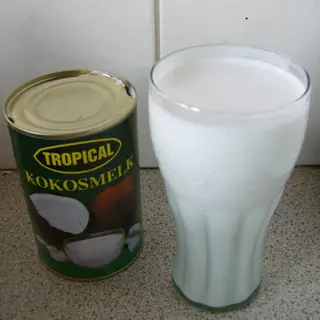
Photo credits for this page (2)
Coconut milk: Meursault2004 · CC BY-SA 3.0 · Wikimedia Commons
Sugar: Lauri Andler (Phantom) · CC BY-SA 3.0 · Wikimedia Commons
Around the world
What taro is called
Spanish
taro
French
taro · racine madère
Italian
taro
German
Taro
Russian
таро · Colocasia esculenta · Мадейра · корень Мадейры
Arabic
قلقاس · القلقاس
Chinese
芋头 · 芋頭 · 香芋
Japanese
タロイモ · タロ芋 · タロいも
Thai
เผือก
Filipino
Gabing-uwak
Samoan
Talo
Afrikaans
Taro
Show all 17 languages
Gujarati
અળવી
Kazakh
Таро
Nepali
पिंडालु
Odia
ସାରୁ · ସାଋ
Simplified Chinese
荔浦芋头
Slovenian
taro
Photos
More photos of taro
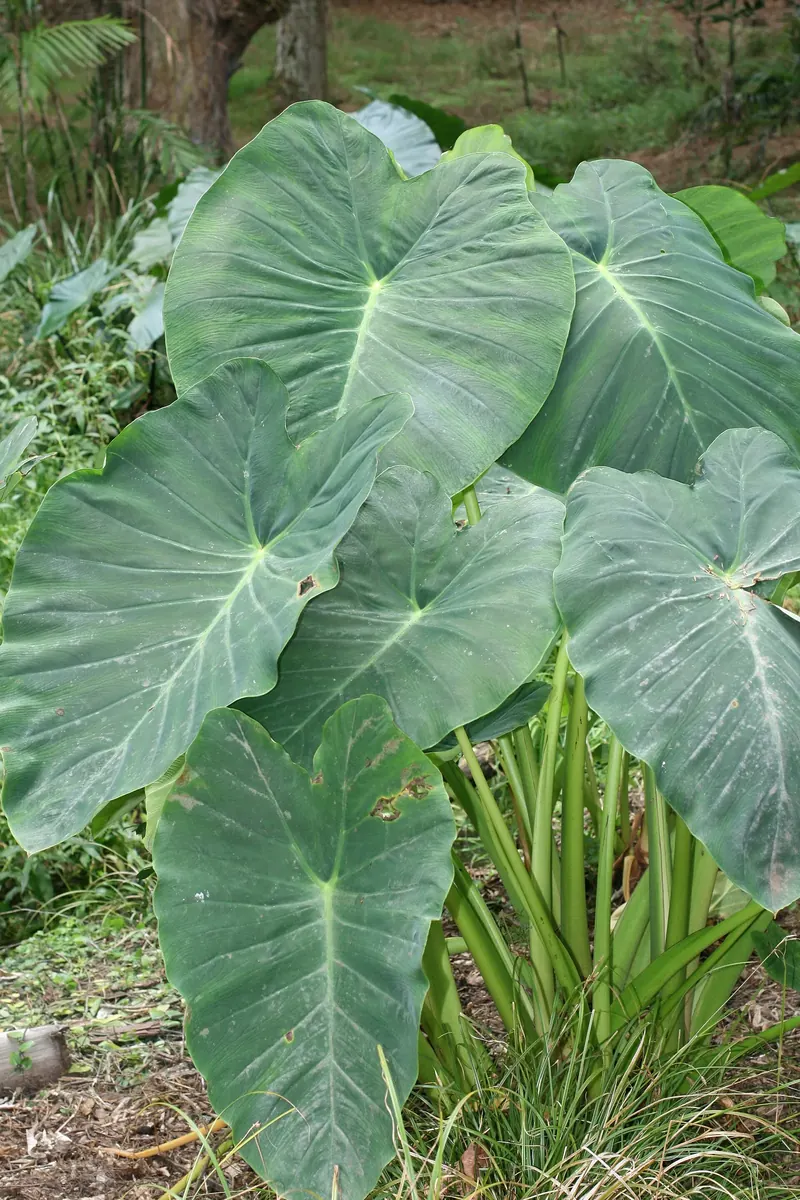
Photo: Kahuroa · Public domain · Wikimedia Commons


Sources and credits
Data
- GlobeCooks editorial: descriptions, kitchen notes and classification, written by GlobeCooks from checked sources
- USDA FoodData Central (Foundation, SR Legacy): nutrition values (Public domain (US government work, CC0))
- Wikidata: names, classification and dishes (CC0 1.0)
- Wikimedia Commons: photos
- Wikipedia (English) (CC BY-SA 4.0)
Wikidata item: Q1771944
Photos
Photo: Susan Slater · CC BY-SA 4.0 · Wikimedia Commons
Photo: Kahuroa · Public domain · Wikimedia Commons