Shrimp
CarideaAlso called prawn, caridea, prawn as food and prawn flesh
Shrimp is a crustacean and a kind of shellfish. Cooks use its muscle, and shrimp is sold dried, frozen, or whole.
- Shellfish
- Gluten-free
- Allergen: crustaceans
About the plain ingredient, not packaged products; general information, not medical advice. Details
- Category
- Fish & seafood
- Part used
- Muscle
- Cooked most in
- Asia, The Americas, Africa
- Top country
- Indonesia
- Dishes
- 33 in the catalogue
- Energy
- 71 kcal per 100 g

Photo: Gillfoto · CC BY-SA 4.0 · Wikimedia Commons

Shopping
Choosing and storing shrimp
- Sold as
- Dried, Frozen, Whole
Nutrition
What 100 g of shrimp holds
Protein 92%Fat 5%Carbohydrate 3%of the macronutrients by weight
| Energy | 71 kcal · 356 kJ |
|---|---|
| Protein | 16 g |
| Fat | 0.8 g |
| of which saturated | 0.1 g |
| Carbohydrate | 0.48 g |
| Sodium | 475 mg |
| Cholesterol | 136 mg |
| Potassium | 146 mg |
|---|---|
| Calcium | 65 mg |
| Iron | 0.52 mg |
| Magnesium | 23 mg |
| Zinc | 0.94 mg |
| Vitamin B12 | 1 µg |
Source: USDA FoodData Central (foods 175179, 2684443), public domain. Minerals and vitamins are listed only where USDA measured a non-zero amount.
Around the world
Where shrimp is cooked
Dishes by continent
Countries whose dishes use it most
Counts are catalogued dishes from each country that list shrimp among their ingredients.
Origins
1735 · United States
Cajun fishermen in Louisiana began catching and sun-drying white shrimp.
The 1900s
Freezing largely replaced canning as a method of processing shrimp.
The 1970s · China
Shrimp farming began on a significant scale, especially in China.
2007
Farmed shrimp production surpassed wild shrimp catches.
On the table
Dishes made with shrimp
Caluk noodles
Indonesia
Fideuà
Spain
Zibdieh
Jambalaya
Shrimp Creole
United States
Gỏi cuốn
Vietnam
Rivers state native soup
Nigeria
Romazava
Madagascar
Efó
Brazil
Meulemeester eggs
Belgium
Pineapple shrimp balls
Taiwan
Kuwah Pliëk U
Indonesia
Shrimp étouffée
United States
Kanji rumbi
Indonesia
Nasi langgi
Indonesia
Sapo tahu
Indonesia
Jalangkote
Indonesia
Mie celor
Indonesia
Sambal asam udueng
Indonesia
Jruek Drien
Indonesia
Lumpia Semarang
Indonesia
Sambal ganja
Indonesia
Sambal shrimp
Indonesia
Petis
Indonesia
Samtis chili sauce
Indonesia
Tekwan
Indonesia
Kuluban
Indonesia
Binte biluhuta
Indonesia
Rempah Jepara
Indonesia
Miyabiya
Tomate crevette
Honey walnut shrimp
Dish lists come from Wikidata; a dish counts when its recorded ingredients include shrimp.
Good to know
Diet and allergens: shrimp in detail
- Allergens
- Contains: crustaceansChecked and not found: soy, eggs, fish, milk, lupin, wheat, celery, sesame, mustard, peanuts, molluscs, sulphites, tree nuts, gluten cereals.
- Animal origin
- From: shellfishChecked and not found: egg, fish, meat, dairy, honey, insect, gelatin, poultry, bone char, other animal, animal fining, animal rennet.
- Gluten
- None
- Alcohol
- None
- Caffeine
- None
- Pork
- None
Family
Related forms
- A kind of
- shellfish
- Made from it
- dried shrimp (dried)
Cooked together
Often cooked with shrimp
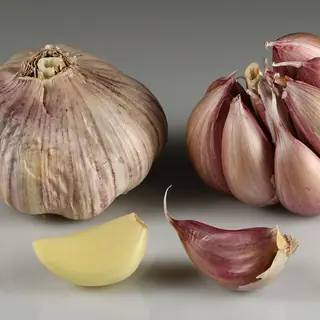
Garlic
16 shared dishes
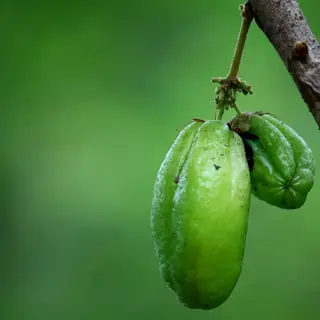
Bilimbi
2 shared dishes
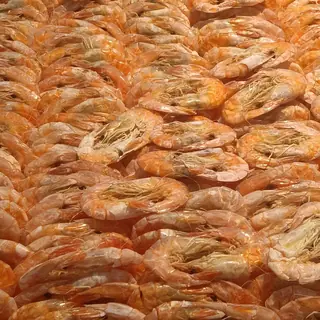
Dried shrimp
2 shared dishes
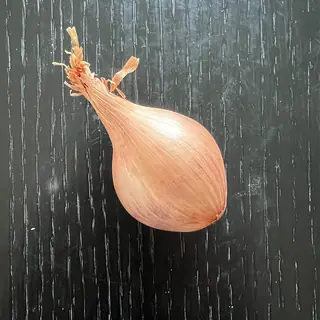
Shallot
9 shared dishes

Table salt
14 shared dishes
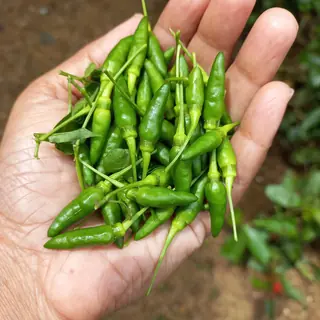
Bird's eye chili
4 shared dishes
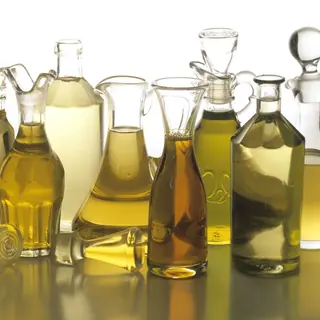
Vegetable oil
6 shared dishes
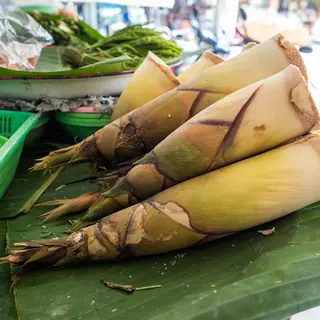
Bamboo shoots
2 shared dishes
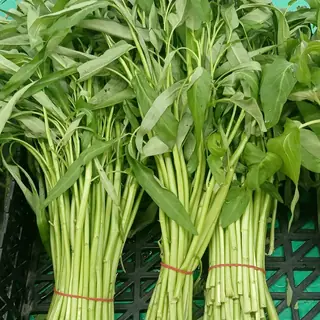
Water spinach
2 shared dishes
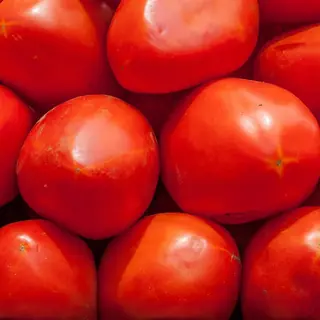
Tomato
5 shared dishes
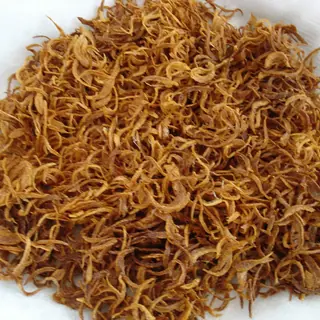
Fried onion
2 shared dishes
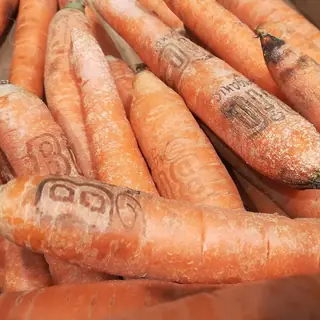
Carrot
4 shared dishes
Photo credits for this page (12)
Garlic: Ivar Leidus · CC BY-SA 4.0 · Wikimedia Commons
Bilimbi: AntanO · CC BY-SA 4.0 · Wikimedia Commons
Dried shrimp: Fumikas Sagisavas · CC0 1.0 · Wikimedia Commons
Shallot: HaJunkiyada · CC BY-SA 4.0 · Wikimedia Commons
Table salt: Dubravko Sorić SoraZG on Flickr · CC BY 2.0 · Wikimedia Commons
Bird's eye chili: Daizy John · CC BY-SA 4.0 · Wikimedia Commons
Vegetable oil: Netojinn · CC BY-SA 4.0 · Wikimedia Commons
Bamboo shoots: Takeaway · CC BY-SA 4.0 · Wikimedia Commons
Water spinach: Fumikas Sagisavas · CC0 1.0 · Wikimedia Commons
Fried onion: Hartej.hundal · CC BY-SA 4.0 · Wikimedia Commons
Carrot: MOs810 · CC BY-SA 4.0 · Wikimedia Commons


Around the world
What shrimp is called
Spanish
gamba
French
crevette · chevrette
Italian
gamberetto
Portuguese
camarão
German
Garnele · Shrimp · Schrimps · Crevette
Dutch
garnaal · garnalen
Greek
γαρίδα
Turkish
karides
Russian
креветки · креветка
Arabic
جمبري
Persian
میگو
Hebrew
חסילון · שרימפ
Show all 66 languages
Achinese
udeuëng
Akan
monko
ami
kafos
Bangla
চিংড়ি
Basque
Izkira
Brazilian Portuguese
camarão
Breton
chevrenn
Cajun French
chevrette
Cantonese
蝦
Catalan
gamba · gambes
Central Kurdish
مەیگوو
Cherokee
ᎽᏈ
Cheyenne
hetótóhne
Chinese
虾 · 蝦 · 虾头 · 海虾
Czech
krevety
Danish
reje
Esperanto
salikoko
Faroese
rækja
Finnish
katkaravut
Fon
degɔn
Galician
gamba
Hungarian
garnéla
Indonesian
udang
Interlingue
crevette
Inupiaq
Iḷagigak
Irish
séacla
Japanese
エビ · 海老 · 蝦 · 蛯
Javanese
urang · urang (kéwan) · udang minangka
Korean
새우
Latin
Squilla
Literary Chinese
蝦
Macedonian
ракчиња · ракче
Malagasy
makamba
Manchu
ᠰᠠᠮᡦᠠ
mcn
dìwéŋŋá
Norwegian Bokmål
reker
nrm
chèrvette
Occitan
cambaròta
Romanian
crevete
Santali
ᱤᱪᱟᱹᱜ
Serbian
шкампи
Shan
ငႅဝ်း
Sicilian
gàmmaru
Simplified Chinese
虾
Simplified Chinese (China)
虾
Slovenian
kozica
Somali
kalluuna golof macaduwan
Swahili
uduvi
Swedish
räkor
Swiss High German
Garnele
szy
kabus
Tamil
சென்னாக்கூனி
Thai
กุ้งฝอย
Traditional Chinese
蝦
Traditional Chinese (Taiwan)
蝦
Vietnamese
tôm
Walloon
gurnåte
Welsh
berdysen · perdysen · berdysyn · berdasen
Yoruba
edé · idé
Zhuang
gungq
Sources and credits
Data
- GlobeCooks editorial: descriptions, kitchen notes and classification, written by GlobeCooks from checked sources
- USDA FoodData Central (Foundation, SR Legacy): nutrition values (Public domain (US government work, CC0))
- Wikidata: names, classification and dishes (CC0 1.0)
- Wikimedia Commons: photos
- Wikipedia (English) (CC BY-SA 4.0)
Wikidata item: Q1517781
Photos
Photo: Gillfoto · CC BY-SA 4.0 · Wikimedia Commons