Lima bean
Phaseolus lunatusAlso called Phaseolus lunatus
Lima beans are bean seeds sold canned or dried. Cooks boil, simmer, or roast them.
- Plant-based
- Gluten-free
- No listed allergens
About the plain ingredient, not packaged products; general information, not medical advice. Details
- Category
- Beans & pulses
- Part used
- Seed
- Family
- Fabaceae
- Cooked most in
- Africa
- Top country
- Senegal
- Dishes
- 1 in the catalogue
- Energy
- 338 kcal per 100 g

Photo: Gaurav Dhwaj Khadka · CC BY-SA 4.0 · Wikimedia Commons

In the kitchen
How to use lima bean
Typical ways to cook or use it
- Boil simmer
- Roast
Preparing it
For curries, dried beans can be soaked overnight before pressure cooking.
Cooking with it
Canned beans are precooked and do not need boiling before eating.
Shopping
Choosing and storing lima bean
- Sold as
- Canned, Dried
Nutrition
What 100 g of lima bean holds
Protein 25%Fat 1%Carbohydrate 74%of the macronutrients by weight
| Energy | 338 kcal · 1,414 kJ |
|---|---|
| Protein | 21 g |
| Fat | 0.69 g |
| of which saturated | 0.16 g |
| Carbohydrate | 63 g |
| of which sugars | 8.5 g |
| Fibre | 19 g |
| Sodium | 18 mg |
| Cholesterol | 0 mg |
| Potassium | 1,724 mg |
|---|---|
| Calcium | 81 mg |
| Iron | 7.5 mg |
| Magnesium | 224 mg |
| Zinc | 2.8 mg |
| Folate | 395 µg |
Source: USDA FoodData Central (food 174252), public domain. Minerals and vitamins are listed only where USDA measured a non-zero amount.
Around the world
Where lima bean is cooked
Dishes by continent
Countries whose dishes use it most
Counts are catalogued dishes from each country that list lima bean among their ingredients.
Origins
- Native to
- Peru
- First cultivated
- in South America, about 2,000 BCE
About 1300
Cultivation spread north of the Rio Grande.
The 1500s
Cultivation began in the Old World.
On the table
Dishes made with lima bean
Thiebou Yapp
Senegal
Dish lists come from Wikidata; a dish counts when its recorded ingredients include lima bean.
Good to know
Diet and allergens: lima bean in detail
- Allergens
- None of the 15 listed allergens foundChecked and not found: soy, eggs, fish, milk, lupin, wheat, celery, sesame, mustard, peanuts, molluscs, sulphites, tree nuts, crustaceans, gluten cereals.
- Animal origin
- No animal ingredients foundChecked and not found: egg, fish, meat, dairy, honey, insect, gelatin, poultry, bone char, shellfish, other animal, animal fining, animal rennet.
- Gluten
- None
- Alcohol
- None
- Caffeine
- None
- Pork
- None
Family
Related forms
- A kind of
- bean
Cooked together
Often cooked with lima bean

Balsamic vinegar
1 shared dish
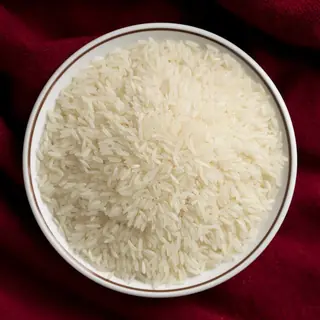
Jasmine rice
1 shared dish
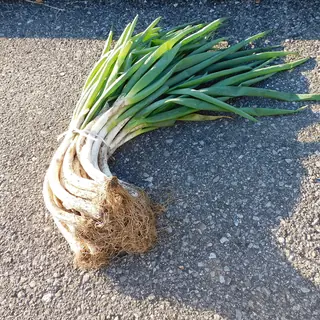
Welsh onion
1 shared dish
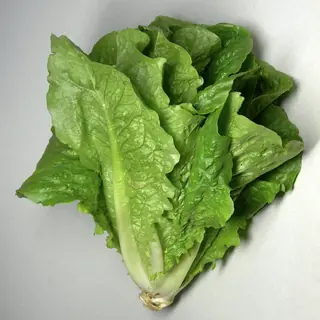
Lettuce
1 shared dish
Honey
1 shared dish
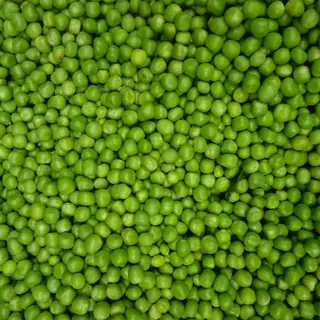
Pea
1 shared dish
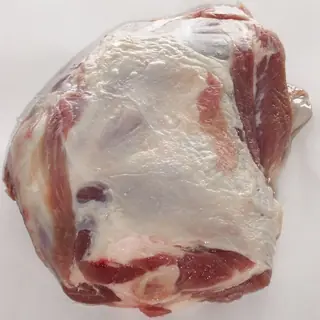
Lamb meat
1 shared dish
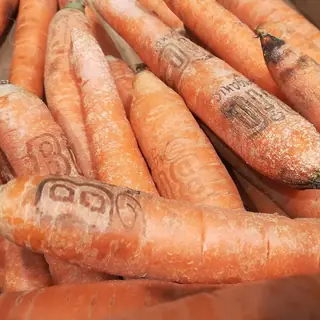
Carrot
1 shared dish
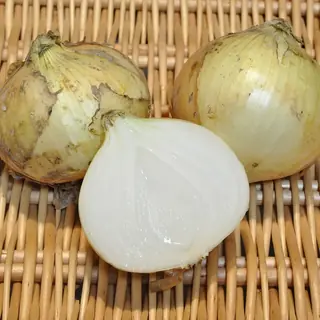
Onion
1 shared dish
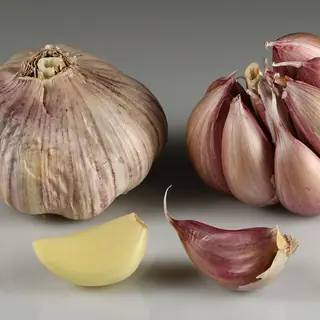
Garlic
1 shared dish
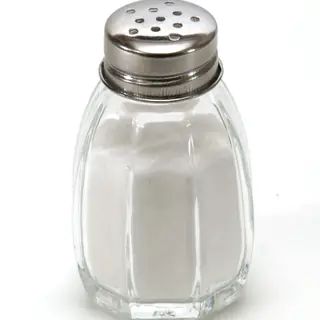
Table salt
1 shared dish
Photo credits for this page (11)
Balsamic vinegar: Rainer Zenz · CC BY-SA 3.0 · Wikimedia Commons
Jasmine rice: Takeaway · CC BY-SA 4.0 · Wikimedia Commons
Welsh onion: Miyuki Meinaka · CC BY-SA 4.0 · Wikimedia Commons
Lettuce: Rainer Zenz · CC BY-SA 3.0 · Wikimedia Commons
Pea: David Adam Kess · CC BY-SA 4.0 · Wikimedia Commons
Lamb meat: Pujanak · Public domain · Wikimedia Commons
Carrot: MOs810 · CC BY-SA 4.0 · Wikimedia Commons
Garlic: Ivar Leidus · CC BY-SA 4.0 · Wikimedia Commons
Table salt: Dubravko Sorić SoraZG on Flickr · CC BY 2.0 · Wikimedia Commons


Around the world
What lima bean is called
Spanish
pallar · garrofón · judía de Lima · haba de Lima
French
haricot de Lima · Fève de Lima · Phaseolus lunatus · Pois de souche
Italian
Phaseolus lunatus · fagiolo di Lima
Portuguese
Feijão-de-lima · Feijão de lima · Phaseolus lunatus
German
Limabohne · Mondbohne · Phaseolus lunatus
Dutch
Phaseolus lunatus · Limaboon · Olifantenboon · Boterboon
Greek
Φασόλι Λίμα
Turkish
Phaseolus lunatus
Russian
Phaseolus lunatus · фасоль луновидная
Polish
Fasola półksiężycowata · Fasola limeńska · Phaseolus lunatus
Persian
لوبیای لیما
Hebrew
שעועית לימה
Show all 64 languages
Albanian
Phaseolus lunatus
Aragonese
Phaseolus lunatus
Asturian
Phaseolus lunatus
Azerbaijani
Phaseolus lunatus
Balinese
Kara
Basque
Limako babarrun · Phaseolus lunatus
Belarusian
Phaseolus lunatus
Bikol
Perkoles
Brazilian Portuguese
Phaseolus lunatus
Bulgarian
Phaseolus lunatus
Burmese
ပဲဖြူကလေး
Cantonese
荷包豆
Catalan
garrofó · Garrofons · Mongetera de Lima · Phaseolus lunatus
Cebuano
Phaseolus lunatus
Chinese
棉豆 · 利馬豆 · 大白芸豆 · 香豆
Croatian
Mjesečev grah · Phaseolus lunatus
Czech
Phaseolus lunatus
Egyptian Arabic
فاسولوس لوناتوس
Esperanto
Limofazeolo · Phaseolus lunatus
Estonian
Phaseolus lunatus
Extremaduran
Phaseolus lunatus
Filipino
Patani
Finnish
limanpapu · Phaseolus lunatus
Galician
Phaseolus lunatus
Haitian Creole
Pwachouk · Phaseolus lunatus
Hindi
phaseolus lunatus
Ido
Phaseolus lunatus
Iloko
Patani · Phaseolus lunatus
Indonesian
Kacang kratok · Phaseolus lunatus · Kacang lima
Interlingua
Phaseolus lunatus
Interlingue
Phaseolus lunatus
Irish
pónaire mhór · Phaseolus lunatus
Japanese
ライマメ · 葵豆 · ぺちゃ豆 · リママメ
Korean
리마콩
Latin
Phaseolus lunatus
Madurese
Krato'
Malagasy
Kabaro · Tsidimy
Malay
Kacang serinding
Malayalam
ബട്ടർ ബീൻസ് · Phaseolus lunatus · Butter bean
Occitan
Phaseolus lunatus
Pampanga
Bule
Romanian
Phaseolus lunatus
Serbian
Лима пасуљ · Phaseolus lunatus
Shan
တူၼ်ႈထူဝ်ႇၶႆႇၵႆႇ
Simplified Chinese
棉豆
Simplified Chinese (China)
棉豆
Slovenian
limski fižol · Phaseolus lunatus
Sundanese
Roay
Swahili
Mfiwi
Swedish
Limaböna · Phaseolus lunatus · smörböna · månböna
Thai
ถั่วราชมาษ
Traditional Chinese
棉豆
Traditional Chinese (Hong Kong SAR China)
棉豆
Ukrainian
Phaseolus lunatus
Vietnamese
Phaseolus lunatus
Volapük
Phaseolus lunatus
Waray
Phaseolus lunatus
Sources and credits
Data
- GlobeCooks editorial: descriptions, kitchen notes and classification, written by GlobeCooks from checked sources
- USDA FoodData Central (Foundation, SR Legacy): nutrition values (Public domain (US government work, CC0))
- Wikidata: names, classification and dishes (CC0 1.0)
- Wikimedia Commons: photos
- Wikipedia (English) (CC BY-SA 4.0)
Wikidata item: Q1166136
Photos
Photo: Gaurav Dhwaj Khadka · CC BY-SA 4.0 · Wikimedia Commons