Pea
Pisum sativum, PisumAlso called pisum
A pea is a tender seed that cooks treat as a vegetable. Peas can be eaten raw, boiled, simmered, roasted, steamed, or stewed, and pair with butter and spearmint. They are sold fresh, frozen, canned, or dried.
- Plant-based
- Gluten-free
- No listed allergens
About the plain ingredient, not packaged products; general information, not medical advice. Details
- Category
- Vegetables
- Part used
- Seed
- Family
- Fabaceae
- Texture
- Tender
- Top country
- Poland
- Dishes
- 14 in the catalogue
- Energy
- 52 kcal per 100 g

Photo: David Adam Kess · CC BY-SA 4.0 · Wikimedia Commons
In the kitchen
How to use pea
Typical ways to cook or use it
- Boil simmer
- Raw
- Roast
- Steam
- Stew
Preparing it
Shell peas before freezing them.
Cooking with it
Boiling or steaming makes peas taste sweeter.
Goes well with
Flavour
Taste and texture
Texture
- Tender
Shopping
Choosing and storing pea
Choosing a good one
Smaller peas are graded more highly for tenderness.
- Sold as
- Canned, Dried, Fresh, Frozen
Nutrition
What 100 g of pea holds
Protein 27%Fat 3%Carbohydrate 70%of the macronutrients by weight
| Energy | 52 kcal · 218 kJ |
|---|---|
| Protein | 3.5 g |
| Fat | 0.38 g |
| of which saturated | 0.07 g |
| Carbohydrate | 9 g |
| of which sugars | 4.8 g |
| Fibre | 3.1 g |
| Sodium | 5 mg |
| Cholesterol | 0 mg |
| Potassium | 217 mg |
|---|---|
| Calcium | 59 mg |
| Iron | 2.4 mg |
| Magnesium | 28 mg |
| Zinc | 0.49 mg |
| Vitamin C | 22 mg |
| Vitamin A (RAE) | 66 µg |
| Folate | 35 µg |
Source: USDA FoodData Central (food 170418), public domain. Minerals and vitamins are listed only where USDA measured a non-zero amount.
Around the world
Where pea is cooked
Origins
- Native to
- Western Asia
16XX/17XX
Eating fresh, immature peas became popular during the 17th and 18th centuries.
1660 · Italy and France
Green peas were brought from Genoa to the French royal court in January 1660.
On the table
Dishes made with pea
Thiebou Yapp
Senegal
Aşure
Franciasaláta
Hungary, Russia
Tetal
Indonesia
Samosa
Hototay
Xidoufen
Mattar paneer
India
Peas with salo
Poland
Pea soup
Lashka
Dish lists come from Wikidata; a dish counts when its recorded ingredients include pea.
Good to know
Diet and allergens: pea in detail
- Allergens
- None of the 15 listed allergens foundChecked and not found: soy, eggs, fish, milk, lupin, wheat, celery, sesame, mustard, peanuts, molluscs, sulphites, tree nuts, crustaceans, gluten cereals.
- Animal origin
- No animal ingredients foundChecked and not found: egg, fish, meat, dairy, honey, insect, gelatin, poultry, bone char, shellfish, other animal, animal fining, animal rennet.
- Gluten
- None
- Alcohol
- None
- Caffeine
- None
- Pork
- None
Cooked together
Often cooked with pea
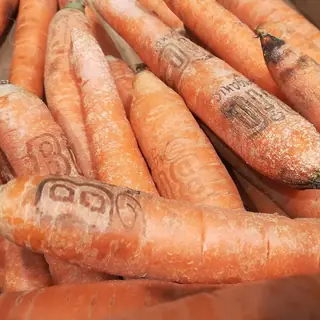
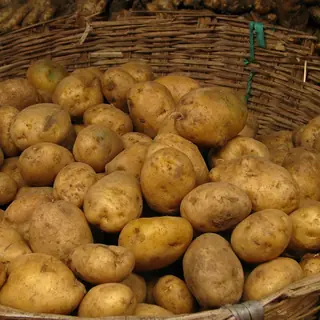

Photo credits for this page (2)
Carrot: MOs810 · CC BY-SA 4.0 · Wikimedia Commons
Potato: McKay Savage from London, UK · CC BY 2.0 · Wikimedia Commons


Around the world
What pea is called
Spanish
guisante
French
pois
Italian
pisello
German
Erbse · grüne Erbse · Erbsensamen
Dutch
erwt
Russian
горох · горошина · горошины
Polish
groch · groszek
Arabic
بزاليا
Hebrew
אפונה
Japanese
エンドウマメ · えんどう豆 · 豌豆豆 · エンドウ豆
Belarusian
гарох · гарошак · гарошына · гарошыны
Catalan
pèsol
Show all 22 languages
Czech
hrášek
Danish
ært · grønært
Esperanto
pizo
Estonian
herned
Hungarian
borsó
Slovak
hrášok
Slovenian
grah
Swedish
ärta
Tatar
борчак
Tatar (Cyrillic)
борчак
Upper Sorbian
hroch · zeleny hroch
Sources and credits
Data
- GlobeCooks editorial: descriptions, kitchen notes and classification, written by GlobeCooks from checked sources
- USDA FoodData Central (Foundation, SR Legacy): nutrition values (Public domain (US government work, CC0))
- Wikidata: names, classification and dishes (CC0 1.0)
- Wikimedia Commons: photos
- Wikipedia (English) (CC BY-SA 4.0)
Wikidata item: Q29472543
Photos
Photo: David Adam Kess · CC BY-SA 4.0 · Wikimedia Commons