Dill
Anethum graveolensAlso called Anethum graveolens
Dill is an herb whose buds, flowers, leaves, roots, seeds, and stems are used in cooking. Cooks use it raw, in dressings and pickles, as a garnish or seasoning, and in baked, stir-fried, and stuffed dishes. It pairs with fish, potatoes, cucumber, cabbage, chives, and sour cream.
- Plant-based
- Gluten-free
- No listed allergens
About the plain ingredient, not packaged products; general information, not medical advice. Details
- Category
- Herbs & spices
- Part used
- Bud, flower, leaf, root, seed, stem
- Family
- Apiaceae
- Top country
- Algeria
- Dishes
- 3 in the catalogue
- Energy
- 43 kcal per 100 g

Photo: SA, The Green Ark Bostanie · CC BY 4.0 · Wikimedia Commons
In the kitchen
How to use dill
Typical ways to cook or use it
- Bake
- Dressing
- Garnish
- Pickle
- Raw
- Season
- Stir fry
- Stuff
Preparing it
Finely cut fresh leaves for a soup topping.
If you don’t have dill
- fennel fruit · Works in a pinch, for cooked
Use non-bulbing fennel in steamed buns or filled flatbreads.
Shopping
Choosing and storing dill
Choosing a good one
Choose fresh dill when possible; drying quickly diminishes its flavour.
Nutrition
What 100 g of dill holds
Protein 30%Fat 10%Carbohydrate 61%of the macronutrients by weight
| Energy | 43 kcal · 180 kJ |
|---|---|
| Protein | 3.5 g |
| Fat | 1.1 g |
| of which saturated | 0.06 g |
| Carbohydrate | 7 g |
| Fibre | 2.1 g |
| Sodium | 61 mg |
| Cholesterol | 0 mg |
| Potassium | 738 mg |
|---|---|
| Calcium | 208 mg |
| Iron | 6.6 mg |
| Magnesium | 55 mg |
| Zinc | 0.91 mg |
| Vitamin C | 85 mg |
| Vitamin A (RAE) | 386 µg |
| Folate | 150 µg |
Dried
Protein 25%Fat 5%Carbohydrate 70%of the macronutrients by weight
| Energy | 253 kcal · 1,059 kJ |
|---|---|
| Protein | 20 g |
| Fat | 4.4 g |
| of which saturated | 0.23 g |
| Carbohydrate | 56 g |
| Fibre | 14 g |
| Sodium | 208 mg |
| Cholesterol | 0 mg |
| Potassium | 3,308 mg |
|---|---|
| Calcium | 1,784 mg |
| Iron | 49 mg |
| Magnesium | 451 mg |
| Zinc | 3.3 mg |
| Vitamin C | 50 mg |
| Vitamin A (RAE) | 293 µg |
Source: USDA FoodData Central (foods 172233, 171322), public domain. Minerals and vitamins are listed only where USDA measured a non-zero amount.
Around the world
Where dill is cooked
Origins
- Native to
- Northern Africa, Iran, Western Asia
On the table
Dishes made with dill
Zelekivka zlyvanka
Ukraine
Spanakorizo
Greece
Dish lists come from Wikidata; a dish counts when its recorded ingredients include dill.
Good to know
Diet and allergens: dill in detail
- Allergens
- None of the 15 listed allergens foundChecked and not found: soy, eggs, fish, milk, lupin, wheat, celery, sesame, mustard, peanuts, molluscs, sulphites, tree nuts, crustaceans, gluten cereals.
- Animal origin
- No animal ingredients foundChecked and not found: egg, fish, meat, dairy, honey, insect, gelatin, poultry, bone char, shellfish, other animal, animal fining, animal rennet.
- Gluten
- None
- Alcohol
- None
- Caffeine
- None
- Pork
- None
Cooked together
Often cooked with dill
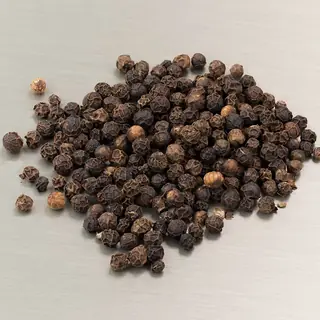
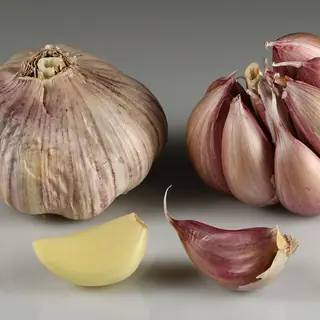

Photo credits for this page (2)
Garlic: Ivar Leidus · CC BY-SA 4.0 · Wikimedia Commons


Around the world
What dill is called
Spanish
Anethum graveolens · Peucedanum sowa · Eneldo · Anetaverón
French
aneth · Aneth Odorant · Anethum graveolens · Fenouil bâtard
Italian
Anethum graveolens · aneto
Portuguese
Endro · Aneto · Anethum graveolens
German
Dill · Dille · Dillöl · Anethum graveolens
Dutch
dille · Anethum Graveolens · Gele dille
Greek
Άνηθος · Άνηθον · Άνηθο
Turkish
Dereotu · Anethum graveolens · Dere otu
Russian
укроп · Anethum graveolens · укроп обыкновенный · анетум
Polish
koper ogrodowy · Anethum graveolens
Arabic
شبت · الشبت
Persian
شوید · شبت
Show all 122 languages
Afrikaans
Dille
Albanian
kopra · Anethum graveolens
Amharic
እንስላል
Ancient Greek
ἄνηθον
Aragonese
Anethum graveolens
Armenian
սամիթ
Asturian
Anethum graveolens
azb
ایلی شویود
Azerbaijani
Şüyüd
Bangla
শুলফা
Bashkir
Укроп
Basque
Ezamihilu
Belarusian
Кроп
Belarusian (Taraskievica orthography)
кроп · кроп пахкі · кроп звычайны · кроп агародны
Bhojpuri
सोआ
Bosnian
kopar
Brazilian Portuguese
Endro · Anethum graveolens
Breton
fanouilh-gad
Bulgarian
копър · Anethum graveolens
Burmese
စမြိတ်ပင် · စမုန်ညို
Cantonese
莳萝
Catalan
anet · Peucedanum graveolens · Anethum graveolens
Cebuano
Anethum graveolens
Central Kurdish
دۆراغ
Chinese
蒔蘿 · 蒔蘿屬 · 莳萝 · 洋茴香
Chuvash
укроп
Corsican
finochju
Croatian
Kopar (biljna vrsta) · mirođija, dil, slatki januš, koper
Czech
kopr vonný · Anethum graveolens · kopr
Danish
dild · Anethum graveolens
Divehi
ދަމުއި
Egyptian Arabic
شبت
Erzya
Копёр · Anethum graveolens
Esperanto
Aneto
Estonian
aedtill
Extremaduran
Anethum graveolens
Faroese
dild
Finnish
tilli · Anethum graveolens · maustetilli
Galician
Aneto
Georgian
კამა
Haitian Creole
Lanni
Hebrew
שבת ריחני · שמיר · Anethum graveolens
Hindi
सोआ
Hungarian
kapor · Anethum graveolens · kerti kapor
Icelandic
Dill · Sólselja
Ido
Aneto
Indonesian
adas sowa
Ingush
Нарсий аьрхI
Interlingua
Anethum graveolens
Interlingue
Anethum graveolens
Irish
lus mín
Japanese
イノンド · ディル · 蒔蘿
Javanese
Dill
Kannada
ಸಬ್ಬಸಿಗೆ · ಸಬ್ಸಿಗೆ
Kashubian
Dil
Kazakh
Аскөк
Korean
딜
Lao
ຜັກຊີ
Latin
Anethum · Anethum graveolens
Latvian
dilles · Anethum graveolens · Dille · Parastās dilles
lbe
гъаран · Anethum graveolens
Literary Chinese
蒔蘿
Lithuanian
Krapas · Anethum graveolens · Paprastasis krapas
Lower Sorbian
kopš · dyla
Luxembourgish
Dëll · Dill · Kornischongskraut · Anethum graveolens
Macedonian
ко́пар · ко́прец · миру́дија · миро́дија
Malagasy
Aneta · karaotintsovaly
Malay
adas
Malayalam
ചതകുപ്പ · Dill · ശതകുപ്പ
Marathi
शेपू
Mazanderani
شوید
Nepali
डिल
Northern Frisian
Dil
Norwegian Bokmål
dill · Anethum graveolens
Norwegian Nynorsk
dill · Anethum graveolens
Occitan
anet
Odia
ସୋୟା
Ossetic
Хъонтхора · Anethum graveolens
Pampanga
eneldu · abesun
Picard
Anéte · Anethum graveolens
Punjabi
ਸੋਏ
Romanian
Mărar · Anethum graveolens
Samogitian
Kraps
Sanskrit
मिश्रेयसस्यम्
Serbian
мирођија · Anethum graveolens
Serbian (Latin)
Kopar · Mirođija
Shan
ၽၵ်းၵီးမုင်ႇ
Simplified Chinese
莳萝
Simplified Chinese (China)
莳萝
Sindhi
سوئا
Sinhala
Anethum graveolens
Slovak
Kôpor voňavý · Anethum graveolens
Slovenian
navadni koper · Anethum graveolens · koper · dil
Swahili
Bizari
Swedish
dill · Anethum graveolens
Tajik
Шибит
Talysh
Šivit
Tamil
சதகுப்பி
Tatar
шөет · туран уты
Telugu
శత పుష్పం
Thai
ผักชีลาว · Anethum graveolens
Traditional Chinese (Taiwan)
蒔蘿
Tunisian Arabic (Arabic)
شبت
Tunisian Arabic (Latin)
ch'ebt
Tuvinian
Койнут
Ukrainian
Кріп пахучий · Кріп · Anethum graveolens · Кріп запашний
Urdu
شِبِت · Dill
Veps
Ukrop
Vietnamese
Thì là · Anethum graveolens · Rau thì là
Volapük
Anethum graveolens
Waray
Anethum graveolens
Welsh
Llysiau`r gwewyr
Western Mari
Ӓнис · Anethum graveolens
Western Panjabi
سویا
Wolof
Anet
Wu Chinese
莳萝
Sources and credits
Data
- GlobeCooks editorial: descriptions, kitchen notes and classification, written by GlobeCooks from checked sources
- USDA FoodData Central (Foundation, SR Legacy): nutrition values (Public domain (US government work, CC0))
- Wikidata: names, classification and dishes (CC0 1.0)
- Wikimedia Commons: photos
- Wikipedia (English) (CC BY-SA 4.0)
Wikidata item: Q26686
Photos
Photo: SA, The Green Ark Bostanie · CC BY 4.0 · Wikimedia Commons