Chickpea
Cicer arietinumAlso called garbanzo bean, garbanzo beans and chick pea
Chickpeas are legume seeds that are soft when cooked. They can be boiled, simmered, blended into a paste, roasted, or used in stews. They pair with bread and rice.
- Plant-based
- Gluten-free
- No listed allergens
About the plain ingredient, not packaged products; general information, not medical advice. Details
- Category
- Beans & pulses
- Part used
- Seed
- Family
- Fabaceae
- Texture
- Soft
- Top country
- Spain
- Dishes
- 12 in the catalogue

Photo: AlixSaz · CC BY-SA 4.0 · Wikimedia Commons
In the kitchen
How to use chickpea
Flavour
Taste and texture
Texture, cooked
- Soft
Around the world
Where chickpea is cooked
Origins
3,300 BCE · Egypt
Cultivation of domesticated chickpeas is documented in Egypt from 3300 BCE.
3,300 BCE · Egypt
Chickpea cultivation is documented in Egypt from this date onward.
-1750/-1500 · Southern Asia
Archaeological evidence dates chickpea cultivation in the Indian subcontinent to this period.
1,400 BCE · Egypt
Chickpea specimens dating to 1400 BCE were found at Deir el-Medina.
The 1500s · Americas
Spanish and Portuguese people brought chickpea cultivation to the Americas.
The 1500s · Americas
Spanish and Portuguese people introduced chickpea cultivation to the Americas.
The 1700s · India and Afghanistan
The Kabuli variety reached India from Afghanistan.
1793 · Europe
A German writer recorded the use of roasted, ground chickpeas in place of coffee.
On the table
Dishes made with chickpea
Arròs al forn
Spain
Koshari
Egypt
Dhokla
India
Falafel
Balila
Lebanon
Callos con garbanzos
Türkiye
Doxave
Cocido
Spain
Chana masala
India
Dish lists come from Wikidata; a dish counts when its recorded ingredients include chickpea.
Good to know
Diet and allergens: chickpea in detail
- Allergens
- None of the 15 listed allergens foundChecked and not found: soy, eggs, fish, milk, lupin, wheat, celery, sesame, mustard, peanuts, molluscs, sulphites, tree nuts, crustaceans, gluten cereals.
- Animal origin
- No animal ingredients foundChecked and not found: egg, fish, meat, dairy, honey, insect, gelatin, poultry, bone char, shellfish, other animal, animal fining, animal rennet.
- Gluten
- None
- Alcohol
- None
- Caffeine
- None
- Pork
- None
Family
Related forms
- Made from it
- besan
Cooked together
Often cooked with chickpea
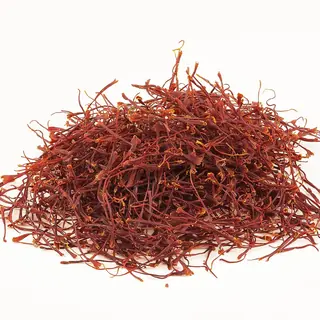
Saffron
2 shared dishes
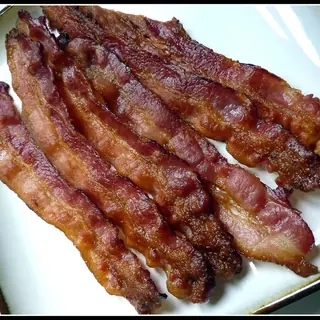
Bacon
2 shared dishes
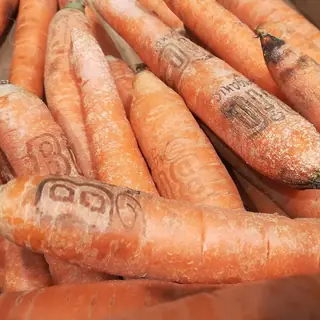
Carrot
2 shared dishes
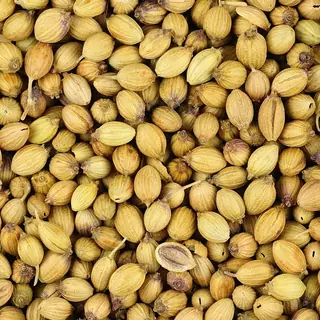
Coriander seed
2 shared dishes
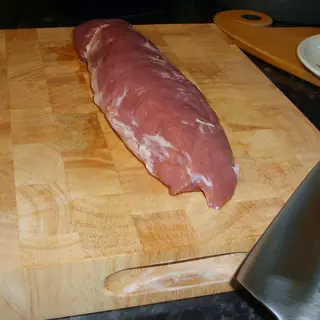
Pork
2 shared dishes
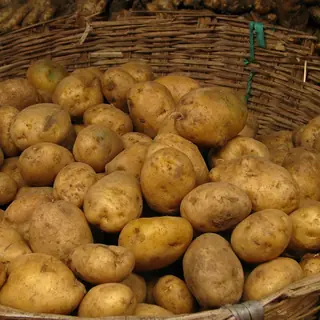
Potato
2 shared dishes
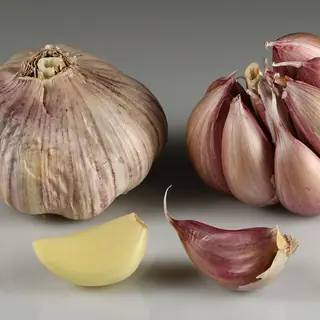
Garlic
3 shared dishes
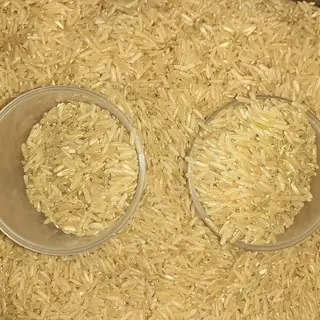
Rice
2 shared dishes
Photo credits for this page (8)
Saffron: Hubertl · CC BY-SA 4.0 · Wikimedia Commons
Bacon: Lara604 from Seattle, WA · CC BY 2.0 · Wikimedia Commons
Carrot: MOs810 · CC BY-SA 4.0 · Wikimedia Commons
Coriander seed: Sanjay Acharya · CC BY-SA 4.0 · Wikimedia Commons
Pork: Father.Jack from Coventry, UK · CC BY 2.0 · Wikimedia Commons
Potato: McKay Savage from London, UK · CC BY 2.0 · Wikimedia Commons
Garlic: Ivar Leidus · CC BY-SA 4.0 · Wikimedia Commons
Rice: Musclewingz Yueyua · CC BY-SA 4.0 · Wikimedia Commons
Around the world
What chickpea is called
Spanish
garbanzo · garbanzos · arvejas
French
pois chiche · pois chiches
Italian
cece
Portuguese
grão-de-bico
German
Kichererbse · Kichererbsen
Dutch
kikkererwt · kikkererwten
Greek
ρεβίθι
Turkish
nohut
Russian
нут · турецкий горох
Polish
ciecierzyca
Arabic
حمص شائع
Hebrew
גרגרי חומוס
Show all 39 languages
Basque
txitxirio
Belarusian (Taraskievica orthography)
нут
Bulgarian
нахут
Burmese
ကုလားပဲ
Catalan
cigró · cigrons · ciuró
Cebuano
garbanso · garbanzo
Croatian
slanutak
Czech
cizrna
Danish
kikært · kikærter
Esperanto
kikersemo · kikero
Estonian
kikerhernes
Finnish
kikherne · kahviherne
Galician
garavanzo
Gujarati
ચણા
Hungarian
csicseriborsó
Irish
piseánach
Japanese
ひよこ豆 · ヒヨコマメ · ヒヨコ豆
Latvian
aunazirņi
Lithuanian
avinžirniai
Malay
kacang kuda
Malayalam
കടല
Norwegian Nynorsk
kikert
Romanian
năut · grãos-de-bico
Shan
ထူဝ်ႇႁူဝ်ၸၢင်ႉ
Slovenian
čičerika
Swedish
kikärt · kikärter · kikärtor
Ukrainian
нут
Photos
More photos of chickpea
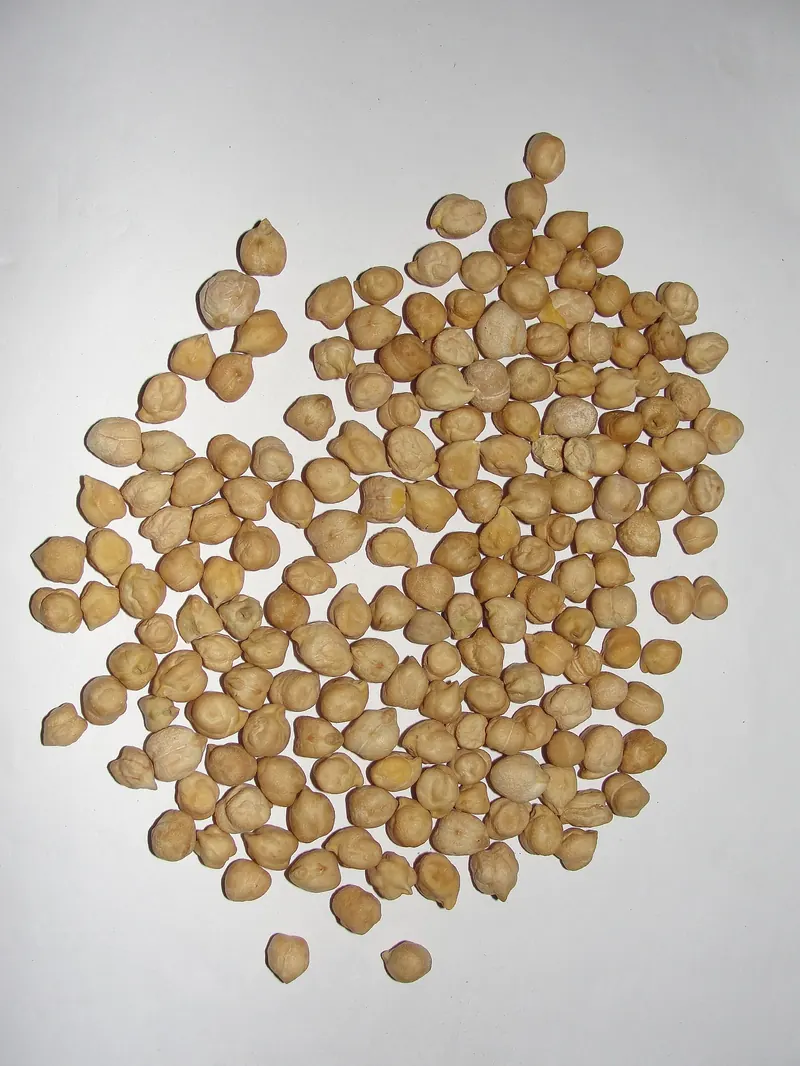
Photo: Thamizhpparithi Maari · CC BY-SA 3.0 · Wikimedia Commons
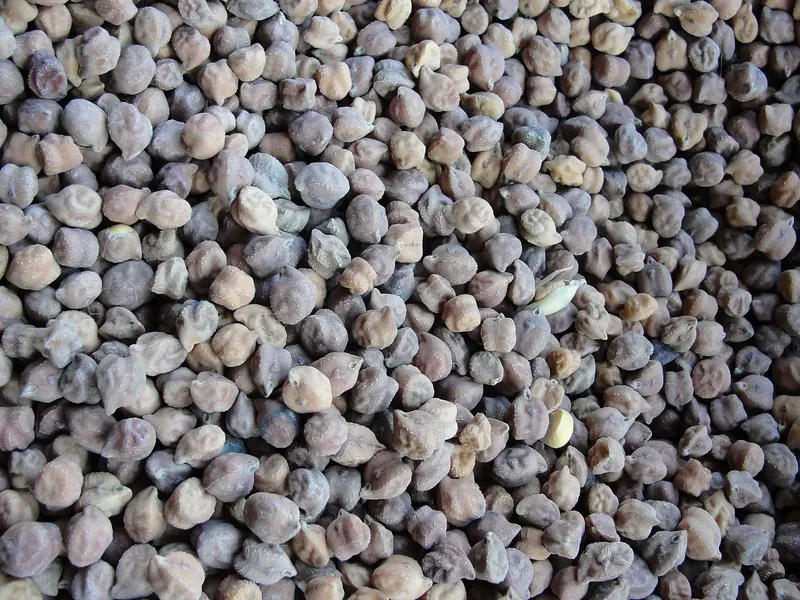
Photo: Thamizhpparithi Maari · CC BY-SA 3.0 · Wikimedia Commons
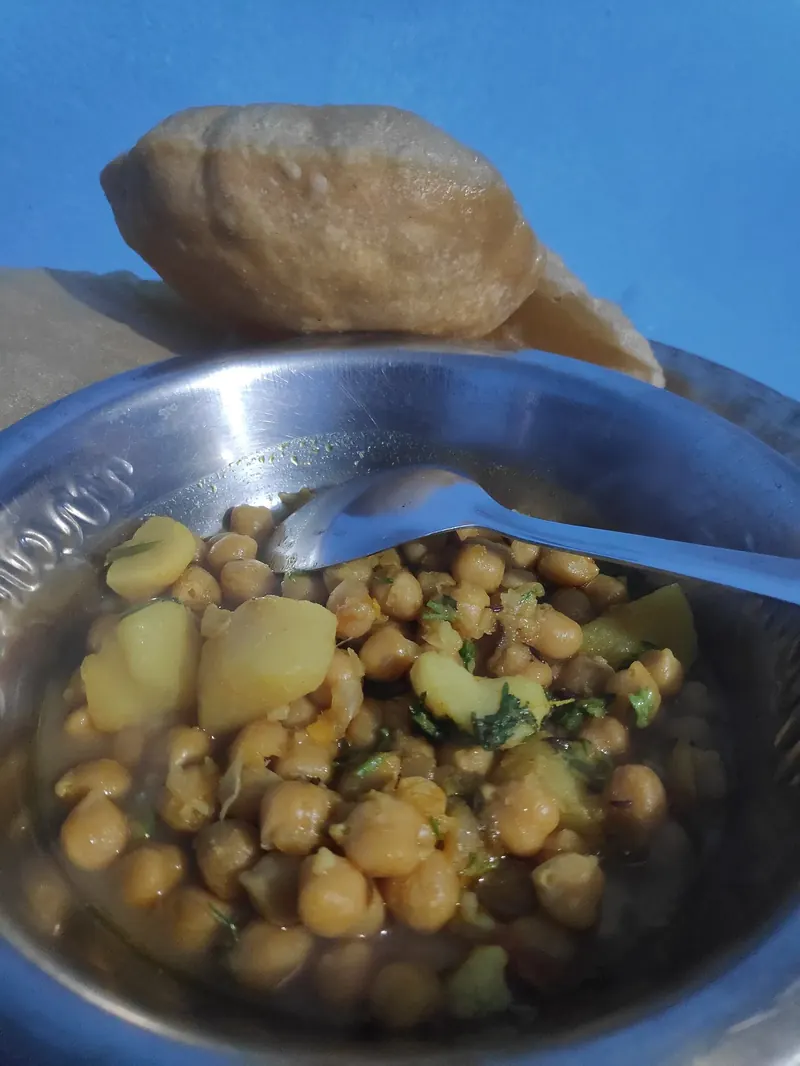
Photo: Gaurav Dhwaj Khadka · CC BY-SA 4.0 · Wikimedia Commons
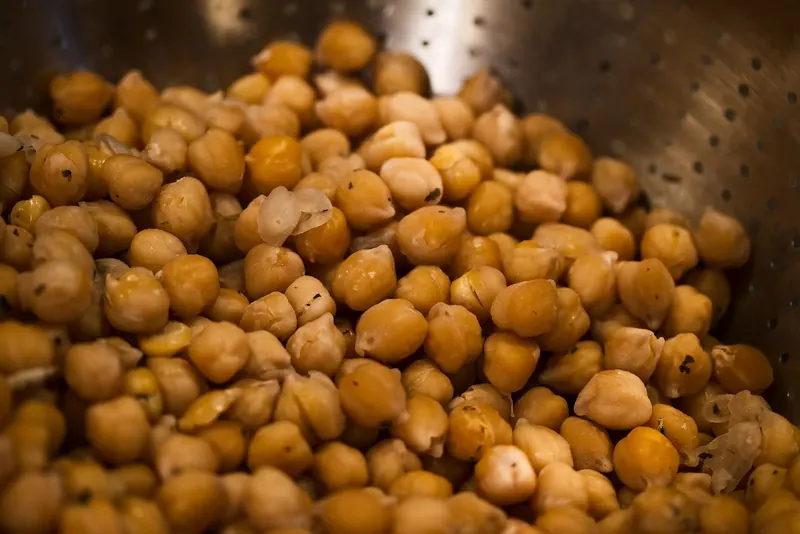
Photo: Jim Lukach · CC BY 2.0 · Wikimedia Commons


Sources and credits
Data
- GlobeCooks editorial: descriptions, kitchen notes and classification, written by GlobeCooks from checked sources
- Wikidata: names, classification and dishes (CC0 1.0)
- Wikimedia Commons: photos
- Wikipedia (English) (CC BY-SA 4.0)
Wikidata item: Q21156930
Photos
Photo: AlixSaz · CC BY-SA 4.0 · Wikimedia Commons
Photo: Thamizhpparithi Maari · CC BY-SA 3.0 · Wikimedia Commons
Photo: Thamizhpparithi Maari · CC BY-SA 3.0 · Wikimedia Commons
Photo: Gaurav Dhwaj Khadka · CC BY-SA 4.0 · Wikimedia Commons
Photo: Jim Lukach · CC BY 2.0 · Wikimedia Commons