Papaya
Carica papayaAlso called papaw and pawpaw
Papaya is a fruit that can be soft when raw or crunchy and firm. Cooks eat it raw, boil or simmer it, blend it into a paste, or pickle and preserve it.
- Plant-based
- Gluten-free
- No listed allergens
About the plain ingredient, not packaged products; general information, not medical advice. Details
- Category
- Fruit
- Part used
- Fruit
- Family
- Caricaceae
- Texture
- Soft, crunchy, firm
- Cooked most in
- Asia
- Top country
- Indonesia
- Dishes
- 9 in the catalogue
- Energy
- 43 kcal per 100 g


In the kitchen
How to use papaya
Typical ways to cook or use it
- Boil simmer
- Paste blend
- Pickle
- Preserve
- Raw
Preparing it
For ripe papaya, remove the skin and seeds before eating. For atchara, cut unripe or nearly ripe fruit into julienne strips.
Cooking with it
Papaya can prevent gelatin-based dishes from setting.
Flavour
Taste and texture
Texture, raw
- Soft
Texture
- Crunchy
- Firm
Shopping
Choosing and storing papaya
Choosing a good one
For ripe fruit, look for amber-to-orange skin and a soft feel.
Nutrition
What 100 g of papaya holds
Protein 4%Fat 2%Carbohydrate 94%of the macronutrients by weight
| Energy | 43 kcal · 179 kJ |
|---|---|
| Protein | 0.47 g |
| Fat | 0.26 g |
| of which saturated | 0.08 g |
| Carbohydrate | 11 g |
| of which sugars | 7.8 g |
| Fibre | 1.7 g |
| Sodium | 8 mg |
| Cholesterol | 0 mg |
| Potassium | 182 mg |
|---|---|
| Calcium | 20 mg |
| Iron | 0.25 mg |
| Magnesium | 21 mg |
| Zinc | 0.08 mg |
| Vitamin C | 61 mg |
| Vitamin A (RAE) | 47 µg |
| Folate | 37 µg |
Canned
Protein 1%Fat 1%Carbohydrate 98%of the macronutrients by weight
| Energy | 57 kcal · 238 kJ |
|---|---|
| Protein | 0.17 g |
| Fat | 0.15 g |
| of which saturated | 0.05 g |
| Carbohydrate | 15 g |
| of which sugars | 14 g |
| Fibre | 0.6 g |
| Sodium | 5 mg |
| Cholesterol | 0 mg |
| Potassium | 31 mg |
|---|---|
| Calcium | 10 mg |
| Iron | 0.34 mg |
| Magnesium | 3 mg |
| Zinc | 0.15 mg |
| Vitamin C | 3 mg |
| Vitamin A (RAE) | 18 µg |
| Folate | 2 µg |
Source: USDA FoodData Central (foods 169926, 169107), public domain. Minerals and vitamins are listed only where USDA measured a non-zero amount.
Around the world
Where papaya is cooked
Dishes by continent
- Asia9
Countries whose dishes use it most
Counts are catalogued dishes from each country that list papaya among their ingredients.
Origins
- Native to
- Mexico, Central America
- First cultivated
- in Mexico and Central America
The 1500s
Spaniards brought papaya to the Old World in the 1500s.
1839 · Samoa and Tonga
Papaya arrived in Samoa from Tonga in 1839.
On the table
Dishes made with papaya
Asinan Bogor
Indonesia
Bok l'hong
Cambodia
Rujak kuah pindang
Indonesia
Tetal
Indonesia
Anyang
Indonesia
Buntil
Indonesia
Es buah
Indonesia
Sambal pepaya
Indonesia
Dish lists come from Wikidata; a dish counts when its recorded ingredients include papaya.
Good to know
Diet and allergens: papaya in detail
- Allergens
- None of the 15 listed allergens foundChecked and not found: soy, eggs, fish, milk, lupin, wheat, celery, sesame, mustard, peanuts, molluscs, sulphites, tree nuts, crustaceans, gluten cereals.
- Animal origin
- No animal ingredients foundChecked and not found: egg, fish, meat, dairy, honey, insect, gelatin, poultry, bone char, shellfish, other animal, animal fining, animal rennet.
- Gluten
- None
- Alcohol
- None
- Caffeine
- None
- Pork
- None
Cooked together
Often cooked with papaya
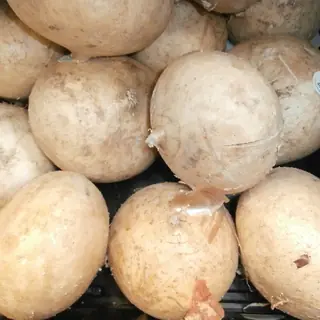
Jicama
3 shared dishes
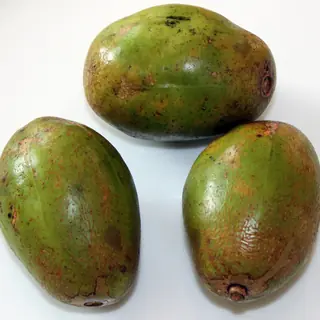
Ambarella
2 shared dishes
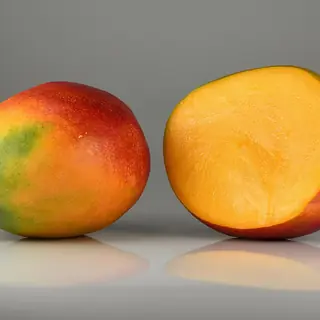
Mango
2 shared dishes
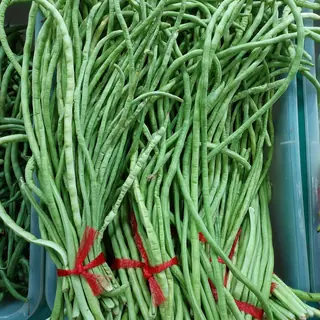
Asparagus bean
2 shared dishes
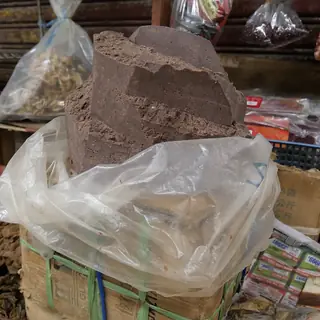
Shrimp paste
2 shared dishes
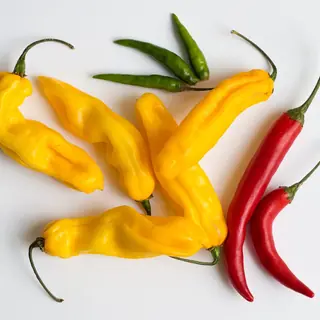
Chili pepper
4 shared dishes
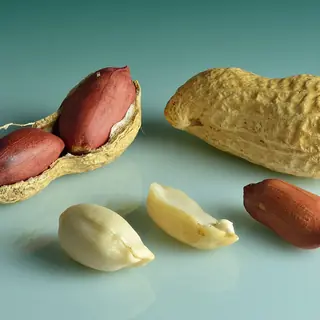
Peanut
2 shared dishes
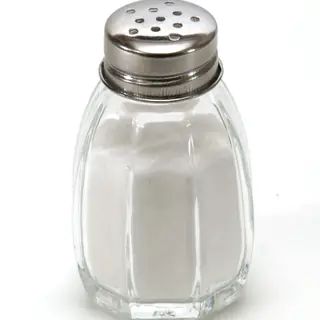
Table salt
3 shared dishes
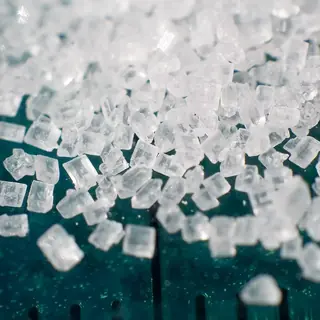
Sugar
2 shared dishes
Photo credits for this page (9)
Jicama: Jeffery Martin · CC0 1.0 · Wikimedia Commons
Mango: Ivar Leidus · CC BY-SA 4.0 · Wikimedia Commons
Asparagus bean: Vis M · CC BY-SA 4.0 · Wikimedia Commons
Shrimp paste: Peachyeung316 · CC BY-SA 4.0 · Wikimedia Commons
Chili pepper: Takeaway · CC BY-SA 4.0 · Wikimedia Commons
Peanut: Ivar Leidus · CC BY-SA 4.0 · Wikimedia Commons
Table salt: Dubravko Sorić SoraZG on Flickr · CC BY 2.0 · Wikimedia Commons
Sugar: Lauri Andler (Phantom) · CC BY-SA 3.0 · Wikimedia Commons


Around the world
What papaya is called
Spanish
papaya · lechosa · frutabomba
French
papaye
Italian
papaya
Portuguese
mamão
German
Papaya
Dutch
papaja · papaya
Russian
папайя
Polish
papaja
Japanese
パパイヤ
Thai
มะละกอ · ลอกอ
Malay
betik
Swahili
Papai
Show all 44 languages
Akan
Bofr3
Asturian
papaya
Brazilian Portuguese
mamão · papaia
Burmese
သင်္ဘောသီး
Catalan
papaia
Central Dusun
tapayas
Danish
Papaja · Papaya
Estonian
Papaia
Ewe
adiba · Aɖiba
Finnish
papaija
Fon
Kpɛ̀n
Haitian Creole
Papay
Hungarian
papajagyümölcs · papája · papaya · papájagyümölcs
Latvian
papaija
Lingala
Payipayi
Luba-Lulua
Tshinguenda · Binguenda
Luxembourgish
Papaya
Maithili
पपिता
Malagasy
Mapaza · Vapaza
Malay (Arabic)
بتيق
Malayalam
പപ്പായ · കപ്പളങ്ങ
Māori
papaia
N’Ko
ߦߙߌߖߋ߭ · ߦߙߌߖߋ
Norwegian Bokmål
papaya
Santali
ᱡᱟᱰᱟ · ᱯᱟᱹᱯᱤᱛᱟ
Shan
မၢၵ်ႇသၢင်းၽေႃး · မၢၵ်ႇၶူင်ႈ
Slovenian
papaja
sty
agac kavēnē
Tahitian
’ī’ītā
Tumbuka
papaya
Tyap
a̱ka̱mbut · a̱ka̱mbwut · ka̱mbut · ka̱mbwut
Ukrainian
папая
Yoruba
Ibeepe
Zhuang
Moeggva
Sources and credits
Data
- GlobeCooks editorial: descriptions, kitchen notes and classification, written by GlobeCooks from checked sources
- USDA FoodData Central (Foundation, SR Legacy): nutrition values (Public domain (US government work, CC0))
- Wikidata: names, classification and dishes (CC0 1.0)
- Wikimedia Commons: photos
- Wikipedia (English) (CC BY-SA 4.0)
Wikidata item: Q12330939