Millet
Also called minor cereals
Millet is a cereal grain whose seeds are used in cooking. Cooks ferment it and pair it with milk or pumpkin.
- Plant-based
About the plain ingredient, not packaged products; general information, not medical advice. Details
- Category
- Grains, flours & pasta
- Part used
- Seed
- Family
- Poaceae
- Top country
- Ukraine
- Dishes
- 10 in the catalogue
- Energy
- 378 kcal per 100 g

Photo: Thamizhpparithi Maari · CC BY-SA 3.0 · Wikimedia Commons

In the kitchen
How to use millet
Nutrition
What 100 g of millet holds
Protein 13%Fat 5%Carbohydrate 83%of the macronutrients by weight
| Energy | 378 kcal · 1,582 kJ |
|---|---|
| Protein | 11 g |
| Fat | 4.2 g |
| of which saturated | 0.72 g |
| Carbohydrate | 73 g |
| Fibre | 8.5 g |
| Sodium | 5 mg |
| Cholesterol | 0 mg |
| Potassium | 195 mg |
|---|---|
| Calcium | 8 mg |
| Iron | 3 mg |
| Magnesium | 114 mg |
| Zinc | 1.7 mg |
| Folate | 85 µg |
Other forms
Protein 11%Fat 5%Carbohydrate 84%of the macronutrients by weight
| Energy | 376 kcal |
|---|---|
| Protein | 10 g |
| Fat | 4.2 g |
| Carbohydrate | 74 g |
| Fibre | 2.6 g |
| Sodium | 0 mg |
| Potassium | 214 mg |
|---|---|
| Calcium | 9.1 mg |
| Iron | 2.5 mg |
| Magnesium | 106 mg |
| Zinc | 2.3 mg |
Cooked
Protein 12%Fat 4%Carbohydrate 84%of the macronutrients by weight
| Energy | 119 kcal · 498 kJ |
|---|---|
| Protein | 3.5 g |
| Fat | 1 g |
| of which saturated | 0.17 g |
| Carbohydrate | 24 g |
| of which sugars | 0.13 g |
| Fibre | 1.3 g |
| Sodium | 2 mg |
| Cholesterol | 0 mg |
| Potassium | 62 mg |
|---|---|
| Calcium | 3 mg |
| Iron | 0.63 mg |
| Magnesium | 44 mg |
| Zinc | 0.91 mg |
| Folate | 19 µg |
Source: USDA FoodData Central (foods 169702, 2512379, 168871), public domain. Minerals and vitamins are listed only where USDA measured a non-zero amount.
Around the world
Where millet is cooked
Countries whose dishes use it most
Counts are catalogued dishes from each country that list millet among their ingredients.
Origins
5,000 BCE · China and Europe
Asian millet varieties reached the European Black Sea region from China by 5000 BC.
On the table
Dishes made with millet
Zelekivka zlyvanka
Ukraine
Zhent
Central Asia
Burukutu
Nigeria
Zlyvana kasha
Ukraine
Ogi
Nigeria
Krupky
Ukraine
Zasypana kapusta
Maasa
Dish lists come from Wikidata; a dish counts when its recorded ingredients include millet.
Good to know
Diet and allergens: millet in detail
- Allergens
- None of the 15 listed allergens foundChecked and not found: eggs, fish, milk, molluscs, sulphites, crustaceans.
- Animal origin
- No animal ingredients foundChecked and not found: egg, fish, meat, dairy, honey, insect, gelatin, poultry, bone char, shellfish, other animal, animal fining, animal rennet.
- Alcohol
- None
- Pork
- None
Family
Related forms
- Kinds
- foxtail millet
Cooked together
Often cooked with millet
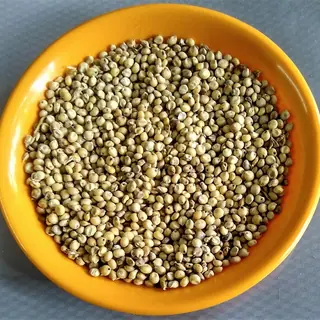
Sorghum grain
3 shared dishes
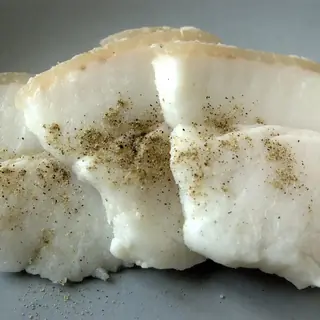
Salo
2 shared dishes
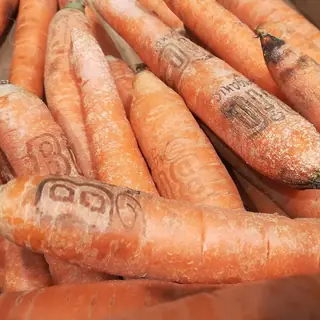
Carrot
2 shared dishes
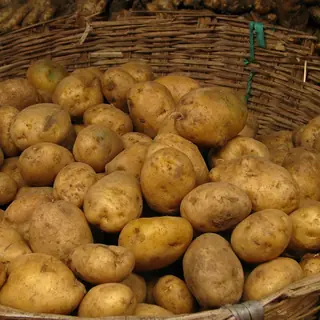
Potato
2 shared dishes
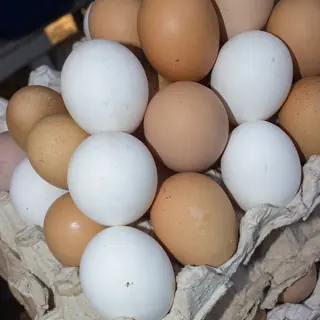
Egg
2 shared dishes
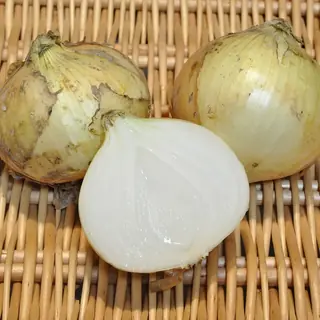
Onion
2 shared dishes
Photo credits for this page (6)
Sorghum grain: Salil Kumar Mukherjee · CC BY-SA 4.0 · Wikimedia Commons
Salo: Roland Geider ( Ogre ) · Public domain · Wikimedia Commons
Carrot: MOs810 · CC BY-SA 4.0 · Wikimedia Commons
Potato: McKay Savage from London, UK · CC BY 2.0 · Wikimedia Commons
Egg: Flixtey · CC BY-SA 4.0 · Wikimedia Commons


Around the world
What millet is called
Spanish
Mijo · Millo
French
millet · Millet (graminée)
Italian
miglio
Portuguese
milhete
German
Hirse
Dutch
gierst
Greek
Κεχρί
Turkish
Darı
Russian
просо
Polish
proso zwyczajne
Arabic
دخن
Persian
ارزن
Show all 99 languages
Afrikaans
Manna
Aragonese
Millo
Asturian
Miyu
azb
داری
Azerbaijani
darı
Bangla
মিলেট
Bashkir
Тары
Basque
Artatxiki
Bavarian
Brein
Belarusian
проса
Belarusian (Taraskievica orthography)
прасяныя крупы
Bulgarian
Просо
Cantonese
稷
Catalan
mill
Chechen
БерцанӀов
Chinese
杂谷
Chuvash
Вир кĕрпи
Croatian
Proso
Czech
jáhly
dag
za
Danish
hirse
dga
Millet
Dinka
Awuɔ̈u
Divehi
ކުދިބަތް
Egyptian Arabic
الدرع التونسي
Esperanto
Milio
Estonian
hirss
Finnish
hirssi
Frafra
Ki
Galician
paínzo · millo miúdo · millete
Hausa
gero
Hebrew
דוחן
Hindi
बाजरा
Hungarian
köles
Ido
Milieto
Indonesian
Milet
Irish
muiléad
Japanese
雑穀
Kabyle
Illan
Kannada
ರಾಗಿ
kbp
Mɩla
Korean
서곡 · 서곡 (곡물)
Kurdish
garis
kus
ki · Ki · Za · Bɛlikɔ
Kyrgyz
Таруу
Latin
Milium
Latvian
prosa
Limburgish
Hirs
Lingua Franca Nova
Milio
Lithuanian
Soros
Malagasy
Ampembambazaha
Malay
sekoi
Malay (Arabic)
سکوي
Malayalam
ചാമ
Māori
miriti · mirete
Marathi
भरड धान्य
Min Nan Chinese
Tai-á-bí
Mossi
Kazui
Newari
दुसे
Northern Frisian
Hirse
Norwegian Bokmål
hirse
Norwegian Nynorsk
hirse
Odia
ମାଣ୍ଡିଆ
Ossetic
Елцык
Pashto
ږدن
Piedmontese
Mej
Punjabi
ਬਾਜਰਾ
Romanian
Mei
Serbian
просо · proso
Serbian (Latin)
Proso
Shona
Rukweza
Sindhi
ٻاجهر
Slovenian
Proso
Swahili
Ulezi
Swedish
hirs
Swiss German
Hirse
Tajik
Арзан
Tamil
தினை
Telugu
చిరుధాన్యం · చిరుధాన్యము · చిరుధాన్యాలు
Thai
ข้าวฟ่าง
Tibetan
ཁྲེ།
Tulu
ರಾಗಿ
Tyap
zuk · zúk
Ukrainian
просо
Upper Sorbian
Jahły
Urdu
باجرہ
Uzbek
Soʻk
Vietnamese
kê
Western Panjabi
باجرا
Sources and credits
Data
- GlobeCooks editorial: descriptions, kitchen notes and classification, written by GlobeCooks from checked sources
- USDA FoodData Central (Foundation, SR Legacy): nutrition values (Public domain (US government work, CC0))
- Wikidata: names, classification and dishes (CC0 1.0)
- Wikimedia Commons: photos
- Wikipedia (English) (CC BY-SA 4.0)
Wikidata item: Q259438
Photos
Photo: Thamizhpparithi Maari · CC BY-SA 3.0 · Wikimedia Commons