Grape leaves
Also called Vinblad and stuffed grape leaf
Grape leaves are used as a vegetable and sold fresh, canned, or jarred. Cooks stuff them or use them to wrap meat and rice.
- Plant-based
About the plain ingredient, not packaged products; general information, not medical advice. Details
- Category
- Vegetables
- Part used
- Leaf
- Cooked most in
- Europe
- Top country
- Greece
- Dishes
- 1 in the catalogue
- Energy
- 93 kcal per 100 g

Photo: Noumenon · CC BY-SA 3.0 · Wikimedia Commons

In the kitchen
How to use grape leaves
Typical ways to cook or use it
- Stuff
- Wrap
Preparing it
Cut the leaves into small pieces for adding to soup.
Goes well with
- meat
- rice
Shopping
Choosing and storing grape leaves
- Sold as
- Canned, Fresh, Jarred
Nutrition
What 100 g of grape leaves holds
Protein 22%Fat 8%Carbohydrate 69%of the macronutrients by weight
| Energy | 93 kcal · 390 kJ |
|---|---|
| Protein | 5.6 g |
| Fat | 2.1 g |
| of which saturated | 0.34 g |
| Carbohydrate | 17 g |
| of which sugars | 6.3 g |
| Fibre | 11 g |
| Sodium | 9 mg |
| Cholesterol | 0 mg |
| Potassium | 272 mg |
|---|---|
| Calcium | 363 mg |
| Iron | 2.6 mg |
| Magnesium | 95 mg |
| Zinc | 0.67 mg |
| Vitamin C | 11 mg |
| Vitamin A (RAE) | 1,376 µg |
| Folate | 83 µg |
Canned
Protein 24%Fat 11%Carbohydrate 65%of the macronutrients by weight
| Energy | 69 kcal · 287 kJ |
|---|---|
| Protein | 4.3 g |
| Fat | 2 g |
| of which saturated | 0.31 g |
| Carbohydrate | 12 g |
| Fibre | 9.9 g |
| Sodium | 2,853 mg |
| Cholesterol | 0 mg |
| Potassium | 29 mg |
|---|---|
| Calcium | 289 mg |
| Iron | 3 mg |
| Magnesium | 14 mg |
| Zinc | 0.4 mg |
| Vitamin C | 11 mg |
| Vitamin A (RAE) | 263 µg |
| Folate | 78 µg |
Source: USDA FoodData Central (foods 168575, 169393), public domain. Minerals and vitamins are listed only where USDA measured a non-zero amount.
On the table
Dishes made with grape leaves
Sarma
Greece
Dish lists come from Wikidata; a dish counts when its recorded ingredients include grape leaves.
Good to know
Diet and allergens: grape leaves in detail
- Allergens
- None of the 15 listed allergens foundChecked and not found: eggs, fish, milk, molluscs, sulphites, crustaceans.
- Animal origin
- No animal ingredients foundChecked and not found: egg, fish, meat, dairy, honey, insect, gelatin, poultry, bone char, shellfish, other animal, animal fining, animal rennet.
- Alcohol
- None
- Pork
- None
Cooked together
Often cooked with grape leaves
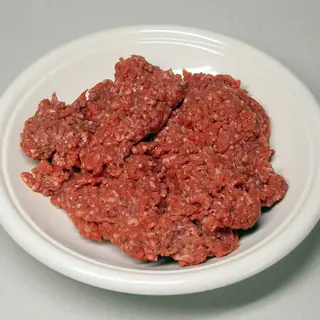
Minced meat
1 shared dish
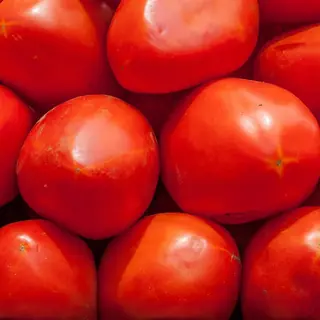
Tomato
1 shared dish
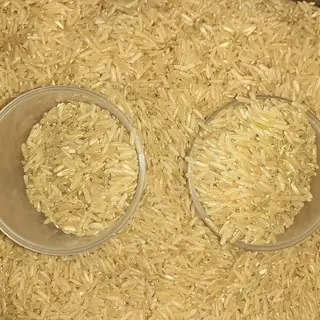
Rice
1 shared dish
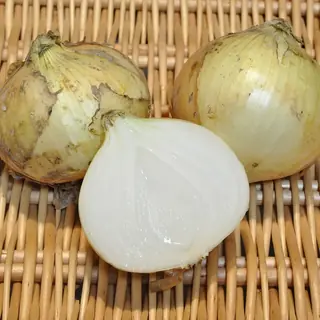
Onion
1 shared dish

Table salt
1 shared dish
Photo credits for this page (5)
Minced meat: Rainer Zenz · CC BY-SA 3.0 · Wikimedia Commons
Rice: Musclewingz Yueyua · CC BY-SA 4.0 · Wikimedia Commons
Table salt: Dubravko Sorić SoraZG on Flickr · CC BY 2.0 · Wikimedia Commons


Around the world
What grape leaves is called
Spanish
Hoja de parra · Hojas de parra
French
feuilles de vigne
Italian
foglia di vite
Portuguese
Folhas de parra
German
Weinrebenblätter
Turkish
Asma yaprağı
Russian
Виноградные листья
Polish
liście winogron
Arabic
ورق العنب · أوراق العنب
Persian
برگ مو
Hebrew
עלי גפן
Chinese
葡萄葉
Show all 22 languages
Armenian
Խաղողի տերև (խոհարարություն)
Basque
mahats-hosto · mahats hosto · mahatsosto · mahats-orri
Catalan
fulla de parra
Indonesian
Daun anggur
Japanese
ブドウの葉
Korean
포도잎
Malay
Daun anggur
Slovenian
trtini listi
Swedish
Vinblad
Ukrainian
виноградне листя
Sources and credits
Data
- GlobeCooks editorial: descriptions, kitchen notes and classification, written by GlobeCooks from checked sources
- USDA FoodData Central (Foundation, SR Legacy): nutrition values (Public domain (US government work, CC0))
- Wikidata: names, classification and dishes (CC0 1.0)
- Wikimedia Commons: photos
Wikidata item: Q4820063
Photos
Photo: Noumenon · CC BY-SA 3.0 · Wikimedia Commons