Cow's trotters
Cow's trotters are offal containing bone and skin. When cooked, they are soft, chewy and gelatinous. Cooks boil or simmer them, use them in stews, and pair them with chickpeas.
- Gluten-free
- No listed allergens
- Pork depends on the product
About the plain ingredient, not packaged products; general information, not medical advice. Details
- Category
- Meat & poultry
- Part used
- Bone, skin
- Texture
- Chewy, gelatinous, soft
- Cooked most in
- Asia
- Top country
- Indonesia
- Dishes
- 4 in the catalogue


In the kitchen
How to use cow's trotters
Typical ways to cook or use it
- Boil simmer
- Stew
Cooking with it
Cook for a long time or use a pressure cooker to soften the trotters and release gelatin into soup.
Goes well with
Flavour
Taste and texture
Texture, cooked
- Chewy
- Gelatinous
- Soft
Around the world
Where cow's trotters is cooked
Dishes by continent
- Asia4
Countries whose dishes use it most
Counts are catalogued dishes from each country that list cow's trotters among their ingredients.
On the table
Dishes made with cow's trotters
Lontong kikil
Indonesia
Kikil satay
Indonesia
Beef tendon curry
Indonesia
Dish lists come from Wikidata; a dish counts when its recorded ingredients include cow's trotters.
Good to know
Diet and allergens: cow's trotters in detail
- Allergens
- None of the 15 listed allergens foundChecked and not found: soy, eggs, fish, milk, lupin, wheat, celery, sesame, mustard, peanuts, molluscs, sulphites, tree nuts, crustaceans, gluten cereals.
- Animal origin
- No animal ingredients foundChecked and not found: egg, fish, dairy, honey, insect, gelatin, bone char, shellfish, other animal, animal fining, animal rennet.
- Gluten
- None
- Alcohol
- None
- Caffeine
- None
- Pork
- Depends on the product (depends on which animal the meat comes from)
Cooked together
Often cooked with cow's trotters
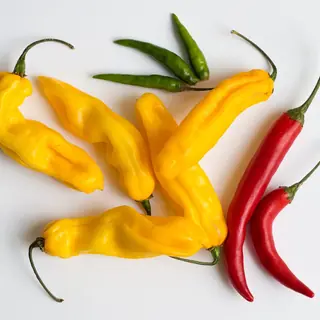
Chili pepper
4 shared dishes
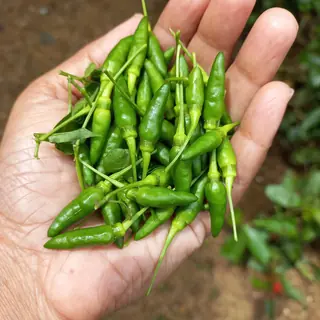
Bird's eye chili
2 shared dishes
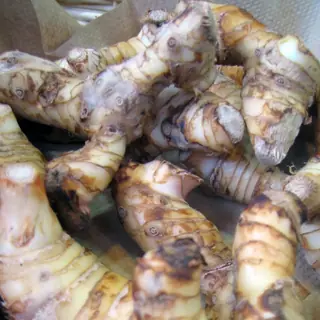
Galangal
3 shared dishes
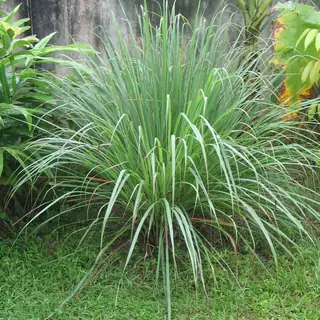
Lemongrass
3 shared dishes
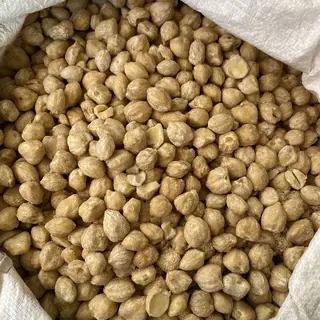
Candlenut
2 shared dishes
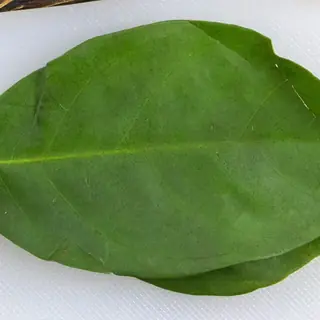
Indonesian bay leaf
2 shared dishes
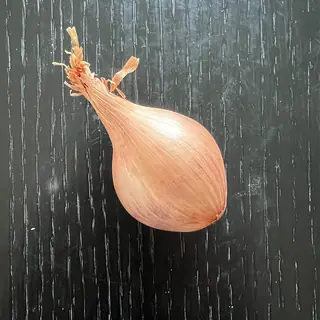
Shallot
3 shared dishes
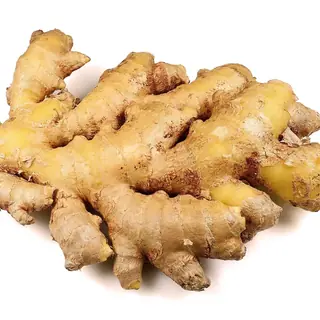
Ginger
2 shared dishes
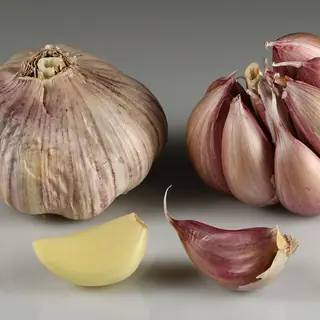
Garlic
3 shared dishes
Water
2 shared dishes
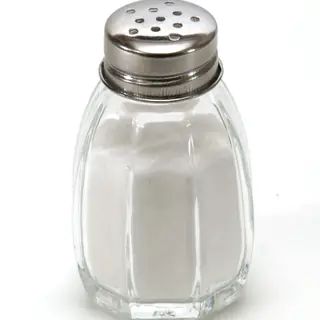
Table salt
2 shared dishes
Photo credits for this page (11)
Chili pepper: Takeaway · CC BY-SA 4.0 · Wikimedia Commons
Bird's eye chili: Daizy John · CC BY-SA 4.0 · Wikimedia Commons
Galangal: Ruth Hartnup from Vancouver, Canada · CC BY 2.0 · Wikimedia Commons
Lemongrass: Unknown photographer · CC BY 2.0 · Wikimedia Commons
Indonesian bay leaf: Herusutimbul · CC BY-SA 4.0 · Wikimedia Commons
Shallot: HaJunkiyada · CC BY-SA 4.0 · Wikimedia Commons
Ginger: Sanjay Acharya · CC BY-SA 4.0 · Wikimedia Commons
Garlic: Ivar Leidus · CC BY-SA 4.0 · Wikimedia Commons
Water: Forbes Johnston from Winchester, UK · CC BY 2.0 · Wikimedia Commons
Table salt: Dubravko Sorić SoraZG on Flickr · CC BY 2.0 · Wikimedia Commons


Around the world
What cow's trotters is called
French
pied de bœuf
Arabic
كوارع (إندونيسيا)
Japanese
牛足
Korean
쇠족 · 소발 · 소족 · 쇠다리
Indonesian
Kaki sapi · kikil
Swahili
Supu ya kongoro
Show all 10 languages
Esperanto
bovkruraĵo
Ganda
Mulokoni · ekigele kye nte
Javanese
Sikil sapi
Slovenian
goveja noga
Sources and credits
Data
- GlobeCooks editorial: descriptions, kitchen notes and classification, written by GlobeCooks from checked sources
- Wikidata: names, classification and dishes (CC0 1.0)
- Wikimedia Commons: photos
Wikidata item: Q12488531