Okra
Abelmoschus esculentusAlso called lady fingers
Okra is a pod that cooks use as a vegetable. It can be eaten raw or pickled, and its slippery texture when cooked helps thicken stews. It pairs with chicken, lamb, and tomato.
- Plant-based
- Gluten-free
- No listed allergens
About the plain ingredient, not packaged products; general information, not medical advice. Details
- Category
- Vegetables
- Part used
- Pod
- Family
- Malvaceae
- Texture
- Mucilaginous
- Cooked most in
- Africa
- Top country
- Nigeria
- Dishes
- 4 in the catalogue
- Energy
- 33 kcal per 100 g

Photo: Aravind Sivaraj · CC BY-SA 3.0 · Wikimedia Commons
In the kitchen
How to use okra
Flavour
Taste and texture
Texture, cooked
- Mucilaginous
Shopping
Choosing and storing okra
Choosing a good one
Choose immature pods; older pods can become fibrous and woody.
Nutrition
What 100 g of okra holds
Protein 20%Fat 2%Carbohydrate 78%of the macronutrients by weight
| Energy | 33 kcal · 138 kJ |
|---|---|
| Protein | 1.9 g |
| Fat | 0.19 g |
| of which saturated | 0.03 g |
| Carbohydrate | 7.5 g |
| of which sugars | 1.5 g |
| Fibre | 3.2 g |
| Sodium | 7 mg |
| Cholesterol | 0 mg |
| Potassium | 299 mg |
|---|---|
| Calcium | 82 mg |
| Iron | 0.62 mg |
| Magnesium | 57 mg |
| Zinc | 0.58 mg |
| Vitamin C | 23 mg |
| Vitamin A (RAE) | 36 µg |
| Folate | 60 µg |
Source: USDA FoodData Central (food 169260), public domain. Minerals and vitamins are listed only where USDA measured a non-zero amount.
Around the world
Where okra is cooked
Dishes by continent
Origins
- Native to
- Western Africa
1216 · Egypt
In 1216, a visitor described locals cultivating okra and eating its young pods with meal.
1658 · Americas and Brazil
Okra reached the Americas aboard slave-trade ships and was recorded in Brazil by 1658.
On the table
Dishes made with okra
Draw soup
Nigeria
Soup Kandia
Senegal
Bhendi fry
Okra soup
Dish lists come from Wikidata; a dish counts when its recorded ingredients include okra.
Good to know
Diet and allergens: okra in detail
- Allergens
- None of the 15 listed allergens foundChecked and not found: soy, eggs, fish, milk, lupin, wheat, celery, sesame, mustard, peanuts, molluscs, sulphites, tree nuts, crustaceans, gluten cereals.
- Animal origin
- No animal ingredients foundChecked and not found: egg, fish, meat, dairy, honey, insect, gelatin, poultry, bone char, shellfish, other animal, animal fining, animal rennet.
- Gluten
- None
- Alcohol
- None
- Caffeine
- None
- Pork
- None
Cooked together
Often cooked with okra
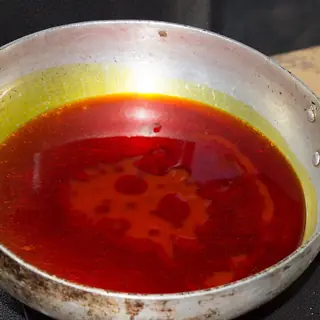
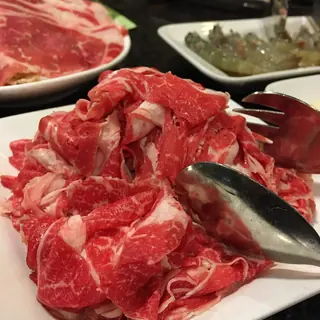

Photo credits for this page (2)
Palm oil: DromoTetteh · CC BY-SA 4.0 · Wikimedia Commons
Beef: F ASTILY · CC BY-SA 4.0 · Wikimedia Commons


Around the world
What okra is called
Spanish
Abelmoschus esculentus
French
Abelmoschus esculentus
Italian
Abelmoschus esculentus · gombo
German
Okra-Gemüse · Okra
Russian
окра · окра (овощ) · гомбо · бамия (овощ)
Arabic
بامة
Hebrew
במיה
Chinese
秋葵
Japanese
オクラ
Akan
nkruma
Burmese
ရုံးပတီသီး
Catalan
ocra
Show all 24 languages
Czech
proskurník jedlý · okra
dag
Mana
dga
saaloŋ · pɔɔsara nubie
Esperanto
gombo
Ewe
fetri
Mossi
maana · maande
Nigerian Pidgin
Okro
Shan
မၢၵ်ႇၼွႆးတူၼ်ႈ · မၢၵ်ႇၶိူဝ်မိုၼ်ႈ
Slovenian
okra · jedilni oslez · bamija
Tumbuka
bwenkha
Ukrainian
бамія · окра
Venetian
òcra
Sources and credits
Data
- GlobeCooks editorial: descriptions, kitchen notes and classification, written by GlobeCooks from checked sources
- USDA FoodData Central (Foundation, SR Legacy): nutrition values (Public domain (US government work, CC0))
- Wikidata: names, classification and dishes (CC0 1.0)
- Wikimedia Commons: photos
- Wikipedia (English) (CC BY-SA 4.0)
Wikidata item: Q12047207
Photos
Photo: Aravind Sivaraj · CC BY-SA 3.0 · Wikimedia Commons