Mussel
Mytilus galloprovincialis, Mytilus edulis
Mussels are molluscs that are sold canned. Cooks steam, grill, bake, or stuff them and pair them with garlic, onion, or olive oil.
- Shellfish
- Gluten-free
- Allergen: molluscs
About the plain ingredient, not packaged products; general information, not medical advice. Details
- Category
- Fish & seafood
- Family
- Mytilidae
- Cooked most in
- Europe
- Top country
- Spain
- Dishes
- 7 in the catalogue
- Energy
- 86 kcal per 100 g

Photo: DaBler · Public domain · Wikimedia Commons
In the kitchen
How to use mussel
Typical ways to cook or use it
- Bake
- Boil simmer
- Grill
- Roast
- Smoke
- Steam
- Stuff
Preparing it
Rinse mussels thoroughly and remove their beards. The beard can also be removed after the mussel opens during cooking.
Cooking with it
A shell that stays closed during cooking does not necessarily mean the mussel is unsafe.
Shopping
Choosing and storing mussel
Choosing a good one
Unusually heavy wild-caught mussels with closed shells may contain mud or sand.
- Sold as
- Canned
Nutrition
What 100 g of mussel holds
Protein 67%Fat 13%Carbohydrate 21%of the macronutrients by weight
| Energy | 86 kcal · 360 kJ |
|---|---|
| Protein | 12 g |
| Fat | 2.2 g |
| of which saturated | 0.43 g |
| Carbohydrate | 3.7 g |
| of which sugars | 0 g |
| Fibre | 0 g |
| Sodium | 286 mg |
| Cholesterol | 28 mg |
| Potassium | 320 mg |
|---|---|
| Calcium | 26 mg |
| Iron | 4 mg |
| Magnesium | 34 mg |
| Zinc | 1.6 mg |
| Vitamin C | 8 mg |
| Vitamin A (RAE) | 48 µg |
| Folate | 42 µg |
| Vitamin B12 | 12 µg |
Source: USDA FoodData Central (food 174216), public domain. Minerals and vitamins are listed only where USDA measured a non-zero amount.
Around the world
Where mussel is cooked
On the table
Dishes made with mussel
Fideuà
Spain
Moules farcies à la sétoise
France
Moules-frites
Belgium
Mussels marinière
Belgium, France
Lontong kupang
Dish lists come from Wikidata; a dish counts when its recorded ingredients include mussel.
Good to know
Diet and allergens: mussel in detail
- Allergens
- Contains: molluscsChecked and not found: soy, eggs, fish, milk, lupin, wheat, celery, sesame, mustard, peanuts, sulphites, tree nuts, crustaceans, gluten cereals.
- Animal origin
- From: shellfishChecked and not found: egg, fish, meat, dairy, honey, insect, gelatin, poultry, bone char, other animal, animal fining, animal rennet.
- Gluten
- None
- Alcohol
- None
- Caffeine
- None
- Pork
- None
Cooked together
Often cooked with mussel

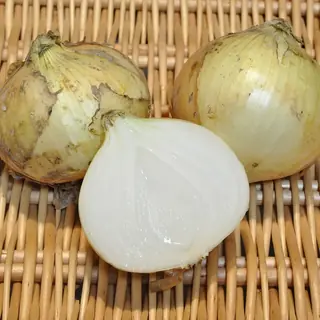
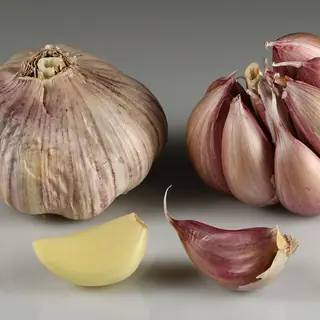

Photo credits for this page (3)
White wine: Shixart1985 · CC BY 2.0 · Wikimedia Commons
Garlic: Ivar Leidus · CC BY-SA 4.0 · Wikimedia Commons


Around the world
What mussel is called
French
moule
Italian
cozza · cozze
Portuguese
Mexilhão
German
Muschel
Dutch
mossel
Turkish
Midye
Russian
мидия · мидии
Arabic
بلح البحر
Persian
صدف سیاه
Hindi
सीप
Tamil
mussel · சிப்பி
Chinese
淡菜類
Show all 36 languages
Afrikaans
Mossel
Albanian
Midhje
Azerbaijani
Midiya (molyusk)
Basque
muskuilu
Brazilian Portuguese
Mexilhão
Breton
Meskl
Catalan
Musclos · clòtxines
Czech
mušle
Esperanto
muslo
Goan Konkani
Xinnani vo Xinnaneo
Indonesian
Berangas (moluska)
Irish
diúilicín · diúiricín · diúlán · diúraic
Japanese
マッセル · ムール貝
Korean
담치류
Latvian
mīdija
Literary Chinese
淡菜
Macedonian
мидија
Malay
Siput sudu
Newari
मसल
Romanian
midie
Scottish Gaelic
Feusgan
Sicilian
còzzula
Slovenian
klapavica · dagnja
Ukrainian
Мідії
Vietnamese
Trai
Sources and credits
Data
- GlobeCooks editorial: descriptions, kitchen notes and classification, written by GlobeCooks from checked sources
- USDA FoodData Central (Foundation, SR Legacy): nutrition values (Public domain (US government work, CC0))
- Wikidata: names, classification and dishes (CC0 1.0)
- Wikimedia Commons: photos
Wikidata item: Q13042834
Photos
Photo: DaBler · Public domain · Wikimedia Commons