Broad bean
Vicia fabaAlso called fava bean, faba bean, field bean and bell bean
Broad beans are legumes with tender pods that can be crunchy when cooked. Cooks eat them raw, boil, simmer, dry-toast, roast, steam or stew them, or blend them into a paste.
- Plant-based
- Gluten-free
- No listed allergens
About the plain ingredient, not packaged products; general information, not medical advice. Details
- Category
- Beans & pulses
- Part used
- Pod
- Family
- Fabaceae
- Texture
- Tender, crunchy
- Top country
- Türkiye
- Dishes
- 7 in the catalogue
- Energy
- 88 kcal per 100 g

In the kitchen
How to use broad bean
Typical ways to cook or use it
- Boil simmer
- Dry toast
- Paste blend
- Raw
- Roast
- Steam
- Stew
Preparing it
Shell the beans before cooking. Parboil the beans to loosen their skins, then peel them. The seed coat is edible in young pods; very young pods can be eaten whole.
Cooking with it
Frying makes the bean skins split.
Goes well with
Flavour
Taste and texture
Texture
- Tender
Texture, cooked
- Crunchy
Shopping
Choosing and storing broad bean
- Sold as
- Canned, Dried
Nutrition
What 100 g of broad bean holds
Protein 30%Fat 3%Carbohydrate 67%of the macronutrients by weight
| Energy | 88 kcal · 368 kJ |
|---|---|
| Protein | 7.9 g |
| Fat | 0.73 g |
| of which saturated | 0.12 g |
| Carbohydrate | 18 g |
| of which sugars | 9.2 g |
| Fibre | 7.5 g |
| Sodium | 25 mg |
| Cholesterol | 0 mg |
| Potassium | 332 mg |
|---|---|
| Calcium | 37 mg |
| Iron | 1.6 mg |
| Magnesium | 33 mg |
| Zinc | 1 mg |
| Vitamin C | 3.7 mg |
| Vitamin A (RAE) | 17 µg |
| Folate | 148 µg |
Cooked
Protein 31%Fat 3%Carbohydrate 66%of the macronutrients by weight
| Energy | 62 kcal · 259 kJ |
|---|---|
| Protein | 4.8 g |
| Fat | 0.5 g |
| of which saturated | 0.14 g |
| Carbohydrate | 10 g |
| of which sugars | 1.8 g |
| Fibre | 5.4 g |
| Sodium | 277 mg |
| Cholesterol | 0 mg |
| Potassium | 193 mg |
|---|---|
| Calcium | 18 mg |
| Iron | 1.5 mg |
| Magnesium | 31 mg |
| Zinc | 0.47 mg |
| Vitamin C | 20 mg |
| Vitamin A (RAE) | 14 µg |
| Folate | 58 µg |
Canned
Protein 30%Fat 1%Carbohydrate 69%of the macronutrients by weight
| Energy | 71 kcal · 297 kJ |
|---|---|
| Protein | 5.5 g |
| Fat | 0.22 g |
| of which saturated | 0.04 g |
| Carbohydrate | 12 g |
| Fibre | 3.7 g |
| Sodium | 453 mg |
| Cholesterol | 0 mg |
| Potassium | 242 mg |
|---|---|
| Calcium | 26 mg |
| Iron | 1 mg |
| Magnesium | 32 mg |
| Zinc | 0.62 mg |
| Vitamin C | 1.8 mg |
| Vitamin A (RAE) | 1 µg |
| Folate | 33 µg |
Source: USDA FoodData Central (foods 168574, 169328, 173798, 173754), public domain. Minerals and vitamins are listed only where USDA measured a non-zero amount.
Around the world
Where broad bean is cooked
On the table
Dishes made with broad bean
Pan-bagnat
France
Falafel
Ful medames
Egypt
Fava
Türkiye
Shoyumame
Japan
Dish lists come from Wikidata; a dish counts when its recorded ingredients include broad bean.
Good to know
Diet and allergens: broad bean in detail
- Allergens
- None of the 15 listed allergens foundChecked and not found: soy, eggs, fish, milk, lupin, wheat, celery, sesame, mustard, peanuts, molluscs, sulphites, tree nuts, crustaceans, gluten cereals.
- Animal origin
- No animal ingredients foundChecked and not found: egg, fish, meat, dairy, honey, insect, gelatin, poultry, bone char, shellfish, other animal, animal fining, animal rennet.
- Gluten
- None
- Alcohol
- None
- Caffeine
- None
- Pork
- None
Cooked together
Often cooked with broad bean
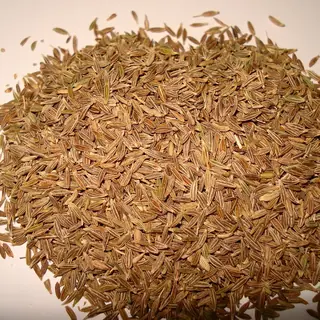
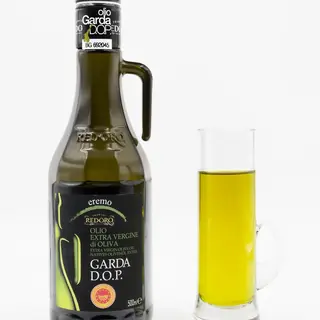
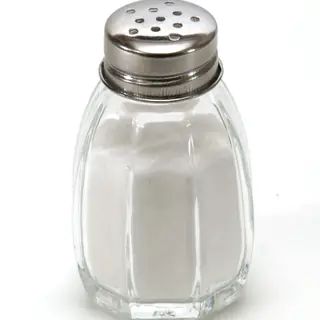

Photo credits for this page (3)
Cumin seed: Miansari66 · Public domain · Wikimedia Commons
Olive oil: Jacek Halicki · CC BY-SA 4.0 · Wikimedia Commons
Table salt: Dubravko Sorić SoraZG on Flickr · CC BY 2.0 · Wikimedia Commons


Around the world
What broad bean is called
Spanish
haba · habas
Italian
fava
German
Dicke Bohne
Turkish
bakla
Russian
конские бобы
Polish
bób
Hebrew
פול
Chinese
蚕豆 · 开花豆 · 五香蚕豆
Japanese
そら豆 · そらまめ · ソラマメ · 蚕豆
Catalan
fava
Galician
faba
Irish
pónaire leathan
Show all 16 languages
Romanian
bob · fasole fava · Vicia faba
Simplified Chinese
蚕豆 · 开花豆
Slovenian
bob
Swedish
bondbönor
Ukrainian
кінські боби
Sources and credits
Data
- GlobeCooks editorial: descriptions, kitchen notes and classification, written by GlobeCooks from checked sources
- USDA FoodData Central (Foundation, SR Legacy): nutrition values (Public domain (US government work, CC0))
- Wikidata: names, classification and dishes (CC0 1.0)
- Wikimedia Commons: photos
Wikidata item: Q61672189