Ingredient
Biscuit
Also called cookie
A biscuit is made with flour and has a firm texture. It may also be made with sugar, chocolate, jam, ginger, or cinnamon.
- Texture
- Firm
- Cooked most in
- Europe
- Top country
- Austria
- Dishes
- 1 in the catalogue

Photo: Famartin · CC BY-SA 4.0 · Wikimedia Commons
In the kitchen
How to use biscuit
Flavour
Taste and texture
Texture
- Firm
Around the world
Where biscuit is cooked
Dishes by continent
Countries whose dishes use it most
Counts are catalogued dishes from each country that list biscuit among their ingredients.
Origins
The 1500s
The earliest documented sales of gingerbread biscuits date to the 1500s.
1588
Royal Navy ships allotted biscuits as part of the daily ration.
1831 · United Kingdom
The decorative biscuit tin helped British biscuits reach export markets worldwide.
Family
Related forms
- Kinds
- cracker
Cooked together
Often cooked with biscuit
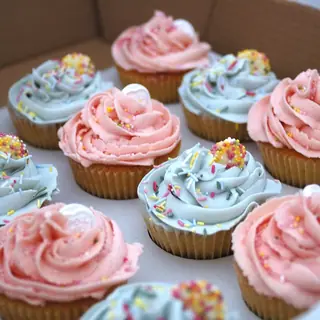

Photo credits for this page (1)
Buttercream: [1] · CC BY-SA 3.0 · Wikimedia Commons

Around the world
What biscuit is called
Spanish
bizcocho
French
biscuit
Italian
biscotto
Portuguese
biscoito · biscouto
German
Biskuit · Biscuit · Biskuits · Keks
Dutch
biscuit · biscuitje · koekje · kaakje
Greek
μπισκότο
Turkish
bisküvi
Russian
бискит · печенье · английский бисквит · бисквит
Polish
herbatnik · herbatniki
Arabic
بسكويت · البسكويت · بسكت · بسكوت
Persian
بیسکویت
Show all 85 languages
acm
پسكت · بسكت
Albanian
biskota
Armenian
բիսկվիտ
Asturian
galleta
Atikamekw
karkonaw
Azerbaijani
biskvit
Bangla
বিস্কুট
Banjar
gabin
Basque
galleta · gaileta
Belarusian (Taraskievica orthography)
бісквіт
Brazilian Portuguese
biscoito
Breton
gwispid
Bulgarian
бисквита
Burmese
ဘီစကစ်မုန့်
Cantonese
餅乾
Catalan
bescuit
cdo
biăng-găng
Central Kurdish
پسکیت
Chinese
面饼 · 餅乾
Croatian
biskvit
Czech
sušenka
Danish
kiks
Egyptian Arabic
بسكوت · بسكويت
Esperanto
biskvito
Filipino
biskwit
Finnish
keksi · pikkuleipä
Galician
galleta
Hebrew
ביסקוויט
Hindi
बिस्कुट
Hungarian
keksz
Icelandic
kex
Ido
bisquito
Igbo
achịcha bekee
Indonesian
biskuit
Inuktitut
ᓯᒐᓛᕈᑦ
Irish
briosca
Japanese
ビスケット
Javanese
biskuit
Korean
비스킷
Kurdish
hindok
Latvian
biskvīta cepums
Macedonian
бисквит · кекс
Malagasy
bisky
Malay
biskut
Māori
pihikete
Minangkabau
biskuit
Norwegian Bokmål
kjeks
Norwegian Nynorsk
kjeks
Occitan
biscuèit · biscuèch
Old English
bannuc
Romanian
biscuit
Santali
ᱡᱷᱤᱱᱩᱠ ᱯᱤᱴᱷᱟ.
Scottish Gaelic
briosgaid
Serbian
бисквит
Shan
ၶဝ်ႈမုၼ်း · ၶဝ်ႈမုၼ်းပီႇၸၵိတ်ႉ
Sicilian
viscottu
Sindhi
بسڪوٽ
Sinhala
විස්කොටටුහ්
Slovenian
keks
Somali
buskud
Swedish
kex
Swiss German
Keks
syl
ꠛꠤꠍꠇꠥꠐ
Tamil
மாச்சில்லு
Tatar
бисквит
Tatar (Cyrillic)
бисквит
Thai
บิสกิต
Traditional Chinese (Taiwan)
餅乾
Ukrainian
бісквіт
Urdu
بسکٹ
Vietnamese
bích quy · bánh bích quy · bích qui · bánh bích qui
Walloon
biscûte
Welsh
bisged
Western Panjabi
بسکٹ
Wolof
mbiskit
Wu Chinese
饼干
Sources and credits
Data
- GlobeCooks editorial: descriptions, kitchen notes and classification, written by GlobeCooks from checked sources
- Wikidata: names, classification and dishes (CC0 1.0)
- Wikimedia Commons: photos
- Wikipedia (English) (CC BY-SA 4.0)
Wikidata item: Q13270
Photos
Photo: Famartin · CC BY-SA 4.0 · Wikimedia Commons