Tamarind
Tamarindus indica
Tamarind is a fruit that tastes both sour and sweet when raw. Cooks boil, simmer, or stew it and pair it with dried fruit.
- Plant-based
- Gluten-free
- No listed allergens
About the plain ingredient, not packaged products; general information, not medical advice. Details
- Category
- Fruit
- Part used
- Fruit
- Family
- Fabaceae
- Cooked most in
- Asia
- Top country
- Indonesia
- Dishes
- 18 in the catalogue
- Energy
- 239 kcal per 100 g

Photo: Ivar Leidus · CC BY-SA 4.0 · Wikimedia Commons

In the kitchen
How to use tamarind
Typical ways to cook or use it
- Boil simmer
- Stew
Goes well with
- dried fruit
Flavour
Taste and texture
Taste, raw profile of tamarind
Nutrition
What 100 g of tamarind holds
Protein 4%Fat 1%Carbohydrate 95%of the macronutrients by weight
| Energy | 239 kcal · 1,000 kJ |
|---|---|
| Protein | 2.8 g |
| Fat | 0.6 g |
| of which saturated | 0.27 g |
| Carbohydrate | 63 g |
| of which sugars | 39 g |
| Fibre | 5.1 g |
| Sodium | 28 mg |
| Cholesterol | 0 mg |
| Potassium | 628 mg |
|---|---|
| Calcium | 74 mg |
| Iron | 2.8 mg |
| Magnesium | 92 mg |
| Zinc | 0.1 mg |
| Vitamin C | 3.5 mg |
| Vitamin A (RAE) | 2 µg |
| Folate | 14 µg |
Canned
Protein 1%Fat 1%Carbohydrate 99%of the macronutrients by weight
| Energy | 57 kcal · 240 kJ |
|---|---|
| Protein | 0.09 g |
| Fat | 0.12 g |
| Carbohydrate | 15 g |
| of which sugars | 13 g |
| Fibre | 0.5 g |
| Sodium | 7 mg |
| Cholesterol | 0 mg |
| Potassium | 27 mg |
|---|---|
| Calcium | 10 mg |
| Iron | 0.75 mg |
| Magnesium | 4 mg |
| Zinc | 0.02 mg |
| Vitamin C | 7.1 mg |
| Folate | 1 µg |
Source: USDA FoodData Central (foods 167763, 167786), public domain. Minerals and vitamins are listed only where USDA measured a non-zero amount.
Around the world
Where tamarind is cooked
Dishes by continent
- Asia18
Countries whose dishes use it most
Counts are catalogued dishes from each country that list tamarind among their ingredients.
Origins
- Native to
- Africa
- First cultivated
- in Africa
The 600s
Jewish merchants brought tamarind to the Middle East along the Silk Road.
The 1500s · Mexico, Central America and South America
Spanish and Portuguese colonists introduced tamarind to Mexico, Central America and, to a lesser extent, South America.
On the table
Dishes made with tamarind
Klatak Satay
Indonesia
Otak-otak
Indonesia
Gado-gado
Indonesia
Nasi langgi
Indonesia
Kikil satay
Indonesia
Lotek
Indonesia
Rujak kuah pindang
Indonesia
Tanggo-tanggo
Indonesia
Ayam tangkap
Indonesia
Pallumara Ikan Sunu
Indonesia
Dendeng
Indonesia
Urap
Indonesia
Sour Fish Soup
Indonesia
Konro Soup
Indonesia
Pempek
Indonesia
Pempek Kapal Selam
Indonesia
Pecel
Indonesia
Asem satay
Indonesia
Dish lists come from Wikidata; a dish counts when its recorded ingredients include tamarind.
Good to know
Diet and allergens: tamarind in detail
- Allergens
- None of the 15 listed allergens foundChecked and not found: soy, eggs, fish, milk, lupin, wheat, celery, sesame, mustard, peanuts, molluscs, sulphites, tree nuts, crustaceans, gluten cereals.
- Animal origin
- No animal ingredients foundChecked and not found: egg, fish, meat, dairy, honey, insect, gelatin, poultry, bone char, shellfish, other animal, animal fining, animal rennet.
- Gluten
- None
- Alcohol
- None
- Caffeine
- None
- Pork
- None
Cooked together
Often cooked with tamarind
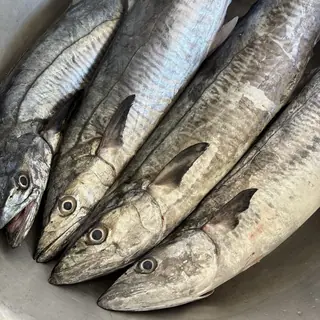
Spanish mackerel
3 shared dishes
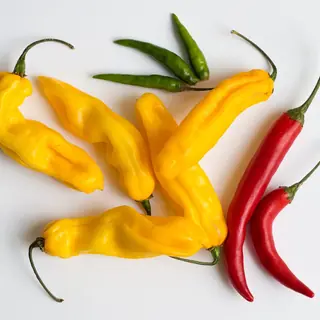
Chili pepper
12 shared dishes
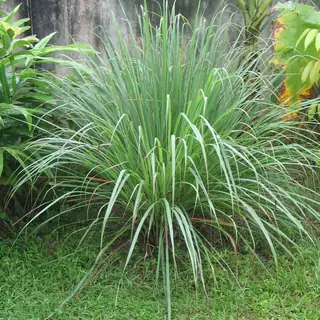
Lemongrass
9 shared dishes
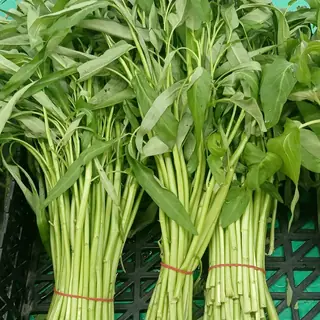
Water spinach
3 shared dishes
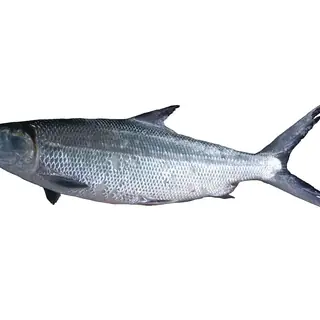
Milkfish
2 shared dishes
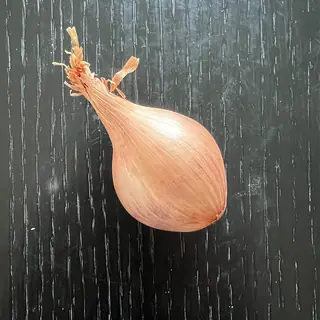
Shallot
11 shared dishes
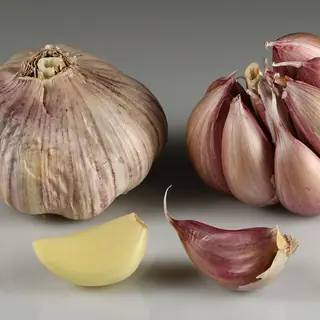
Garlic
15 shared dishes
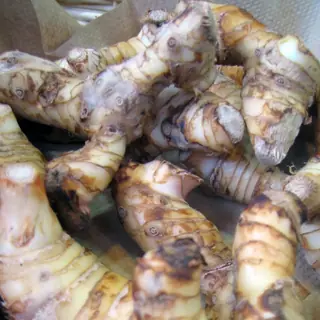
Galangal
8 shared dishes
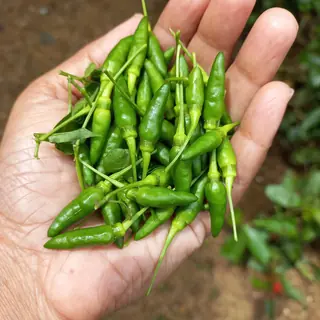
Bird's eye chili
5 shared dishes
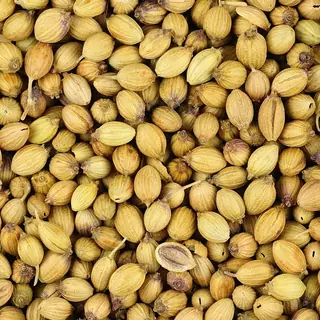
Coriander seed
5 shared dishes
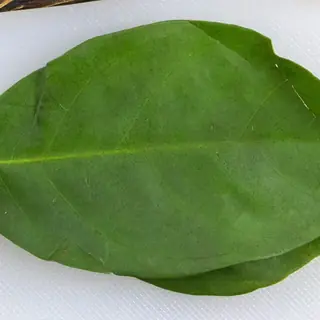
Indonesian bay leaf
5 shared dishes
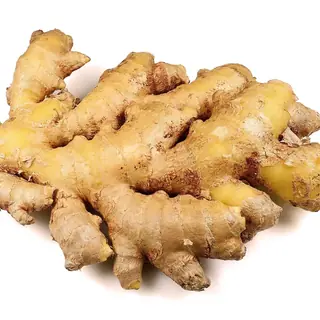
Ginger
6 shared dishes
Photo credits for this page (12)
Spanish mackerel: Tristan Wang570 · CC BY-SA 4.0 · Wikimedia Commons
Chili pepper: Takeaway · CC BY-SA 4.0 · Wikimedia Commons
Lemongrass: Unknown photographer · CC BY 2.0 · Wikimedia Commons
Water spinach: Fumikas Sagisavas · CC0 1.0 · Wikimedia Commons
Milkfish: Hugues Evano (IFREMER, Délégation océan Indien (DOI), Département Ressources Biologique… · CC BY 4.0 · Wikimedia Commons
Shallot: HaJunkiyada · CC BY-SA 4.0 · Wikimedia Commons
Garlic: Ivar Leidus · CC BY-SA 4.0 · Wikimedia Commons
Galangal: Ruth Hartnup from Vancouver, Canada · CC BY 2.0 · Wikimedia Commons
Bird's eye chili: Daizy John · CC BY-SA 4.0 · Wikimedia Commons
Coriander seed: Sanjay Acharya · CC BY-SA 4.0 · Wikimedia Commons
Indonesian bay leaf: Herusutimbul · CC BY-SA 4.0 · Wikimedia Commons
Ginger: Sanjay Acharya · CC BY-SA 4.0 · Wikimedia Commons


Around the world
What tamarind is called
Spanish
tamarindos
French
Tamarinier · tamarin · Tamarin
Italian
tamarindo
Portuguese
tamarindus
German
Tamarinde · Sauerdattel · Indische Dattel · Tamarind
Dutch
tamarinde
Greek
Ταμάρινδος
Russian
тамаринд
Arabic
تمر هندي
Hindi
इमली
Japanese
タマリンド
Thai
มะขาม
Show all 27 languages
Brazilian Portuguese
tamarindo
Bulgarian
тамаринд
Catalan
tamarinde
Croatian
tamarind
Danish
tamarind
Esperanto
tamarindfrukto
Finnish
tamarindi
Hausa
tsamiya
Hungarian
tamarindusz
Latvian
tamarinds
Malayalam
വാളൻപുളി · പുളി
N’Ko
ߕߏ߲ߓߋ · ߕߏߡߌ
Slovenian
tamarinda
Swedish
tamarind
Telugu
చింతకాయ
Western Panjabi
املی دے فائدے
Sources and credits
Data
- GlobeCooks editorial: descriptions, kitchen notes and classification, written by GlobeCooks from checked sources
- USDA FoodData Central (Foundation, SR Legacy): nutrition values (Public domain (US government work, CC0))
- Wikidata: names, classification and dishes (CC0 1.0)
- Wikimedia Commons: photos
- Wikipedia (English) (CC BY-SA 4.0)
Wikidata item: Q2391283
Photos
Photo: Ivar Leidus · CC BY-SA 4.0 · Wikimedia Commons