Radicchio
Cichorium intybusAlso called Italian chicory
Radicchio is a vegetable with edible leaves. Cooks grill, roast, or stuff the leaves and pair them with olive oil.
- Plant-based
- Gluten-free
- No listed allergens
About the plain ingredient, not packaged products; general information, not medical advice. Details
- Category
- Vegetables
- Part used
- Leaf
- Family
- Asteraceae
- Cooked most in
- Europe
- Top country
- France
- Dishes
- 1 in the catalogue
- Energy
- 26 kcal per 100 g

Photo: CostaPPPR · CC BY-SA 4.0 · Wikimedia Commons

In the kitchen
How to use radicchio
Typical ways to cook or use it
- Grill
- Roast
- Stuff
Cooking with it
Grilling or roasting softens its bitter, spicy taste.
Goes well with
Nutrition
What 100 g of radicchio holds
Protein 20%Fat 2%Carbohydrate 77%of the macronutrients by weight
| Energy | 26 kcal · 96 kJ |
|---|---|
| Protein | 1.3 g |
| Fat | 0.14 g |
| of which saturated | 0.06 g |
| Carbohydrate | 5 g |
| of which sugars | 2.2 g |
| Fibre | 2.1 g |
| Sodium | 8.1 mg |
| Cholesterol | 0 mg |
| Potassium | 335 mg |
|---|---|
| Calcium | 31 mg |
| Iron | 0.4 mg |
| Magnesium | 13 mg |
| Zinc | 0.2 mg |
| Vitamin C | 6.2 mg |
| Vitamin A (RAE) | 1 µg |
| Folate | 117 µg |
Source: USDA FoodData Central (foods 168564, 2747664), public domain. Minerals and vitamins are listed only where USDA measured a non-zero amount.
Around the world
Where radicchio is cooked
On the table
Dishes made with radicchio
Mesclun
France
Dish lists come from Wikidata; a dish counts when its recorded ingredients include radicchio.
Good to know
Diet and allergens: radicchio in detail
- Allergens
- None of the 15 listed allergens foundChecked and not found: soy, eggs, fish, milk, lupin, wheat, celery, sesame, mustard, peanuts, molluscs, sulphites, tree nuts, crustaceans, gluten cereals.
- Animal origin
- No animal ingredients foundChecked and not found: egg, fish, meat, dairy, honey, insect, gelatin, poultry, bone char, shellfish, other animal, animal fining, animal rennet.
- Gluten
- None
- Alcohol
- None
- Caffeine
- None
- Pork
- None
Cooked together
Often cooked with radicchio

Arugula
1 shared dish
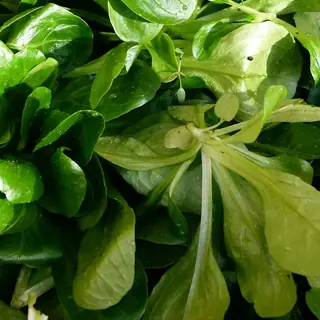
Corn salad
1 shared dish
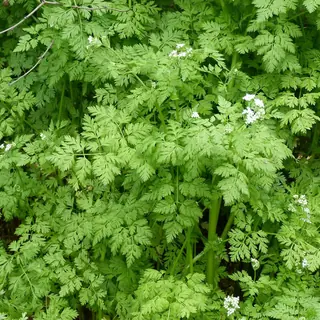
Chervil
1 shared dish
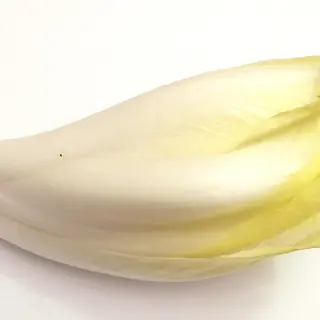
Endive
1 shared dish
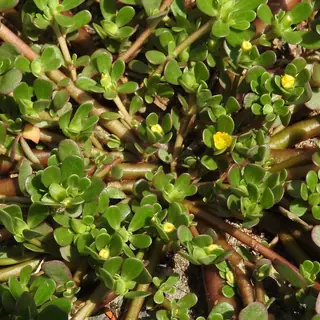
Purslane
1 shared dish
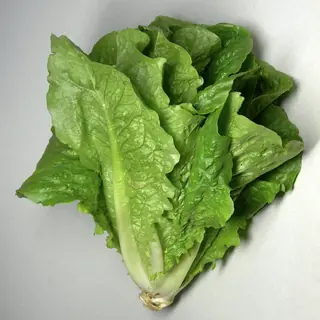
Lettuce
1 shared dish
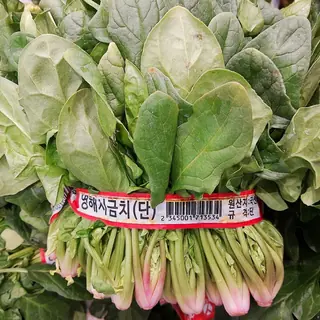
Spinach
1 shared dish
Photo credits for this page (7)
Arugula: Jeffery Martin · CC0 1.0 · Wikimedia Commons
Chervil: Derzsi Elekes Andor · CC BY-SA 4.0 · Wikimedia Commons
Endive: David Monniaux · CC BY-SA 3.0 · Wikimedia Commons
Purslane: Robert Flogaus-Faust · CC BY 4.0 · Wikimedia Commons
Lettuce: Rainer Zenz · CC BY-SA 3.0 · Wikimedia Commons
Spinach: Scudsvlad · CC BY-SA 4.0 · Wikimedia Commons


Around the world
What radicchio is called
Spanish
radicchio
French
Radicchio
Italian
radicchio
Portuguese
Radicchio
German
Radicchio
Dutch
Roodlof · Radicchio rosso
Russian
радиккьо · радиччио · итальянский цикорий · эскариол
Arabic
الهندباء
Japanese
ラディッキオ · 赤チコリー · トレビス
Korean
라디키오
Indonesian
Sawi merah
Basque
Txikoria gorri
Show all 25 languages
Belarusian (Taraskievica orthography)
радык’ё
Brazilian Portuguese
Radicchio
Catalan
Radicchio
Danish
radicchio
Egyptian Arabic
هندباء
Esperanto
salatcikorio
Finnish
punasikuri · punasalaatti
Hungarian
vörös cikória · radikkió
Macedonian
Радич
Romanian
radicchio · cicoare italiană
Serbian (Latin)
Radiccio di Treviso
Slovenian
radicchio
Swedish
Rosensallat · rosésallat · radicchiosallad · radicchio
Venetian
Radicio
Sources and credits
Data
- GlobeCooks editorial: descriptions, kitchen notes and classification, written by GlobeCooks from checked sources
- USDA FoodData Central (Foundation, SR Legacy): nutrition values (Public domain (US government work, CC0))
- Wikidata: names, classification and dishes (CC0 1.0)
- Wikimedia Commons: photos
- Wikipedia (English) (CC BY-SA 4.0)
Wikidata item: Q767765
Photos
Photo: CostaPPPR · CC BY-SA 4.0 · Wikimedia Commons