Pomegranate
Punica granatumAlso called grenadine fruit and grenadine fruits
Pomegranate is a fruit. Cooks use the fruit and seeds in baking and as a garnish.
- Plant-based
- Gluten-free
- No listed allergens
About the plain ingredient, not packaged products; general information, not medical advice. Details
- Category
- Fruit
- Part used
- Fruit, seed
- Family
- Lythraceae
- Dishes
- 1 in the catalogue
- Energy
- 83 kcal per 100 g

Photo: Ivar Leidus · CC BY-SA 4.0 · Wikimedia Commons
In the kitchen
How to use pomegranate
Typical ways to cook or use it
- Bake
- Garnish
Shopping
Choosing and storing pomegranate
In season · Northern hemisphere
- Janin season
- Febin season
- Marout of season
- Aprout of season
- Mayout of season
- Junout of season
- Julout of season
- Augout of season
- Sepin season
- Octin season
- Novin season
- Decin season
In seasonPeak
In season · Southern hemisphere
- Janout of season
- Febout of season
- Marin season
- Aprin season
- Mayin season
- Junout of season
- Julout of season
- Augout of season
- Sepout of season
- Octout of season
- Novout of season
- Decout of season
In seasonPeak
Nutrition
What 100 g of pomegranate holds
Protein 8%Fat 5%Carbohydrate 87%of the macronutrients by weight
| Energy | 83 kcal · 346 kJ |
|---|---|
| Protein | 1.7 g |
| Fat | 1.2 g |
| of which saturated | 0.12 g |
| Carbohydrate | 19 g |
| of which sugars | 14 g |
| Fibre | 4 g |
| Sodium | 3 mg |
| Cholesterol | 0 mg |
| Potassium | 236 mg |
|---|---|
| Calcium | 10 mg |
| Iron | 0.3 mg |
| Magnesium | 12 mg |
| Zinc | 0.35 mg |
| Vitamin C | 10 mg |
| Folate | 38 µg |
Source: USDA FoodData Central (food 169134), public domain. Minerals and vitamins are listed only where USDA measured a non-zero amount.
Around the world
Where pomegranate is cooked
Origins
- Native to
- Iran, Turkmenistan, Afghanistan, Pakistan
- First cultivated
- in Asia
The 1500s · Americas
Pomegranate was introduced to Spanish America in the late 1500s.
1769 · United States
Spanish settlers introduced pomegranate to California.
On the table
Dishes made with pomegranate
Kibbeh safarjaliyeh
Dish lists come from Wikidata; a dish counts when its recorded ingredients include pomegranate.
Good to know
Diet and allergens: pomegranate in detail
- Allergens
- None of the 15 listed allergens foundChecked and not found: soy, eggs, fish, milk, lupin, wheat, celery, sesame, mustard, peanuts, molluscs, sulphites, tree nuts, crustaceans, gluten cereals.
- Animal origin
- No animal ingredients foundChecked and not found: egg, fish, meat, dairy, honey, insect, gelatin, poultry, bone char, shellfish, other animal, animal fining, animal rennet.
- Gluten
- None
- Alcohol
- None
- Caffeine
- None
- Pork
- None
Cooked together
Often cooked with pomegranate
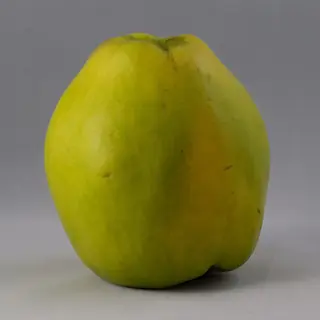
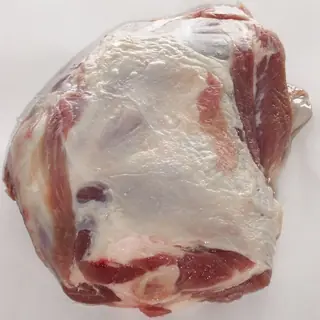
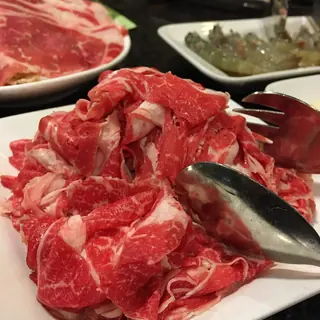

Photo credits for this page (4)
Quince: Rhododendrites · CC BY-SA 4.0 · Wikimedia Commons
Stock: Gloria Cabada-Leman · CC BY 2.0 · Wikimedia Commons
Lamb meat: Pujanak · Public domain · Wikimedia Commons
Beef: F ASTILY · CC BY-SA 4.0 · Wikimedia Commons


Around the world
What pomegranate is called
Spanish
granada
French
grenade
Italian
melagrana
Portuguese
romã
German
Granatapfelfrucht · Granatapfel
Dutch
granaatappel
Greek
ρόδι · ροιά
Turkish
nar
Russian
гранатина · гранат
Polish
granat
Arabic
رمان
Persian
انار
Show all 77 languages
Albanian
shegë
Amharic
ሩማን
Awadhi
अनार
Azerbaijani
nar
Basque
granada · mingrana · alesagar
Belarusian (Taraskievica orthography)
гранат
Bhojpuri
अनार
Burmese
တလည်း · သလဲသီး
Cantonese
石榴果
Catalan
magrana
Central Kurdish
ھەنار
Czech
granátové jablko
Egyptian Arabic
رمان
Esperanto
granato
Estonian
granaatõun
Fiji Hindi
anaar
Finnish
granaattiomena
Galician
milgranda
Gujarati
દાડમ
Haitian Creole
grenad
Hakka Chinese
sa̍k-liù
Hebrew
רימון
Hindi
अनार
Inari Sami
graanaatoomeen
Irish
pomagránait · pomagrainít
Japanese
ザクロ · 柘榴の実 · 柘榴 · ザクロの実
Kabyle
aḍɣaɣ
Kara-Kalpak
anar
Kashmiri
دٲن
Kashmiri (Arabic)
دٲن
Korean
석류
lbe
сунув
Malagasy
Ampongabendanitra
Malayalam
മാതളനാരങ്ങ
Marathi
डाळिंब
Mazanderani
انار
Nepali
दारिम
Northern Frisian
granaat aapel
Norwegian Bokmål
granateple
Norwegian Nynorsk
granateple
Pashto
انار
Punjabi
ਅਨਾਰ
Serbian
нар
Serbian (Latin)
Nar
Serbian (Latin)
nar
Shan
မၢၵ်ႇၸင်ႈ
Sicilian
Punica granatum
Sindhi
ڏاڙهون
skr
انار
Slovak
granátové jablko
Slovenian
granatno jabolko · margarana
Swedish
granatäpple
Tahitian
rēmuna
Tajik
анор
Tatar
анар
Tatar (Cyrillic)
анар
Telugu
దానిమ్మ
Tibetan
སེ་འབྲུ།
Traditional Chinese
石榴 · 石榴果實 · 安石榴
Ukrainian
гранат
Urdu
انار
Uyghur
ئانار
Uzbek
ahop
Vietnamese
lựu · quả lựu
Võro
granaatupin
Welsh
pomgranad
Western Panjabi
انار
Zhuang
maksigloux
Sources and credits
Data
- GlobeCooks editorial: descriptions, kitchen notes and classification, written by GlobeCooks from checked sources
- USDA FoodData Central (Foundation, SR Legacy): nutrition values (Public domain (US government work, CC0))
- Wikidata: names, classification and dishes (CC0 1.0)
- Wikimedia Commons: photos
- Wikipedia (English) (CC BY-SA 4.0)
Wikidata item: Q13222088
Photos
Photo: Ivar Leidus · CC BY-SA 4.0 · Wikimedia Commons