Mung bean
Vigna radiata
Mung beans are seeds that become soft when cooked. Cooks boil, simmer, steam, stew, or ferment them, blend them into a paste, and pair them with rice or coconut.
- Plant-based
- Gluten-free
- No listed allergens
About the plain ingredient, not packaged products; general information, not medical advice. Details
- Category
- Beans & pulses
- Part used
- Seed
- Family
- Fabaceae
- Texture
- Soft
- Cooked most in
- Asia
- Top country
- Vietnam
- Dishes
- 1 in the catalogue
- Energy
- 347 kcal per 100 g

Photo: FireFeather · CC BY-SA 4.0 · Wikimedia Commons
In the kitchen
How to use mung bean
Flavour
Taste and texture
Texture, cooked
- Soft
Nutrition
What 100 g of mung bean holds
Protein 27%Fat 1%Carbohydrate 71%of the macronutrients by weight
| Energy | 347 kcal · 1,452 kJ |
|---|---|
| Protein | 24 g |
| Fat | 1.2 g |
| of which saturated | 0.35 g |
| Carbohydrate | 63 g |
| of which sugars | 6.6 g |
| Fibre | 16 g |
| Sodium | 15 mg |
| Cholesterol | 0 mg |
| Potassium | 1,246 mg |
|---|---|
| Calcium | 132 mg |
| Iron | 6.7 mg |
| Magnesium | 189 mg |
| Zinc | 2.7 mg |
| Vitamin C | 4.8 mg |
| Vitamin A (RAE) | 6 µg |
| Folate | 625 µg |
Source: USDA FoodData Central (food 174256), public domain. Minerals and vitamins are listed only where USDA measured a non-zero amount.
Around the world
Where mung bean is cooked
On the table
Dishes made with mung bean
Bánh chay
Vietnam
Dish lists come from Wikidata; a dish counts when its recorded ingredients include mung bean.
Good to know
Diet and allergens: mung bean in detail
- Allergens
- None of the 15 listed allergens foundChecked and not found: soy, eggs, fish, milk, lupin, wheat, celery, sesame, mustard, peanuts, molluscs, sulphites, tree nuts, crustaceans, gluten cereals.
- Animal origin
- No animal ingredients foundChecked and not found: egg, fish, meat, dairy, honey, insect, gelatin, poultry, bone char, shellfish, other animal, animal fining, animal rennet.
- Gluten
- None
- Alcohol
- None
- Caffeine
- None
- Pork
- None
Family
Related forms
- A kind of
- bean
- Made from it
- mung bean sprout (sprouted)
Cooked together
Often cooked with mung bean
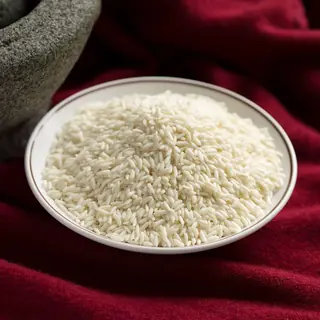

Photo credits for this page (1)
Glutinous rice: Takeaway · CC BY-SA 4.0 · Wikimedia Commons

Around the world
What mung bean is called
Vietnamese
hạt đậu xanh · đỗ xanh · hạt đỗ xanh · đậu xanh
Catalan
mongeta mung · fesol mung
Kinaray-a
munggo
Slovenian
fižol mungo · fižol mung
Venetian
mungo · munghi
Sources and credits
Data
- GlobeCooks editorial: descriptions, kitchen notes and classification, written by GlobeCooks from checked sources
- USDA FoodData Central (Foundation, SR Legacy): nutrition values (Public domain (US government work, CC0))
- Wikidata: names, classification and dishes (CC0 1.0)
- Wikimedia Commons: photos
- Wikipedia (English) (CC BY-SA 4.0)
Wikidata item: Q104664662
Photos
Photo: FireFeather · CC BY-SA 4.0 · Wikimedia Commons