Green bean
Phaseolus vulgarisAlso called fine bean, string bean, snap bean and filet bean
Green beans are a kind of common bean whose pods are used as a vegetable. Sold fresh, frozen, or canned, they can be baked, boiled, simmered, pickled, steamed, stewed, or stir-fried.
- Plant-based
- Gluten-free
- No listed allergens
About the plain ingredient, not packaged products; general information, not medical advice. Details
- Category
- Vegetables
- Part used
- Pod
- Family
- Fabaceae
- Top country
- Indonesia
- Dishes
- 5 in the catalogue
- Energy
- 40 kcal per 100 g

Photo: Susan Slater · CC BY-SA 4.0 · Wikimedia Commons
In the kitchen
How to use green bean
Typical ways to cook or use it
- Bake
- Boil simmer
- Pickle
- Steam
- Stew
- Stir fry
Cooking with it
Purple pods turn green during cooking.
Shopping
Choosing and storing green bean
- Sold as
- Canned, Fresh, Frozen
Nutrition
What 100 g of green bean holds
Protein 20%Fat 3%Carbohydrate 77%of the macronutrients by weight
| Energy | 40 kcal · 131 kJ |
|---|---|
| Protein | 2 g |
| Fat | 0.28 g |
| of which saturated | 0.05 g |
| Carbohydrate | 7.4 g |
| of which sugars | 2.3 g |
| Fibre | 3 g |
| Sodium | 0 mg |
| Cholesterol | 0 mg |
| Potassium | 290 mg |
|---|---|
| Calcium | 40 mg |
| Iron | 0.65 mg |
| Magnesium | 28 mg |
| Zinc | 0.35 mg |
| Vitamin C | 12 mg |
| Vitamin A (RAE) | 35 µg |
| Folate | 33 µg |
Frozen
Protein 18%Fat 2%Carbohydrate 80%of the macronutrients by weight
| Energy | 28 kcal · 117 kJ |
|---|---|
| Protein | 1.5 g |
| Fat | 0.17 g |
| of which saturated | 0.04 g |
| Carbohydrate | 6.5 g |
| of which sugars | 1.9 g |
| Fibre | 3 g |
| Sodium | 245 mg |
| Cholesterol | 0 mg |
| Potassium | 126 mg |
|---|---|
| Calcium | 49 mg |
| Iron | 0.88 mg |
| Magnesium | 24 mg |
| Zinc | 0.48 mg |
| Vitamin C | 4.1 mg |
| Vitamin A (RAE) | 6 µg |
| Folate | 23 µg |
Source: USDA FoodData Central (foods 169961, 2346400, 169327), public domain. Minerals and vitamins are listed only where USDA measured a non-zero amount.
Around the world
Where green bean is cooked
Countries whose dishes use it most
Counts are catalogued dishes from each country that list green bean among their ingredients.
On the table
Dishes made with green bean
Bok l'hong
Cambodia
Selat Solo
Indonesia
Gulai tauco
Indonesia
Dish lists come from Wikidata; a dish counts when its recorded ingredients include green bean.
Good to know
Diet and allergens: green bean in detail
- Allergens
- None of the 15 listed allergens foundChecked and not found: soy, eggs, fish, milk, lupin, wheat, celery, sesame, mustard, peanuts, molluscs, sulphites, tree nuts, crustaceans, gluten cereals.
- Animal origin
- No animal ingredients foundChecked and not found: egg, fish, meat, dairy, honey, insect, gelatin, poultry, bone char, shellfish, other animal, animal fining, animal rennet.
- Gluten
- None
- Alcohol
- None
- Caffeine
- None
- Pork
- None
Family
Related forms
- A kind of
- common bean
Cooked together
Often cooked with green bean
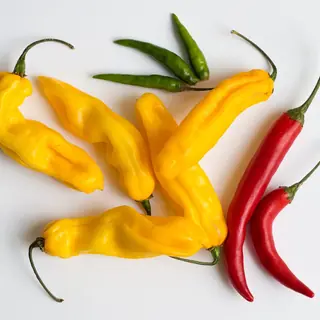
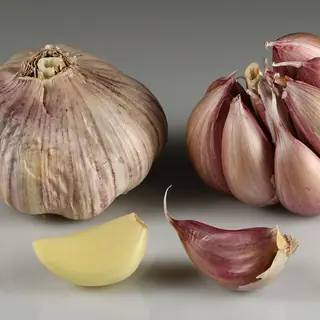

Photo credits for this page (2)
Chili pepper: Takeaway · CC BY-SA 4.0 · Wikimedia Commons
Garlic: Ivar Leidus · CC BY-SA 4.0 · Wikimedia Commons


Around the world
What green bean is called
Spanish
judía verde · frijolitos · frijolitos verdes · habichuelas
French
haricot vert
Italian
fagiolino · fagiolo mangiatutto · tegolina · cornetto
Portuguese
feijão-verde · vagem
German
grüne Bohne · Stangenbohnen · Keniabohnen · Prinzessinnenbohnen
Dutch
sperzieboon · sperziebonen · groene bonen · prinsessenboon
Greek
φασολάκι
Turkish
Yeşil fasulye
Russian
зелёностручковая фасоль · спаржевая фасоль · фасоль стручковая
Polish
fasolka szparagowa
Arabic
الفاصوليا الخضراء
Persian
لوبیا سبز
Show all 64 languages
Albanian
bishtaja · mashurka
Azerbaijani
Göy lobya
Basque
leka
Bikol
Balatong
Bosnian
boranija · mahune · mohune
Brazilian Portuguese
Green Beans
Cantonese
荳角
Catalan
mongeta tendra
Cheyenne
Tó'êsemónêškeho
Chinese
豆角
Croatian
Grah mahunar
Czech
zelená fazolka · zelené fazolky · fazolka · fazolky
Divehi
ފެހި ތޮޅި
Egyptian Arabic
فاصوليا خضرا
Filipino
Sitaw
Finnish
Haricot vert
Hebrew
שעועית ירוקה
Hindi
green been
Hungarian
zöldbab
Indonesian
buncis · kacang buncis · Phaseolus vulgaris
Japanese
サヤインゲン
Javanese
Buncis
kbp
Sona lɛŋ ñɩna
Korean
풋강낭콩
Latvian
zaļās pupiņas
Ligurian
faxolin · faxolìn · faxulìn · faixörin
Lithuanian
Šparaginė pupelė
Luxembourgish
Gréng Boun · Boun · Phaseolus vulgaris · Staacheboun
Macedonian
Боранија
Malay
Pokok Kacang Buncis
nah
Exotl
Norwegian Bokmål
brekkbønne
Norwegian Nynorsk
brekkbønne
Pampanga
Aluntiang Bitsuwelas
Pangasinan
Agayep
Picard
Feuvette vèrde
Romanian
fasole pastai verde
rsk
Мауна
Sanskrit
निष्पावप्रभेदः
Serbian
Боранија
Serbian (Latin)
Mahuna
Shan
ထူဝ်ႇမႅင်းၸီး
Sicilian
fasulina · faciulina
Slovenian
zeleni fižol · stročji fižol
Swedish
brytböna · Haricots verts · brytbönor · gröna bönor
syl
ꠃꠞꠤ
Tamil
பச்சை அவரை
Thai
ถั่วแขก
Ukrainian
Стручкова квасоля
Vietnamese
Đậu cô ve
Waray
Hantak
Wolof
ñebe
Zulu
AmaLumulondo
Sources and credits
Data
- GlobeCooks editorial: descriptions, kitchen notes and classification, written by GlobeCooks from checked sources
- USDA FoodData Central (Foundation, SR Legacy): nutrition values (Public domain (US government work, CC0))
- Wikidata: names, classification and dishes (CC0 1.0)
- Wikimedia Commons: photos
Wikidata item: Q2987371
Photos
Photo: Susan Slater · CC BY-SA 4.0 · Wikimedia Commons