Cornmeal
Also called maize meal, Indian meal, corn grits and maize grits
Cornmeal is made from dried, ground maize kernels. Cooks boil or simmer it.
- Plant-based
- Gluten-free
- No listed allergens
About the plain ingredient, not packaged products; general information, not medical advice. Details
- Category
- Grains, flours & pasta
- Made from
- Maize
- Part used
- Kernel
- Cooked most in
- Africa, The Americas
- Top country
- Nigeria
- Dishes
- 8 in the catalogue
- Energy
- 370 kcal per 100 g

Photo: Popo le Chien · CC BY-SA 3.0 · Wikimedia Commons
In the kitchen
How to use cornmeal
Typical ways to cook or use it
- Boil simmer
Nutrition
What 100 g of cornmeal holds
Protein 8%Fat 2%Carbohydrate 90%of the macronutrients by weight
| Energy | 370 kcal · 1,547 kJ |
|---|---|
| Protein | 7.1 g |
| Fat | 1.8 g |
| of which saturated | 0.22 g |
| Carbohydrate | 79 g |
| of which sugars | 1.6 g |
| Fibre | 3.9 g |
| Sodium | 7 mg |
| Cholesterol | 0 mg |
| Potassium | 142 mg |
|---|---|
| Calcium | 3 mg |
| Iron | 4.4 mg |
| Magnesium | 32 mg |
| Zinc | 0.66 mg |
| Folate | 209 µg |
Source: USDA FoodData Central (food 168922), public domain. Minerals and vitamins are listed only where USDA measured a non-zero amount.
Around the world
Where cornmeal is cooked
Dishes by continent
Countries whose dishes use it most
- Nigeria 3
- Kenya 1
- Togo 1
- Venezuela 1
Counts are catalogued dishes from each country that list cornmeal among their ingredients.
On the table
Dishes made with cornmeal
Hallaca
Venezuela
Djenkoume
Togo
Tamale
Agidi
Nigeria
Ugali
Kenya
Ogi
Nigeria
Tuwo masara (corn meal)
Nigeria
Yokh
Dish lists come from Wikidata; a dish counts when its recorded ingredients include cornmeal.
Good to know
Diet and allergens: cornmeal in detail
- Allergens
- None of the 15 listed allergens foundChecked and not found: soy, eggs, fish, milk, lupin, wheat, celery, sesame, mustard, peanuts, molluscs, sulphites, tree nuts, crustaceans, gluten cereals.
- Animal origin
- No animal ingredients foundChecked and not found: egg, fish, meat, dairy, honey, insect, gelatin, poultry, bone char, shellfish, other animal, animal fining, animal rennet.
- Gluten
- None
- Alcohol
- None
- Caffeine
- None
- Pork
- None
Family
Related forms
- Made from
- maize (dried, ground)
Cooked together
Often cooked with cornmeal
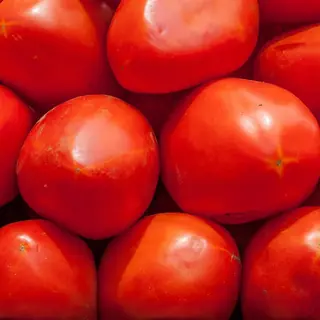
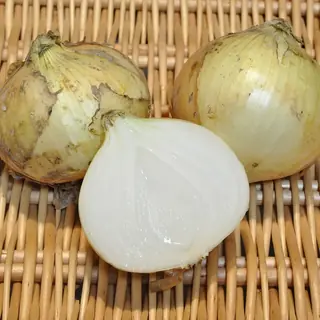
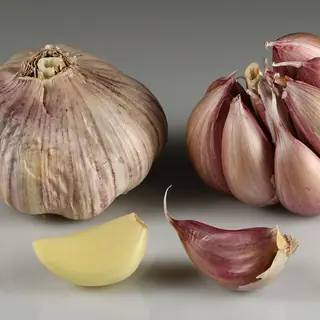

Photo credits for this page (3)
Garlic: Ivar Leidus · CC BY-SA 4.0 · Wikimedia Commons


Around the world
What cornmeal is called
Spanish
Fubá
French
semoule de maïs · polenta
Italian
farina per polenta · farina gialla
Portuguese
fubá · Bolo de fubá
German
Maisgrieß
Greek
Αλεύρι καλαμποκιού
Russian
кукурузная крупа
Polish
kasza kukurydziana
Hebrew
מאכל תירס
Chinese
粗玉米粉
Japanese
コーンミール
Korean
콘밀
Show all 29 languages
Armenian
եգիպտացորենի ալյուր
Belarusian (Taraskievica orthography)
кукурузная мука · кукурузныя крупы
Brazilian Portuguese
fubá
Catalan
farina de blat de les Índies
Cheyenne
mâhaemenépénôhéó'o
Choctaw
ta̱shfotoha
Czech
kukuřičná mouka
Esperanto
maizoŝroto
Galician
fubá
Hausa
tuwon masara
Hungarian
kukoricadara
Javanese
séreal jagung
Romanian
mălai · făină de porumb · mămăligă de porumb
Scottish Gaelic
min-bhuidhe
Slovenian
koruzni zdrob
Swedish
majsgryn · grovt majsmjöl
Traditional Chinese (Hong Kong SAR China)
粗粟米粉
Ukrainian
кукурудзяна крупа
Zulu
Impuphu yommbila
Sources and credits
Data
- GlobeCooks editorial: descriptions, kitchen notes and classification, written by GlobeCooks from checked sources
- USDA FoodData Central (Foundation, SR Legacy): nutrition values (Public domain (US government work, CC0))
- Wikidata: names, classification and dishes (CC0 1.0)
- Wikimedia Commons: photos
Wikidata item: Q10286140
Photos
Photo: Popo le Chien · CC BY-SA 3.0 · Wikimedia Commons