Orange
Orange is a fruit. Cooks eat it raw, preserve it, and use its fruit and skin to garnish and season dishes.
- Plant-based
About the plain ingredient, not packaged products; general information, not medical advice. Details
- Category
- Fruit
- Part used
- Fruit, skin
- Family
- Rutaceae
- Cooked most in
- Asia, The Americas, Europe
- Top country
- Indonesia
- Dishes
- 5 in the catalogue
- Energy
- 47 kcal per 100 g

Photo: Ivar Leidus · CC BY-SA 4.0 · Wikimedia Commons
In the kitchen
How to use orange
Typical ways to cook or use it
- Garnish
- Preserve
- Raw
- Season
Preparing it
Peel oranges before eating them fresh. Scrape the coloured surface of the peel to make zest.
Shopping
Choosing and storing orange
Choosing a good one
Choose mature oranges; they will not ripen after picking.
Nutrition
What 100 g of orange holds
Protein 7%Fat 1%Carbohydrate 92%of the macronutrients by weight
| Energy | 47 kcal · 196 kJ |
|---|---|
| Protein | 0.91 g |
| Fat | 0.15 g |
| of which saturated | 0.02 g |
| Carbohydrate | 12 g |
| of which sugars | 8.6 g |
| Fibre | 2 g |
| Sodium | 9 mg |
| Cholesterol | 0 mg |
| Potassium | 166 mg |
|---|---|
| Calcium | 43 mg |
| Iron | 0.33 mg |
| Magnesium | 11 mg |
| Zinc | 0.11 mg |
| Vitamin C | 59 mg |
| Vitamin A (RAE) | 21 µg |
| Folate | 25 µg |
Source: USDA FoodData Central (foods 169103, 746771), public domain. Minerals and vitamins are listed only where USDA measured a non-zero amount.
Around the world
Where orange is cooked
Dishes by continent
Countries whose dishes use it most
Counts are catalogued dishes from each country that list orange among their ingredients.
Origins
- First cultivated
- in Eastern Asia
1565 · United States
Expeditions brought sweet oranges to Florida in 1565.
1646 · Europe
By 1646, sweet oranges were familiar across Europe.
1769 · United States
Franciscans brought orange trees to San Diego in 1769.
On the table
Dishes made with orange
Masam keueueng
Indonesia
Naranjas picadas
Spain
Orange chicken
United States
Natinombur
Indonesia
Meuseukat
Indonesia
Dish lists come from Wikidata; a dish counts when its recorded ingredients include orange.
Good to know
Diet and allergens: orange in detail
- Allergens
- None of the 15 listed allergens foundChecked and not found: eggs, fish, milk, molluscs, sulphites, crustaceans.
- Animal origin
- No animal ingredients foundChecked and not found: egg, fish, meat, dairy, honey, insect, gelatin, poultry, bone char, shellfish, other animal, animal fining, animal rennet.
- Alcohol
- None
- Pork
- None
Cooked together
Often cooked with orange
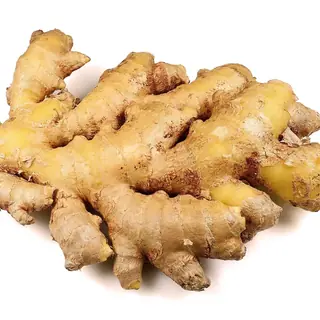
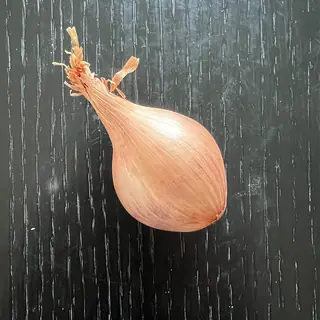
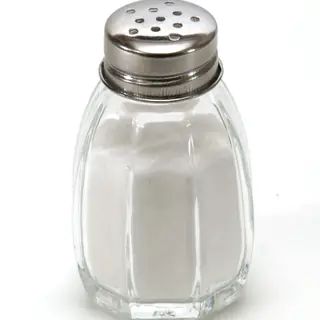

Photo credits for this page (3)
Ginger: Sanjay Acharya · CC BY-SA 4.0 · Wikimedia Commons
Shallot: HaJunkiyada · CC BY-SA 4.0 · Wikimedia Commons
Table salt: Dubravko Sorić SoraZG on Flickr · CC BY 2.0 · Wikimedia Commons


Around the world
What orange is called
Spanish
naranja
French
orange
Italian
arancia
Portuguese
laranja
German
Orange · Apfelsine
Dutch
sinaasappel · appelsien
Greek
πορτοκάλι
Turkish
Portakal
Russian
апельсин
Polish
pomarańcza
Arabic
برتقال · برتقان
Persian
پرتقال
Show all 198 languages
Abkhazian
Апатырқал
Afrikaans
Lemoen
Akan
ankaa · akutuo
Albanian
Portokalli · Nerënxa
Algerian Arabic
لتشين
Amharic
ብርቱካን
Aragonese
Narancha
Armenian
Նարնջենի
Assamese
সুমথিৰা টেঙা · সুমথিৰা · কমলা · কমলা টেঙা
Asturian
Naranxa
azb
پورتاقال
Azerbaijani
Portağal
Bangla
কমলা
Bashkir
Әфлисун
Basque
laranja · Laranjondo · Citrus sinensis · Urre-sagar
Batak Toba
Unte
Bavarian
Pamarantschn
Belarusian
Апельсін
Belarusian (Taraskievica orthography)
апэльсін
Bhojpuri
संतरा
Bosnian
Narandža
Brazilian Portuguese
laranja
Breton
Aouraval
Bulgarian
портокал
Burmese
လိမ္မော်သီး
Cantonese
橙
Catalan
taronja
Central Kurdish
پرتەقاڵ
Cherokee
ᎣᏂᏥ
Chinese
橙 · 橙子
Chuvash
Апельсин
Cornish
owraval
Croatian
Naranča
Czech
pomeranč
dag
Leemu
Danish
appelsin
dga
aŋkaa · aŋkaa wɔme · citrus aŋkaa
Divehi
ނާރިނގު
Egyptian Arabic
برتقال
eml
Partugal
Erzya
Тюжамарь
Esperanto
oranĝo
Estonian
apelsin · apelsinid
Faroese
appilsin
Fijian
Moli
Filipino
Dalandan
Finnish
appelsiini
fmp
Poma
Fon
Yovozɛn
Frafra
Leemu
Friulian
Naranç
Galician
laranxa
Ganda
Omuchungwa · Emichungwa
gcr
Zoranj (frwi)
Georgian
ფორთოხალი
Gilaki
پؤردخال
Goan Konkani
ಸ೦ತ್ರಾ೦
Gujarati
સંતરુ · નારંગી
Haitian Creole
Zoranj
Hausa
Lemu · Lemo
Hebrew
תפוז
Hindi
संतरा · नारंगी
Hungarian
narancs
hyw
Նարինջ
Icelandic
appelsína
Ido
Oranjo
Igbo
Orange · Oroma
Iloko
Dalandan
Inari Sami
appelsin
Indonesian
jeruk
Inuktitut
ᐊᐅᐸᔮᖓᔪᖅ
Irish
oráiste
Japanese
オレンジ · オレンジの実
Javanese
jeruk
Kannada
ಕಿತ್ತಳೆ
Kara-Kalpak
Apelsin
Kashmiri
سنٛگتر
Kashubian
Apfelzyna
Kazakh
Апельсин
kge
Limau
Khmer
ក្រូច
Kongo
Dilala
Korean
오렌지
Kurdish
Pirteqal
Kyrgyz
Апельсин
Ladino
Portokal
Lao
ໝາກກ້ຽງ
Latin
Malum sinense · Aurantium dulce · Citrus × sinensis
Latvian
apelsīns
Limburgish
Appelesien
Lingala
Lilála
Literary Chinese
橙
Lithuanian
Apelsinas
Lojban
najnimre
Lombard
Citrus × sinensis
Low German
Appelsien
Low Saxon
appelsien
Lower Sorbian
Apelsina
Lule Sami
appelsijnna
Luxembourgish
Orange
Macedonian
портокал
Maithili
सन्तोला
Malagasy
voasary
Malay
Oren
Malayalam
ഓറഞ്ച് · മധുര നാരങ്ങ
Maltese
larinġa · larinġ
Manchu
ᠵᡠᡧᡠᡥᡠᠨ ᠵᠣᡶᠣᡥᠣᡵᡳ
Manipuri
ꯀꯣꯝꯂꯥ
Manx
Oranje
Marathi
संत्रे
Mazanderani
پتقال
Min Nan Chinese
Liú-teng
Minangkabau
limau manih · jeruk
Mirandese
Lharanja
Mongolian
Жүрж
N’Ko
ߟߋ߬ߡߎ߬ߣߎ߲߬ߓߊ · ߟߋ߬ߡߎߡߎ߲
nah
Naranjaxocotl
Navajo
Chʼil łitsxooí
Neapolitan
purtuallo
Nepali
जुनार
Newari
सन्त्रासि
Nias
Dima Sami
Northern Frisian
Aapelsiin
Northern Sami
appelsiidna
Northern Sotho
Namune
Norwegian Bokmål
appelsin
Norwegian Nynorsk
appelsin
Occitan
Irange
Odia
କମଳା · ସନ୍ତରା
Old English
Cīnæppel
Oromo
Burtukaana
Ossetic
апельсин
Pampanga
Dalandan
Pashto
مالټه
Piedmontese
Citrus sinensis
Punjabi
ਸੰਗਤਰਾ
Quechua
Chilina
Romanian
portocală
Rundi
Umucungwe
Samoan
Moli
Sanskrit
नारङ्गफलम्
Santali
ᱠᱚᱢᱞᱟ
Scots
Oranger
Serbian
наранџа
Serbian (Cyrillic)
Наранџа
Serbian (Latin)
Naranča
Shan
မၢၵ်ႇၸွၵ်း · မၢၵ်ႇၸုၵ်း
Shona
Ranjisi
Sicilian
arancia · aranciu
Silesian
Apluzina
Simplified Chinese
橙 · 橙子
Simplified Chinese (China)
橙 · 橙子
Simplified Chinese (Malaysia)
橙 · 橙子
Simplified Chinese (Singapore)
橙 · 橙子
Sindhi
نارنگي
Skolt Sami
appelsiin
Slovak
pomaranč
Slovenian
pomaranča · oranža
Somali
Liin
Southern Sotho
lamuni
Swahili
chungwa
Swedish
apelsin
Swiss German
Orangsche
Tahitian
Ânani
Tamil
தோடை · ஆரஞ்சுப் பழம்
Tatar
әфлисун
Tatar (Cyrillic)
әфлисун
tdd
ᥛᥣᥐᥱ ᥓᥩᥐᥴ
Telugu
బత్తాయి · నారింజ
Thai
ส้ม
Tibetan
ཚ་ལུ་མ།
Tongan
Moli
Traditional Chinese
橙 · 橙子
Traditional Chinese (Hong Kong SAR China)
橙 · 橙子
Traditional Chinese (Macao SAR China)
橙 · 橙子
Traditional Chinese (Taiwan)
橙 · 橙子
Tumbuka
Olenji
Tunisian Arabic (Arabic)
كعبة بردڨان
Tunisian Arabic (Latin)
bortgèn
Tyap
a̱lyemu
Udmurt
апельсин
Ukrainian
апельсин
Upper Sorbian
apelsina · oranža · oranže · apelsiny
Urdu
مالٹا
Uyghur
ئاپېلسىن
Uzbek
Apelsin · Po‘rtaxol · Poʻrtaxol · Po`rtaxol
Vietnamese
cam · quả cam · trái cam
Võro
Apõlsiin
Walloon
Orandje · pene d' amour
Waray
Aranghitas
Welsh
oren
West Flemish
Seenappel
Western Mari
Апельсин
Western Panjabi
سنگترہ
Wolof
Suraas g
Wu Chinese
橙
Yiddish
מאראנץ
Yoruba
ọsàn
Zhuang
Makdoengj
Zulu
INtshungwa
Sources and credits
Data
- GlobeCooks editorial: descriptions, kitchen notes and classification, written by GlobeCooks from checked sources
- USDA FoodData Central (Foundation, SR Legacy): nutrition values (Public domain (US government work, CC0))
- Wikidata: names, classification and dishes (CC0 1.0)
- Wikimedia Commons: photos
- Wikipedia (English) (CC BY-SA 4.0)
Wikidata item: Q13191
Photos
Photo: Ivar Leidus · CC BY-SA 4.0 · Wikimedia Commons