Cauliflower
Brassica oleracea var. botrytis
Cauliflower is a vegetable grown for its buds. It can be eaten raw or boiled, simmered, grilled, pickled, roasted, or steamed.
- Plant-based
- Gluten-free
- No listed allergens
About the plain ingredient, not packaged products; general information, not medical advice. Details
- Category
- Vegetables
- Part used
- Bud
- Family
- Brassicaceae
- Cooked most in
- Asia
- Top country
- Indonesia
- Dishes
- 4 in the catalogue
- Energy
- 28 kcal per 100 g

Photo: Fumikas Sagisavas · CC0 1.0 · Wikimedia Commons

In the kitchen
How to use cauliflower
Typical ways to cook or use it
- Boil simmer
- Grill
- Pickle
- Raw
- Roast
- Steam
Nutrition
What 100 g of cauliflower holds
Protein 25%Fat 4%Carbohydrate 72%of the macronutrients by weight
| Energy | 28 kcal · 104 kJ |
|---|---|
| Protein | 1.6 g |
| Fat | 0.24 g |
| of which saturated | 0.13 g |
| Carbohydrate | 4.7 g |
| of which sugars | 1.9 g |
| Fibre | 1.9 g |
| Sodium | 20 mg |
| Cholesterol | 0 mg |
| Potassium | 274 mg |
|---|---|
| Calcium | 20 mg |
| Iron | 0.33 mg |
| Magnesium | 14 mg |
| Zinc | 0.23 mg |
| Vitamin C | 67 mg |
| Folate | 97 µg |
Source: USDA FoodData Central (foods 169986, 2685573), public domain. Minerals and vitamins are listed only where USDA measured a non-zero amount.
Around the world
Where cauliflower is cooked
Dishes by continent
- Asia4
Countries whose dishes use it most
Counts are catalogued dishes from each country that list cauliflower among their ingredients.
Origins
About 1490 · Italy
Cauliflower is thought to have reached Italy around 1490.
The 1500s · France and Italy
Cauliflower was introduced to France from Genoa in the 1500s.
1822 · India
The British introduced cauliflower to India in 1822.
On the table
Dishes made with cauliflower
Sapo tahu
Indonesia
Chilly Gobi
India
Lotek
Indonesia
Soto Bogor
Indonesia
Dish lists come from Wikidata; a dish counts when its recorded ingredients include cauliflower.
Good to know
Diet and allergens: cauliflower in detail
- Allergens
- None of the 15 listed allergens foundChecked and not found: soy, eggs, fish, milk, lupin, wheat, celery, sesame, mustard, peanuts, molluscs, sulphites, tree nuts, crustaceans, gluten cereals.
- Animal origin
- No animal ingredients foundChecked and not found: egg, fish, meat, dairy, honey, insect, gelatin, poultry, bone char, shellfish, other animal, animal fining, animal rennet.
- Gluten
- None
- Alcohol
- None
- Caffeine
- None
- Pork
- None
Cooked together
Often cooked with cauliflower
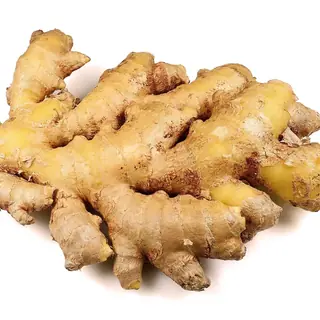
Ginger
2 shared dishes
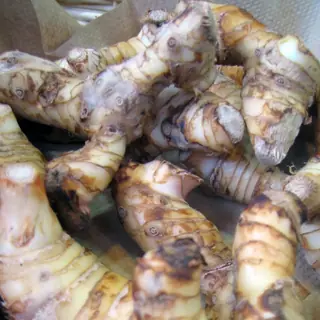
Galangal
2 shared dishes
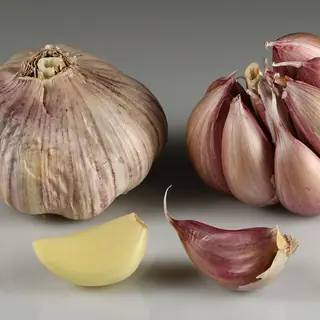
Garlic
3 shared dishes
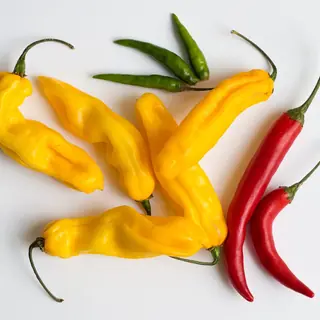
Chili pepper
2 shared dishes
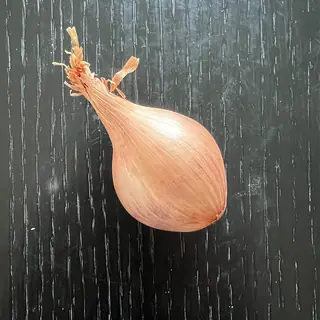
Shallot
2 shared dishes
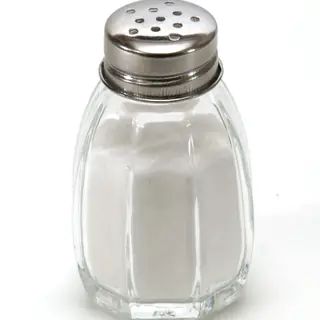
Table salt
3 shared dishes
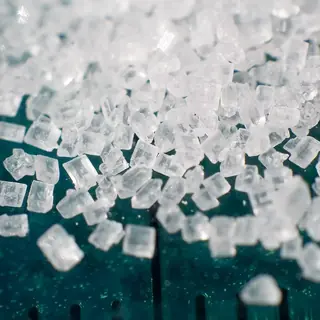
Sugar
2 shared dishes
Photo credits for this page (7)
Ginger: Sanjay Acharya · CC BY-SA 4.0 · Wikimedia Commons
Galangal: Ruth Hartnup from Vancouver, Canada · CC BY 2.0 · Wikimedia Commons
Garlic: Ivar Leidus · CC BY-SA 4.0 · Wikimedia Commons
Chili pepper: Takeaway · CC BY-SA 4.0 · Wikimedia Commons
Shallot: HaJunkiyada · CC BY-SA 4.0 · Wikimedia Commons
Table salt: Dubravko Sorić SoraZG on Flickr · CC BY 2.0 · Wikimedia Commons
Sugar: Lauri Andler (Phantom) · CC BY-SA 3.0 · Wikimedia Commons


Around the world
What cauliflower is called
Spanish
coliflor
French
chou-fleur · choux-fleur, choux-fleurs
Italian
cavolfiore
German
Blumenkohl
Dutch
bloemkool · bloemkolen
Russian
цветная капуста
Polish
kalafior
Chinese
花椰菜 · 菜花 · 花菜
Japanese
カリフラワー · 畑のレモン
Austrian German
Karfiol
Basque
azalore
Belarusian (Taraskievica orthography)
каляровая капуста
Show all 29 languages
Brazilian Portuguese
couve-flor
Burmese
မုန်လာပန်း · ပန်းမုန်လာ
Catalan
coliflor
Danish
blomkålshoved · blomkål
Esperanto
florbrasiko
Hungarian
karfiol
Inari Sami
kukkákaalâ
Lule Sami
diehppekålla
Malayalam
കോളിഫ്ലവർ
Northern Sami
diehppegálla · lieđđegálla
Norwegian Bokmål
blomkål
Santali
ᱵᱟᱦᱟ ᱠᱳᱵᱤ · ᱵᱟᱦᱟ ᱠᱩᱵᱤ
Shan
ၽၵ်းၵၢတ်ႇမွၵ်ႇ
Simplified Chinese
花椰菜 · 菜花
sje
blummakålå
Slovenian
cvetača
Tatar
төсле кәбестә
Tatar (Cyrillic)
төсле кәбестә
Telugu
గోబీ పుష్పం
Venetian
cavolfior
Sources and credits
Data
- GlobeCooks editorial: descriptions, kitchen notes and classification, written by GlobeCooks from checked sources
- USDA FoodData Central (Foundation, SR Legacy): nutrition values (Public domain (US government work, CC0))
- Wikidata: names, classification and dishes (CC0 1.0)
- Wikimedia Commons: photos
- Wikipedia (English) (CC BY-SA 4.0)
Wikidata item: Q23900272
Photos
Photo: Fumikas Sagisavas · CC0 1.0 · Wikimedia Commons