Apricot
Apricot is a fruit that is juicy when raw. Cooks bake and preserve it.
- Plant-based
About the plain ingredient, not packaged products; general information, not medical advice. Details
- Category
- Fruit
- Part used
- Fruit
- Texture
- Juicy
- Cooked most in
- Africa
- Dishes
- 1 in the catalogue
- Energy
- 48 kcal per 100 g

Photo: MatthiasKabel · CC BY-SA 3.0 · Wikimedia Commons
In the kitchen
How to use apricot
Typical ways to cook or use it
- Bake
- Preserve
Flavour
Taste and texture
Texture, raw
- Juicy
Nutrition
What 100 g of apricot holds
Protein 8%Fat 3%Carbohydrate 88%of the macronutrients by weight
| Energy | 48 kcal · 201 kJ |
|---|---|
| Protein | 0.96 g |
| Fat | 0.41 g |
| of which saturated | 0.03 g |
| Carbohydrate | 10 g |
| of which sugars | 6.3 g |
| Fibre | 1.5 g |
| Sodium | 0 mg |
| Cholesterol | 0 mg |
| Potassium | 231 mg |
|---|---|
| Calcium | 12 mg |
| Iron | 0.16 mg |
| Magnesium | 8.9 mg |
| Zinc | 0.15 mg |
| Vitamin C | 3.1 mg |
| Vitamin A (RAE) | 96 µg |
| Folate | 9 µg |
Dried
Protein 5%Fat 1%Carbohydrate 94%of the macronutrients by weight
| Energy | 241 kcal · 1,009 kJ |
|---|---|
| Protein | 3.4 g |
| Fat | 0.51 g |
| of which saturated | 0.02 g |
| Carbohydrate | 63 g |
| of which sugars | 53 g |
| Fibre | 7.3 g |
| Sodium | 10 mg |
| Cholesterol | 0 mg |
| Potassium | 1,162 mg |
|---|---|
| Calcium | 55 mg |
| Iron | 2.7 mg |
| Magnesium | 32 mg |
| Zinc | 0.39 mg |
| Vitamin C | 1 mg |
| Vitamin A (RAE) | 180 µg |
| Folate | 10 µg |
Frozen
Protein 3%Fat 0%Carbohydrate 97%of the macronutrients by weight
| Energy | 98 kcal · 410 kJ |
|---|---|
| Protein | 0.7 g |
| Fat | 0.1 g |
| of which saturated | 0.01 g |
| Carbohydrate | 25 g |
| Fibre | 2.2 g |
| Sodium | 4 mg |
| Cholesterol | 0 mg |
| Potassium | 229 mg |
|---|---|
| Calcium | 10 mg |
| Iron | 0.9 mg |
| Magnesium | 9 mg |
| Zinc | 0.1 mg |
| Vitamin C | 9 mg |
| Vitamin A (RAE) | 84 µg |
| Folate | 2 µg |
Canned
Protein 3%Fat 0%Carbohydrate 97%of the macronutrients by weight
| Energy | 83 kcal · 347 kJ |
|---|---|
| Protein | 0.64 g |
| Fat | 0.11 g |
| of which saturated | 0.01 g |
| Carbohydrate | 21 g |
| of which sugars | 19 g |
| Fibre | 2.7 g |
| Sodium | 4 mg |
| Cholesterol | 0 mg |
| Potassium | 143 mg |
|---|---|
| Calcium | 10 mg |
| Iron | 0.3 mg |
| Magnesium | 7 mg |
| Zinc | 0.11 mg |
| Vitamin C | 3.1 mg |
| Vitamin A (RAE) | 146 µg |
| Folate | 2 µg |
Source: USDA FoodData Central (foods 171697, 2710815, 173941, 171703, 167768), public domain. Minerals and vitamins are listed only where USDA measured a non-zero amount.
Around the world
Where apricot is cooked
Dishes by continent
Countries whose dishes use it most
- DR Congo 1
Counts are catalogued dishes from each country that list apricot among their ingredients.
Origins
The 3rd century BCE · Western Asia
Apricots reached southwest Asia from Iran or Armenia.
On the table
Dishes made with apricot
Babute
DR Congo
Dish lists come from Wikidata; a dish counts when its recorded ingredients include apricot.
Good to know
Diet and allergens: apricot in detail
- Allergens
- None of the 15 listed allergens foundChecked and not found: eggs, fish, milk, molluscs, sulphites, crustaceans.
- Animal origin
- No animal ingredients foundChecked and not found: egg, fish, meat, dairy, honey, insect, gelatin, poultry, bone char, shellfish, other animal, animal fining, animal rennet.
- Alcohol
- None
- Pork
- None
Cooked together
Often cooked with apricot
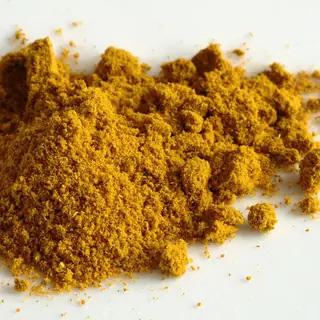
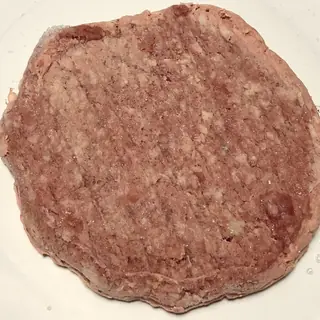

Photo credits for this page (2)
Ground beef: Famartin · CC BY-SA 4.0 · Wikimedia Commons


Around the world
What apricot is called
Spanish
albaricoque · damasco · alberge
French
abricot
Italian
albicocca
Portuguese
damasco
German
Aprikose
Dutch
abrikoos · abrikozen
Greek
Βερίκοκο
Turkish
kayısı
Russian
абрикос
Polish
morela
Arabic
مشمش · مشمشة
Persian
زردآلو
Show all 142 languages
Abkhazian
аҷарам
Afrikaans
appelkoos
Albanian
kajsi
Algerian Arabic
مشماش
Ancient Greek
πραικόκιον
Aragonese
alberje
Armenian
ծիրան
Asturian
albaricoque · albaricoca
Austrian German
Marille
Avaric
Ахбазан
Awadhi
खुबानी
Azerbaijani
ərik
Bangla
খুবানি
Bashkir
Өрөк (емеш)
Basque
abrikot · arbeletxeko,mertxika
Belarusian
абрыкос
Belarusian (Taraskievica orthography)
марэля
Bosnian
kajsija
Breton
abriko
Bulgarian
кайсия
Burmese
ဘင်္ဂလားဆီးသီး · အေပရီကော့
Cantonese
杏桃
Catalan
albercoc
Chechen
Туьрк
Cherokee
ᏓᎶᏂᎨ ᎠᏓᏛᏍᎩ
Cheyenne
Ová'kemene
Chinese
杏 · 杏桃
Cornish
brykethen
Corsican
Baracuccu
Crimean Tatar (Latin)
qaysı
Croatian
marelica
Czech
meruňka
Danish
abrikos
Egyptian Arabic
مشمش
eml
Mugljäga
Esperanto
abrikoto
Estonian
aprikoos
Faroese
aprikosa
Finnish
aprikoosi · armeniaca
Gagauz
zerdeli
Galician
Albaricoque
Georgian
გარგარი
Haitian Creole
zabriko · abiko
Hawaiian
Apricot
Hebrew
מִשְׁמֵשׁ
Hindi
खुबानी
Hungarian
sárgabarack
Icelandic
apríkósa
Ido
Abrikoto
Inari Sami
aprikoos
Indonesian
aprikot
Ingush
ГӀамгӀа (сом)
Interlingua
Albricoc
Irish
aibreog
Japanese
杏子 · アプリコット · アンズ · あんず
Kabyle
Afarmas
Kannada
ಜರ್ದಾಳು
Karachay-Balkar
шаптал
Kashmiri
ژیر
Kazakh
өрік
Korean
살구
Kurdish
qeysî · zerdelî
Kyrgyz
өрүк
Lao
ໝາກຄາຍ
Latin
Armeniacum · Prunum armenium · Malum armeniacum
Latvian
aprikoze
Ligurian
apricotta · armognìn · bricòcalo
Lithuanian
abrikosas
Lower Sorbian
Aprikoza
Macedonian
кајсија
Malagasy
aprikaoty
Malay
aprikot · buah aprikot
Malayalam
ആപ്രിക്കോട്ട്
Maltese
berquqa
Manipuri
ꯃꯥꯜꯍꯩ
Manx
apricoc
Marathi
जर्दाळू
Min Nan Chinese
Hēng
Mongolian
чангаанз
Navajo
dzidzétsoh díkʼǫ́ǫzhii
Neapolitan
Aprecocca
Northern Sami
aprikosa
Northern Sotho
apolêkôsê
Norwegian Bokmål
aprikos
Norwegian Nynorsk
aprikos
Novial
abrikote
Occitan
Albricòt
Odia
ଆପ୍ରୀକଟ
Ossetic
чъерами · къерами · абрикос
Papiamento
aprikòt
Pashto
خوبانۍ · مندته · خرماڼۍ · خورماڼۍ
Pennsylvania German
Abrigos
Piedmontese
Armognan
Pontic
ζερταλίδιν
Punjabi
ਖ਼ੁਰਮਾਨੀ
Romanian
caisă
Romansh
apricosa
Sassarese Sardinian
barracoc
Scottish Gaelic
apragod
Serbian
кајсија
Serbian (Latin)
кајсија
Sicilian
barcocu · pricopa · pircocu · varcocu
Simplified Chinese (China)
杏
Sindhi
زردالو
Skolt Sami
aprikoos
Slovak
marhuľa
Slovenian
marelica
Somali
safiican
Southern Sotho
apolokose
Swahili
Aprikoti
Swedish
aprikos
Tajik
зардолу
Tamil
சர்க்கரை பாதாமி
Tatar
өрек · абрикос
Tatar (Cyrillic)
өрек
Telugu
జల్దారు పండు · ఏప్రికాటు, కుబాని
Thai
เอพริคอต
Tunisian Arabic (Arabic)
كعبة مشماش
Tunisian Arabic (Latin)
mech'mèch'
Turkmen
erik
Ukrainian
абрикос
Upper Sorbian
Aprikoza
Urdu
خوبانی
Venetian
armełin
Vietnamese
mơ tây
Volapük
brikod
Võro
Aprikuus
Walloon
åbricot
Waray
Prunus armeniaca
Welsh
bricyllen · bricyll
Western Frisian
abrikoas
Western Panjabi
خرمانی
Yiddish
אַפּריקאָס
Yoruba
Apricot
Zulu
UmNozane
Sources and credits
Data
- GlobeCooks editorial: descriptions, kitchen notes and classification, written by GlobeCooks from checked sources
- USDA FoodData Central (Foundation, SR Legacy): nutrition values (Public domain (US government work, CC0))
- Wikidata: names, classification and dishes (CC0 1.0)
- Wikimedia Commons: photos
- Wikipedia (English) (CC BY-SA 4.0)
Wikidata item: Q3733836
Photos
Photo: MatthiasKabel · CC BY-SA 3.0 · Wikimedia Commons